
Café Bustelo rewards careful brewing because its dark roast and fine grind turn bitter fast when you get sloppy. If you’re learning how to make Cafe Bustelo, start with fresh cold water and the recommended amount of coffee. Use a stovetop espresso maker, also known as a moka pot, for the boldest espresso-style cup. A drip coffee maker gives you an easier, smoother everyday brew.
Last updated: 2026-08-25
What is the best way to brew Café Bustelo?
A moka pot is the best way to make Café Bustelo if you want the punchy, concentrated flavor it’s known for. The pot handles the fine espresso grind well and makes a rich cup that stands up to milk and sugar. Keep the heat gentle, though. High heat gives you scorched coffee and a sputtering stove.
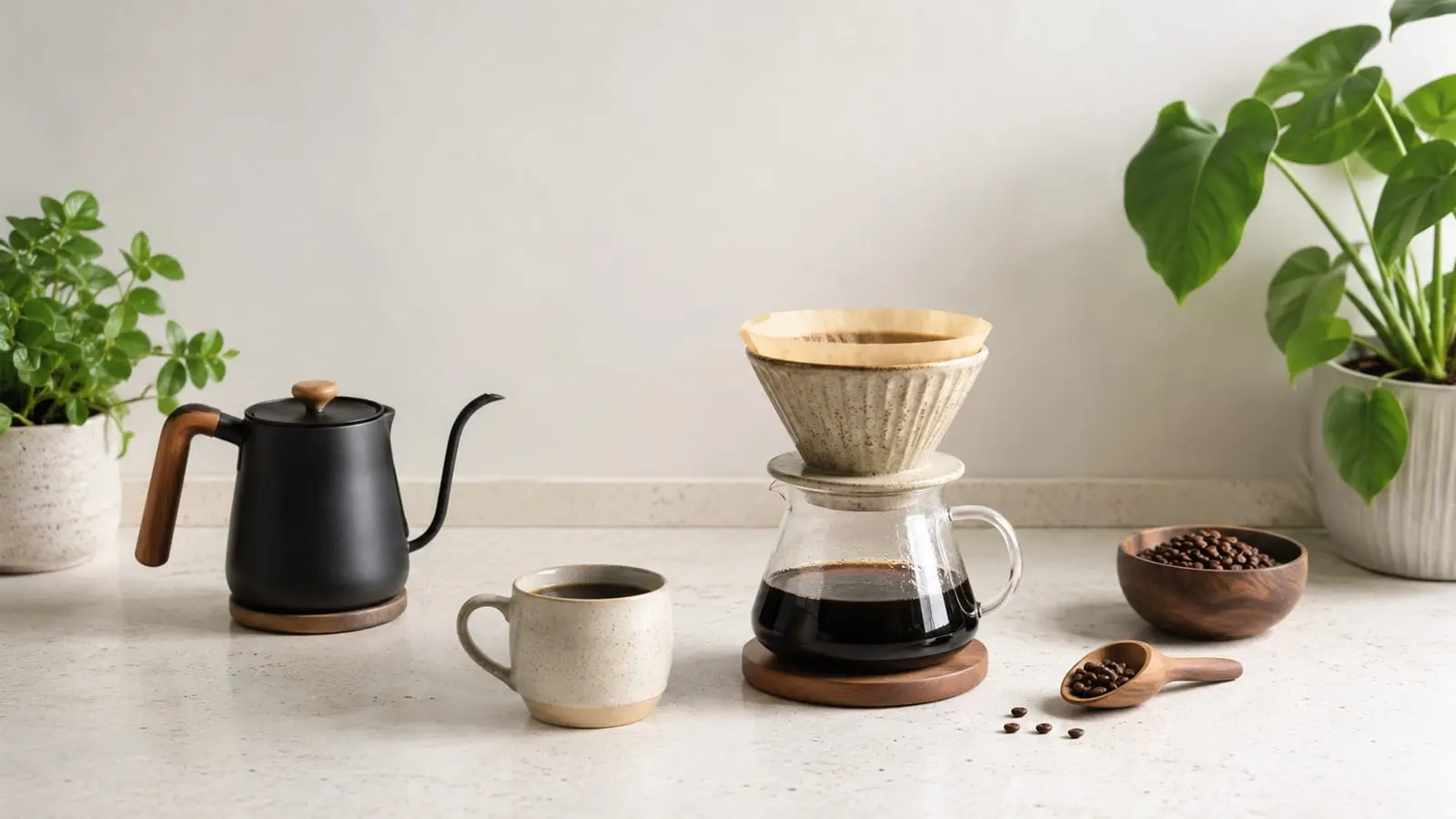
A drip machine works better for a larger, cleaner cup. Meanwhile, a French press can work, but the standard fine grind leaves more sediment and may turn bitter during a long steep.
| Brewing method | What the coffee tastes like | Best for | Main problem |
|---|---|---|---|
| Moka pot | Concentrated, bold, bittersweet | Espresso-style coffee and milk drinks | Scorches under high heat |
| Drip coffee maker | Balanced and less intense | Easy everyday brewing | Fine grounds can slow the filter |
| French press | Heavy and full-bodied | People who like a thick cup | More grit and faster extraction |
| Espresso machine | Short, intense, and syrupy when the grind fits | Concentrated shots | Preground coffee gives you little control |
If you have a medium-ground version, save it for the French press or drip machine. Use espresso-ground coffee in the moka pot or a compatible espresso basket.
What Café Bustelo coffee-to-water ratio works best?
Start with a consistent amount of Café Bustelo and water. Weigh both if you can. A scale removes the guesswork caused by heaped spoons, packed grounds, and coffee cups that aren’t standard sizes.
Without a scale, use the same spoon and cup each morning. Measure level spoonfuls rather than mounds, then keep the amounts consistent while you taste and adjust. Random scooping is why one pot tastes thin and the next one bites back.
Café Bustelo Café con Leche uses a much tighter recipe: 1 ¼ cups water per 1/3 cup Espresso Ground Coffee. That brew is intentionally concentrated because milk softens it. Don’t use that heavy dose for a plain everyday mug unless you enjoy a thick, forceful cup.
The starting ratio gives you a balanced cup. Add a little more coffee for extra strength, or dilute the finished brew with hot water for a smoother drink.
How do you make Cafe Bustelo coffee?
The basic Café Bustelo instructions stay simple across every brewer. Measure carefully, keep the equipment clean, and stop the brew before the fine grounds overextract. Overextraction means the water has pulled too much from the coffee, leaving it harsh and bitter.
- Start with fresh cold water. Filtered water helps if your tap water tastes strongly of chlorine or minerals.
- Measure the coffee and water. Use the starting ratio by weight rather than guessing with a scoop.
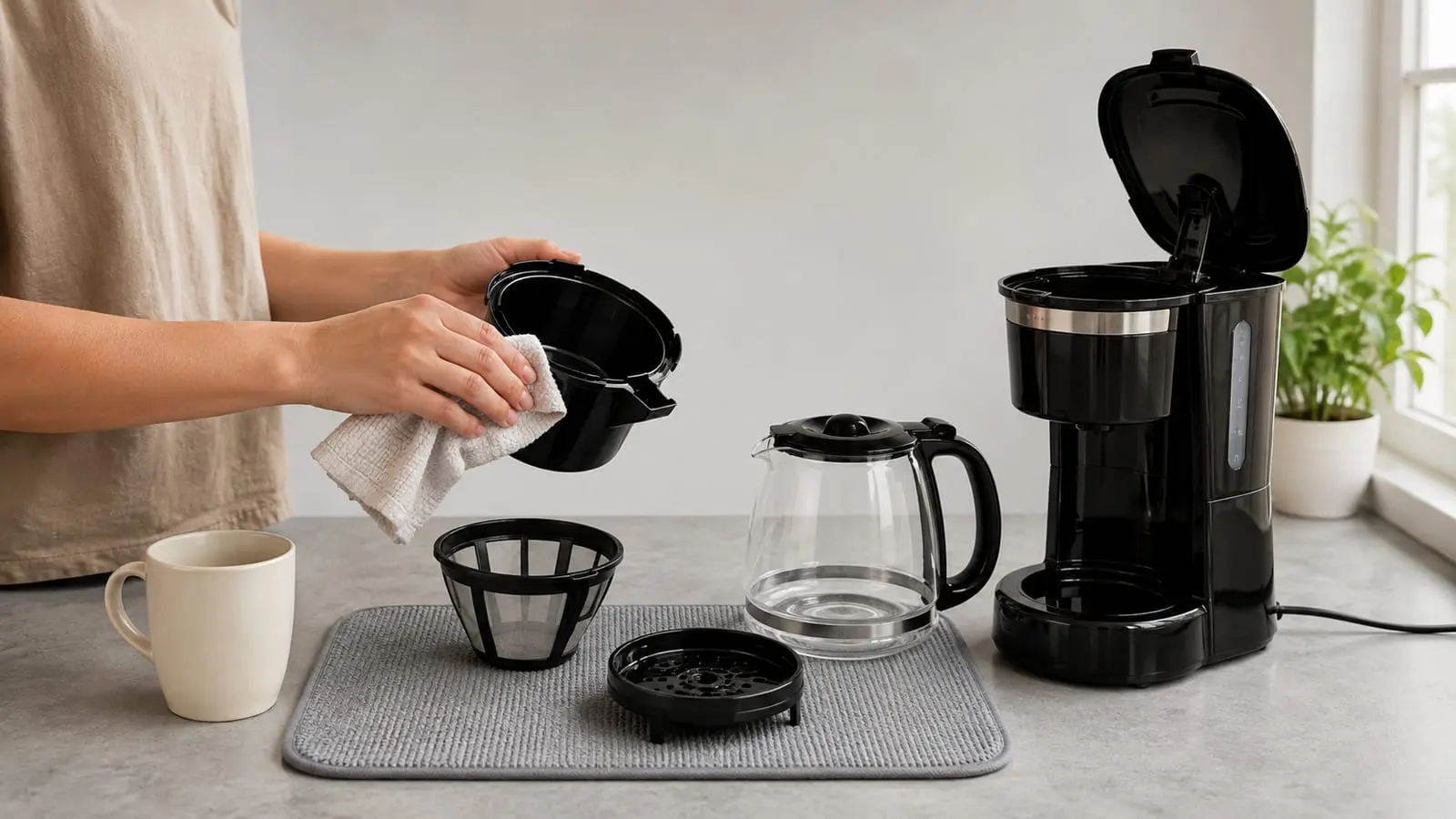
- Prepare the brewer. Rinse away old oils, residue, and loose grounds.
- Brew with controlled heat and timing. Fine coffee extracts quickly, so don’t leave it cooking.
- Taste it before adding anything. Decide whether it’s bitter, thin, balanced, or too intense.
- Adjust one variable for the next batch. Change the dose, heat, or brew time, then taste again.
That’s how to make Cafe Bustelo without turning breakfast into a chemistry project. Measure, brew, taste, and correct the part that missed.
For more help with the fundamentals, see this beginner’s guide to coffee brewing.
How do you brew it in a drip coffee maker?

A drip machine makes the easiest everyday pot. However, Café Bustelo’s fine grind creates more resistance than ordinary drip grounds. An overloaded basket may drain slowly, spill grounds into the carafe, or produce a bitter brew.
- Place a paper filter in the basket. Paper catches much of the fine sediment and gives you a cleaner cup.
- Add the measured coffee. Spread it evenly, but don’t press or pack it down.
- Fill the reservoir with fresh cold water. Use the starting ratio and stay within the machine’s capacity.
- Run a normal brew cycle. Keep the carafe and basket in place until dripping has nearly stopped.
- Give the finished coffee a stir. The first liquid is stronger than the last, so stirring evens out the pot.
- Serve it promptly. A hot plate slowly cooks the coffee and makes a dark roast taste stale and bitter.
If the filter nearly overflows, use less coffee per batch or brew a smaller pot. Don’t stack paper filters. That slows drainage further and fixes nothing.
If the pot still tastes rough, check these common coffee brewing mistakes before buying another machine.
How do you brew it in a moka pot?
The moka pot gives Café Bustelo its best balance of concentration, body, and effort. You get espresso-style intensity without wrestling with an espresso machine. Heat control is the whole job.
- Fill the lower chamber with fresh water. Keep the water below the safety valve.
- Set the filter basket in place. Make sure its underside is dry and clear of old grounds.
- Fill the basket with Café Bustelo. Level the coffee gently without tamping it.
- Screw the pot together firmly. Wipe loose grounds from the rim first so the seal closes properly.
- Set the moka pot over gentle heat. Leave the lid open if you want to watch the coffee emerge.
- Remove the pot when the flow turns pale and starts to sputter. Don’t wait for a violent gurgle.
- Cool the lower chamber briefly. This stops the remaining heat from cooking the coffee.
- Stir the coffee in the upper chamber. Then pour it straight or soften it with hot water or milk.
Tamping is the common wrong turn. A moka pot doesn’t need a compressed puck, and packing the basket can block the flow. Level grounds are enough.
How do you use Café Bustelo in a French press?
A French press is the weakest match for fine espresso-ground Bustelo, but it’s workable if that’s the brewer you own. Expect a heavier cup with some grit. A metal filter can’t catch powdery grounds the way paper can.
Use a medium-ground Café Bustelo product if you can find one. Otherwise, reduce the contact time if the coffee turns harsh.
- Warm the press with hot water, then empty it.
- Add measured coffee to the empty press.
- Pour in hot water and wet all the grounds.
- Give it a gentle stir. Fine coffee tends to clump.
- Fit the lid without plunging. Follow the press maker’s normal steep guidance, but taste sooner if the coffee often turns bitter.
- Press slowly and evenly. Forcing the plunger stirs up more sediment.
- Pour all the coffee out. Leaving it on the grounds keeps extraction going.
If the plunger fights you, pull it up slightly and try again. Don’t lean harder on it. That usually means fine grounds have clogged the filter.
Can Café Bustelo espresso-ground coffee make espresso?
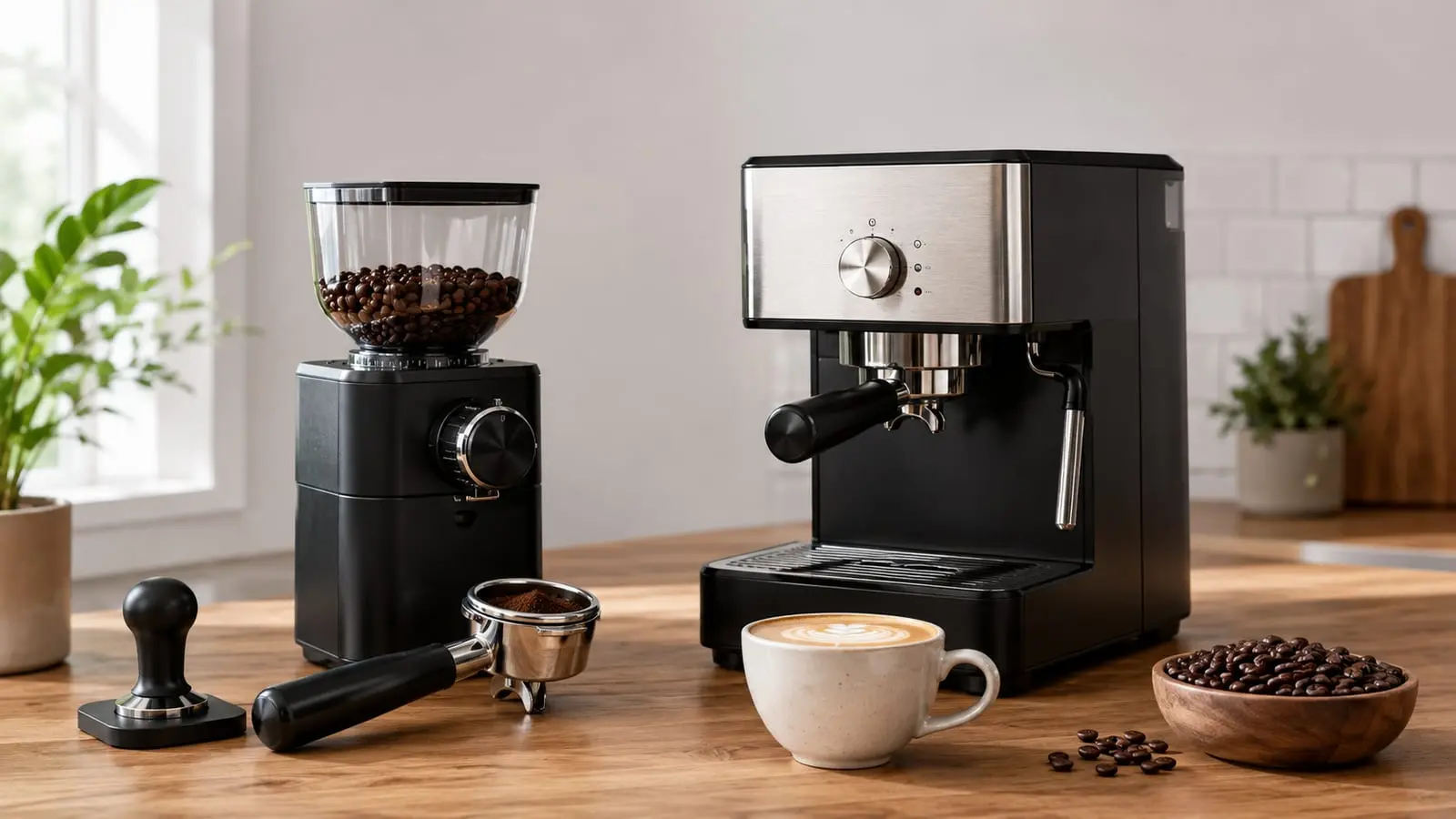
Café Bustelo espresso-ground coffee can make concentrated espresso-style coffee in a moka pot. In an espresso machine, the result depends on whether the fixed grind matches your basket and machine. The word “espresso” on the package describes the grind and intended style, but it doesn’t guarantee a well-dialed shot.
Start with the dose recommended for your machine’s basket. Level the coffee, tamp evenly if the machine requires it, and watch the flow. A slow drip suggests the grounds are restricting the water, while a fast, pale stream suggests weak extraction.
Preground coffee limits your control because you can’t change the grind. You can adjust the dose modestly, but large changes may create uneven flow. If the machine repeatedly chokes, use the Bustelo in a moka pot instead.
A standard drip brewer and French press make brewed coffee, even when the package says espresso ground. Pressure and brewing method determine espresso-style concentration.
How should you adjust the strength and water ratio?
Change the coffee dose first when the cup lacks strength. That keeps the brewing method consistent and shows you whether the ratio was the problem. If the flavor is good but too intense, add hot water to the finished cup.
Use the taste as your guide:
- Thin or watery: Add more coffee on the next brew.
- Sharp or sour: Improve contact between the water and coffee, or let the brew run a little longer.
- Heavy and bitter: Use less coffee, shorten contact time, or lower the heat.
- Burnt or smoky: Remove the moka pot sooner or take drip coffee off the hot plate.
- Muddy: Use a paper filter or switch from fine grounds to a medium grind.
- Strong but pleasant: Add a splash of hot water or milk instead of changing the brew.
Don’t change the coffee dose, water, and heat together. You’ll get a different cup, but you won’t know which adjustment helped.
Why does Café Bustelo taste different from other coffee?
Café Bustelo combines a dark roast with a fine espresso-style grind. The roast brings smoky, bittersweet flavors and a heavy body. Meanwhile, the fine grind exposes more coffee to the water, so extraction happens quickly.
That combination makes Bustelo taste strong even when the actual ratio is reasonable. It also leaves little room for lazy heat control. Let a moka pot sputter too long or a French press sit on the grounds, and the bright edge disappears under bitterness.
Milk and sugar suit this coffee because they round off the roast without erasing it. However, you shouldn’t need them to hide a scorched brew. Fix the brewing first.
If water temperature keeps causing trouble, this guide to water temperature for coffee explains why hotter isn’t always better.
How can you make Café Bustelo taste better without expensive gear?

Clean equipment makes a larger difference than another gadget. Old coffee oil coats baskets, moka pot seals, press filters, and carafes. That residue tastes stale, even when the coffee is fresh.
Good water matters too. If you dislike the taste of your tap water on its own, it won’t improve after passing through coffee grounds. Use fresh filtered water and avoid water that has been sitting in the machine’s reservoir.
Also, close the package tightly and store it away from heat, moisture, and direct light. Don’t leave the can beside the stove. Fine-ground coffee loses aroma quickly once exposed to air.
Finally, measure each batch and write down the change if you’re trying to dial it in. Better Café Bustelo comes from repeatable brewing and honest tasting. Fancy gear can wait.
FAQ
Can you make iced coffee with Café Bustelo?
Yes. Brew it stronger than you would for a plain hot cup, then pour it over plenty of ice. Because melting ice dilutes the coffee, a normal-strength brew can taste washed out.
For a smoother drink, let the coffee cool briefly before pouring. Add milk or sweetener after brewing so you can judge the coffee’s strength first.
Is instant Café Bustelo brewed the same way as espresso-ground Café Bustelo?
No. Instant coffee dissolves directly in hot water, while espresso-ground coffee must pass through a brewer and filter. Follow the package directions for the instant version because moka pot and drip instructions don’t apply.
Can you use decaf Café Bustelo in the same brewers?
Yes, as long as the grind suits the brewer. Use espresso-ground decaf in a moka pot or compatible machine, and use a medium grind for a French press when available. Then taste and adjust because decaf may have a softer finish.
Should you add sugar before or after brewing?
Add sugar after brewing in a drip machine or French press. Putting sugar in the grounds can leave sticky residue and interfere with normal water flow.
For a milk drink, dissolve the sugar in the hot brewed coffee before adding milk. It mixes faster and won’t settle at the bottom.
Can you reuse Café Bustelo grounds?
Skip it. The first brew has already removed most of the useful flavor, so reused grounds make a thin, woody cup. Fresh grounds are the cheaper fix than trying to rescue exhausted coffee.