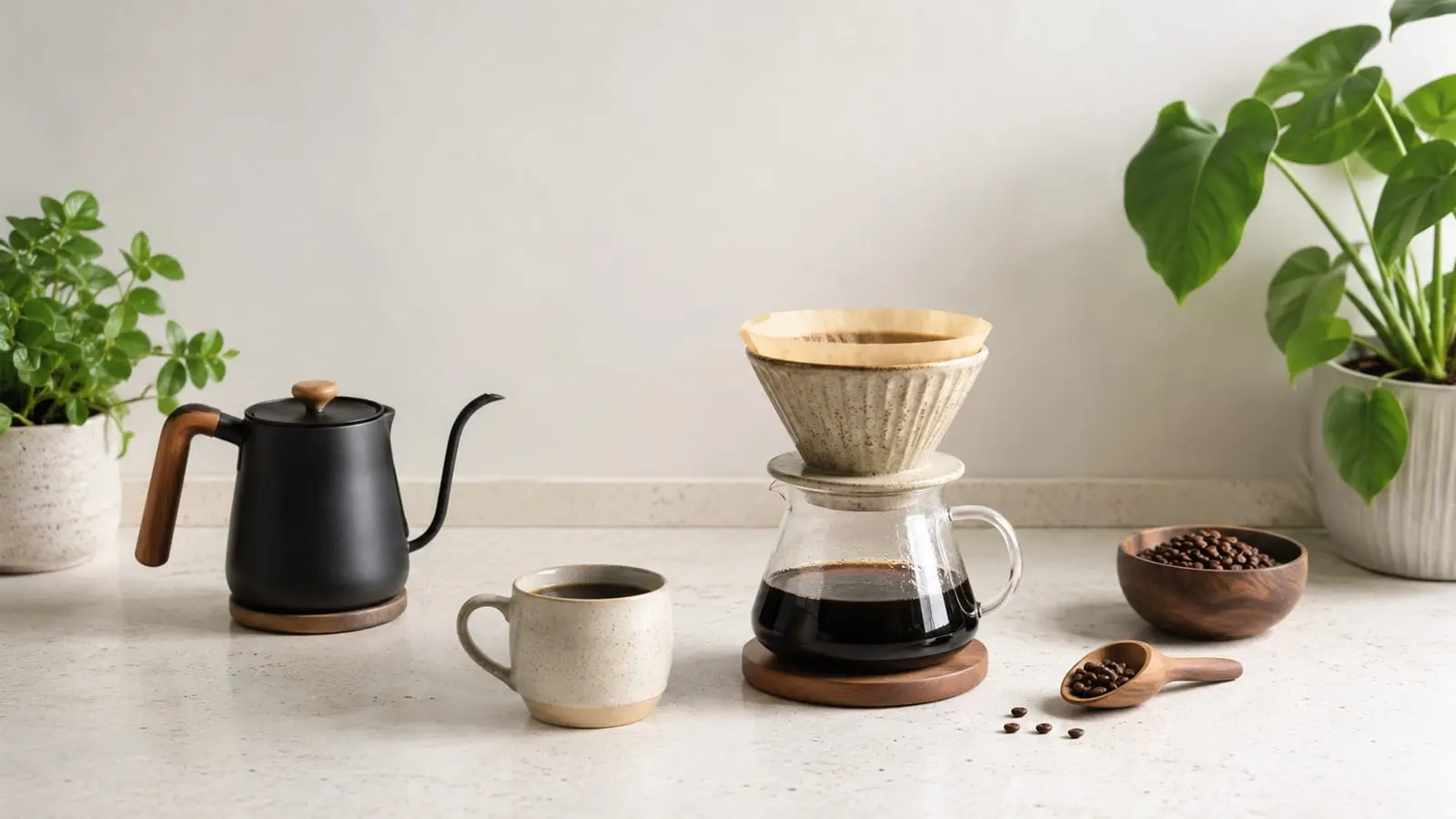

The best way to discover unique coffee varietals is to taste clearly labeled coffees side by side. Try SL28, Gesha, Bourbon, Pacamara, and Catimor. Keep your brewing ratio steady while you taste and adjust. However, the rarest name on the bag isn’t automatically the best cup. Notice what genetics, place, processing, and roast do to flavor.
Last updated: 2026-08-27
A bright SL28 can taste like berry, citrus, and black tea. Gesha may bring jasmine and tropical fruit. Bourbon usually gives you sweetness and red-fruit balance. Buy small amounts, grind fresh, and write down what you taste. That’s how you learn the bean instead of collecting impressive labels.
What makes a coffee varietal unique
A coffee varietal is a genetically distinct type of coffee plant. The word describes the plant’s inherited traits, much like apple varieties describe different kinds of apples.
Genetics can influence the plant’s size, yield, disease resistance, ripening pattern, and ability to handle weather. They also affect the raw material that becomes your coffee. Acidity, sweetness, aroma, body, and texture can all shift with the plant’s genetics.
Still, a varietal doesn’t dictate one fixed flavor. A Bourbon grown in one place can taste like caramel and red fruit. Another Bourbon may lean toward cocoa, citrus, or dried fruit after a different harvest and process.
That’s why the name matters, but it isn’t enough. A varietal label gives you a useful starting point. The farm, harvest, roast, and brewing choices finish the sentence.
Unique coffee beans start with species and varietals
Species and varietal are different levels of the same story.
Arabica is the species behind most specialty coffee. It often brings more aromatic detail, floral notes, fruit, and lively acidity. Robusta is a different species with more caffeine, heavier body, stronger bitterness, and greater resilience in difficult growing conditions.
You’ll find named varietals within these species. SL28, Gesha, Bourbon, Typica, and Caturra are Arabica varietals. Catimor is a group of hybrids that combines Arabica lineage with traits selected for resilience.
The distinction matters when you shop. “Arabica” tells you the species. “Bourbon” or “SL28” tells you more about the plant’s genetic type. Neither label guarantees a delicious cup, but the varietal name gives you more information than a bag that says only “premium coffee.”
You can read more about hybrid coffee varieties if you want to understand why farmers choose resilience alongside flavor.
Terroir turns genetic potential into cup character
Terroir means the growing conditions that shape a coffee. Altitude, climate, soil, rainfall, shade, and farm decisions all play a part.
Cooler conditions can slow cherry development and help build dense, concentrated flavors. Sun, rain, soil nutrients, and farming methods affect how the plant grows and ripens. Harvest timing matters too. Unripe and overripe cherries don’t give you the same sweetness.
Processing then changes the fruit into green coffee. A careful farm can make a varietal’s acidity and sweetness clear. Poor sorting or uneven drying can cover those traits with ferment, harshness, or flatness.
The same varietal can taste different across origins because the plant is only part of the cup. Genetics set the range. Place and production decide where the coffee lands inside it.
Major coffee varietals worth tasting

These names give you a useful map. Some are famous for cup quality. Others matter because they show how farmers balance flavor, yield, and survival.
| Varietal | What you may taste | Why it’s worth trying |
|---|---|---|
| Bourbon | Caramel, brown sugar, red fruit | A sweet and approachable starting point |
| Typica | Clean sweetness, gentle acidity, delicate aroma | A classic Arabica type with a refined profile |
| Caturra | Bright acidity, citrus, clean sweetness | A compact Bourbon mutation with lively cups |
| Catuai | Nutty sweetness, cocoa, pastry notes | Easy drinking and useful for comparing structure |
| SL28 | Berry, citrus, floral tones, tea-like finish | The pick for vivid acidity and lift |
| Gesha | Jasmine, tropical fruit, clear sweetness | A dramatic cup when the farming and roasting are good |
| Pacamara | Tropical fruit, spice, fuller texture | Big, expressive, and hard to mistake for ordinary coffee |
| Catimor | Bold fruit, cocoa, spice, or earthy tones | Shows how resilience and processing can shape the final cup |
Typica is a good choice if you want a quieter, cleaner cup. Caturra and Catuai suit drinkers who want brightness without a wild flavor profile.
Pacamara was released in El Salvador in the late 1980s. Choose it when you want a large, expressive cup with tropical fruit, spice, and more weight on the tongue.
Catimor deserves a fair chance. It’s often dismissed because some examples taste rough or earthy. That judgment is lazy. Growing conditions and processing matter heavily here, and a well-produced Catimor can be bold, sweet, and memorable.
Named picks for a memorable varietal tasting
You don’t need to buy every varietal at once. Start with a small group and compare how each one handles sweetness, acidity, aroma, and texture.
SL28
Choose SL28 for vivid acidity, berry-like fruit, and a tea-like finish. It’s the best starting point if you want coffee that tastes bright rather than dark and heavy.
A good SL28 can show citrus, florals, wine-like acidity, and a sweet finish. It can also taste sharp if the coffee is underdeveloped or poorly brewed. Use fresh beans and adjust carefully.
Gesha
Choose Gesha for jasmine, tropical fruit, and exceptional clarity. It suits drinkers who enjoy delicate aromas and a cup that changes as it cools.
Ignore the prestige and judge the coffee. Gesha can be expensive because demand is high, but the name doesn’t rescue a stale roast or careless processing. A well-grown, well-roasted Gesha is special. A famous name on a tired bag is just expensive disappointment.
Bourbon
Choose Bourbon as your gateway to varietal tasting. Its caramel sweetness, red-fruit notes, and balanced acidity make the differences easier to notice.
Bourbon is also useful because it doesn’t demand a dramatic palate. You can drink it black, add a splash of milk, or use it for a balanced pour-over. Start here if bright coffees usually taste too sharp.
Pacamara
Choose Pacamara for a broad, expressive cup with tropical fruit, spice, and a heavier texture. It’s a strong pick when you want something unusual without losing body.
Pacamara can be uneven from farm to farm. That’s part of the trade-off. Buy it from a producer who names the origin, process, and varietal clearly.
Catimor
Choose Catimor when you want a practical coffee with bold flavor and a story beyond luxury marketing. Its cup can bring cocoa, fruit, spice, or earthy notes, depending on where and how it was grown.
This is the varietal to taste with an open mind. Catimor’s value often sits in its resilience and farm performance, while the final cup depends strongly on terroir and processing. If you only chase famous names, you’ll miss some good coffee.
SL28 flavor characteristics stand out for brightness
SL28 is known for brightness. Common tasting notes include berry, citrus, floral aroma, wine-like acidity, and a tea-like finish.
The texture can feel light and silky rather than thick. The sweetness may remind you of ripe fruit or black tea with honey. When the coffee cools, the acidity often becomes easier to separate from the sweetness.
However, SL28 isn’t a flavor guarantee. Farm conditions, harvest quality, processing, roast development, and brewing all matter. A dark roast can bury the floral and fruit notes. A poor brew can make the acidity taste thin and sour.
Start with a medium-light roast and a steady recipe. If the cup tastes sharp, grind a little finer or give it more contact time. If it tastes dull or bitter, back off a click and taste again.
How does processing change varietal flavor?
Processing removes the fruit from the coffee seed and prepares it for drying. The method can make a varietal’s genetics clearer, louder, softer, or harder to recognize.
| Process | Typical cup effect | Best reason to try it |
|---|---|---|
| Washed | Clean, bright, precise | Shows acidity and origin character clearly |
| Natural | Fruit-forward, sweet, heavier | Amplifies ripe fruit and fermented notes |
| Honey | Sweet, rounded, textured | Sits between clean and fruit-heavy |
| Experimental | Unusual, intense, layered | Useful for exploring fermentation effects |
Washed coffee is the cleanest place to start. It often lets you taste the varietal without as much fruit character covering the cup.
Natural coffee can be thrilling, but it can also overwhelm the plant’s profile. A fruity natural Gesha may taste more like fermented tropical fruit than jasmine. That doesn’t make it bad. It means the process is speaking loudly.
Honey processing often brings a rounder texture and more sweetness. Experimental processing can add intense fruit, spice, or boozy notes. Try those coffees after you’ve tasted a washed example from the same varietal, or you won’t know what changed.
Heirloom coffee means genetic diversity, not one bean
“Heirloom coffee” is a loose trade term, especially for Ethiopian coffee. It usually points to traditional, locally adapted Arabica populations rather than one named varietal with a clean family tree.
Ethiopian heirloom coffee can include many different plants growing within the same area. Some are known by local names. Others remain identified only by their village, forest, or collection area. That genetic variety helps explain why a single Ethiopian coffee can show jasmine, citrus, stone fruit, herbs, and tea-like sweetness.
Heirloom coffee genetics are part of the appeal, but the label can hide useful details. A bag that says only “Ethiopian heirloom” tells you less than one that names the region, washing station, process, and producer.
That doesn’t make the coffee ordinary. It means you should read the whole label. For more regional context, see this guide to regional coffee flavor profiles.
“Heirloom variety coffee,” “heirloom varietal coffee,” and “heirloom Arabica” often describe the same broad idea. They don’t necessarily identify one exact plant. Readers searching for heirloom coffee are usually looking for traditional, locally adapted genetics, not a single standardized bean.
A practical tasting method without expensive gear

You can discover unique coffee varietals with a grinder, a scale, a brewer, and good water. Expensive gear won’t help if you change the recipe every morning.
Use this method:
- Choose fresh beans with the varietal, origin, process, roast date, and producer listed.
- Brew the coffees with the same coffee-to-water ratio.
- Use the same grind setting and water temperature for each one.
- Taste each coffee while it’s hot, warm, and closer to room temperature.
- Write down sweetness, acidity, body, aroma, finish, and any flavors that stand out.
- Change one variable only after you’ve tasted both cups.
Fresh-ground coffee gives you a clearer comparison. Stale ground coffee flattens aroma and makes bright varietals seem less lively.
Taste side by side whenever possible. For example, a Gesha may seem floral on its own. Next to Bourbon, its jasmine and tropical fruit become easier to spot. SL28 may seem simply acidic until you compare its berry sweetness and tea-like finish with a heavier Pacamara.
Use a kitchen scale if you have one. Consistent ratios make your adjustments useful. If the cup tastes thin and sour, use more coffee or extract it slightly more. If it tastes heavy and bitter, use more water or a coarser grind.
How to choose and brew unique coffee beans

Read the bag in this order:
- Species: Look for Arabica, Robusta, or a blend.
- Varietal: Check for SL28, Gesha, Bourbon, Pacamara, Catimor, or a local heirloom description.
- Origin: Note the country and growing region.
- Processing: Washed, natural, honey, or experimental.
- Roast date: Fresher beans usually give you clearer aroma and sweetness.
- Producer information: Farm, cooperative, washing station, or producer group details add useful context.
Start with a balanced ratio and a medium grind suited to your brewer. Then taste and adjust. Finer grind usually increases extraction and body, but it can push a bright coffee toward bitterness. Coarser grind can soften a harsh cup, though it may leave a weak coffee thin.
Water matters more than many gear upgrades. Use clean, pleasant-tasting water that’s just off the boil. Give the grounds a proper bloom, then pour steadily. A rushed pour creates uneven extraction, and uneven extraction makes a distinctive bean taste confused.
If you want more ideas beyond the usual supermarket shelf, browse these extraordinary coffee origins. Choose coffees with enough information on the label to compare them later.
Who should skip rare varietals
Skip premium varietals if you don’t enjoy black coffee or bright acidity. A rare bean won’t become chocolatey and heavy just because the bag looks impressive.
Also skip the biggest names if the seller can’t tell you the process or roast date. Traceability helps you understand the cup. Without it, you’re buying a story and hoping the coffee fills in the blanks.
Start with Bourbon or a clean Ethiopian heirloom if you want approachable sweetness. Choose SL28 or Gesha for floral, fruit-driven cups. Pick Pacamara for body and spice. Try Catimor when you want to see how farming priorities shape flavor.
The best varietal is the one you want to brew again. That’s the only ranking that survives the second cup.
Discover unique coffee varietals to savor with a simple plan
Choose coffees with different genetics and similar roast levels. Brew them with the same water and ratio, then taste them together. This gives you a clean comparison without turning breakfast into a laboratory.
A good first flight includes Bourbon for balance, SL28 for brightness, and Pacamara for body. Add Gesha when you want floral clarity, or Catimor when you want a less predictable, more practical cup.
Keep your notes plain. “Bright like lemon, sweet like red fruit, light like tea” tells you more than a long list of tasting-note theater.
FAQ
Is an heirloom coffee varietal the same as a named varietal?
No. A named varietal usually refers to a more defined genetic type, such as Bourbon or SL28. Heirloom coffee often describes a diverse group of traditional local Arabica plants.
Which varietal is easiest for a beginner?
Bourbon is the safest starting point. Its sweetness and balanced acidity are easier to enjoy than an intensely floral Gesha or sharply bright SL28.
Can processing hide a coffee varietal’s natural flavor?
Yes. Natural and experimental processes can add strong fruit or fermentation notes. Washed coffee usually gives you the clearest view of the varietal and growing region.
Should you buy whole bean or ground coffee?
Buy whole bean when you can and grind just before brewing. Ground coffee loses aroma quickly, which makes subtle varietal differences harder to taste.
Do rare coffee varietals always taste better?
No. Rarity and cup quality are separate things. Freshness, harvest quality, processing, roasting, and brewing can matter more than a famous name.