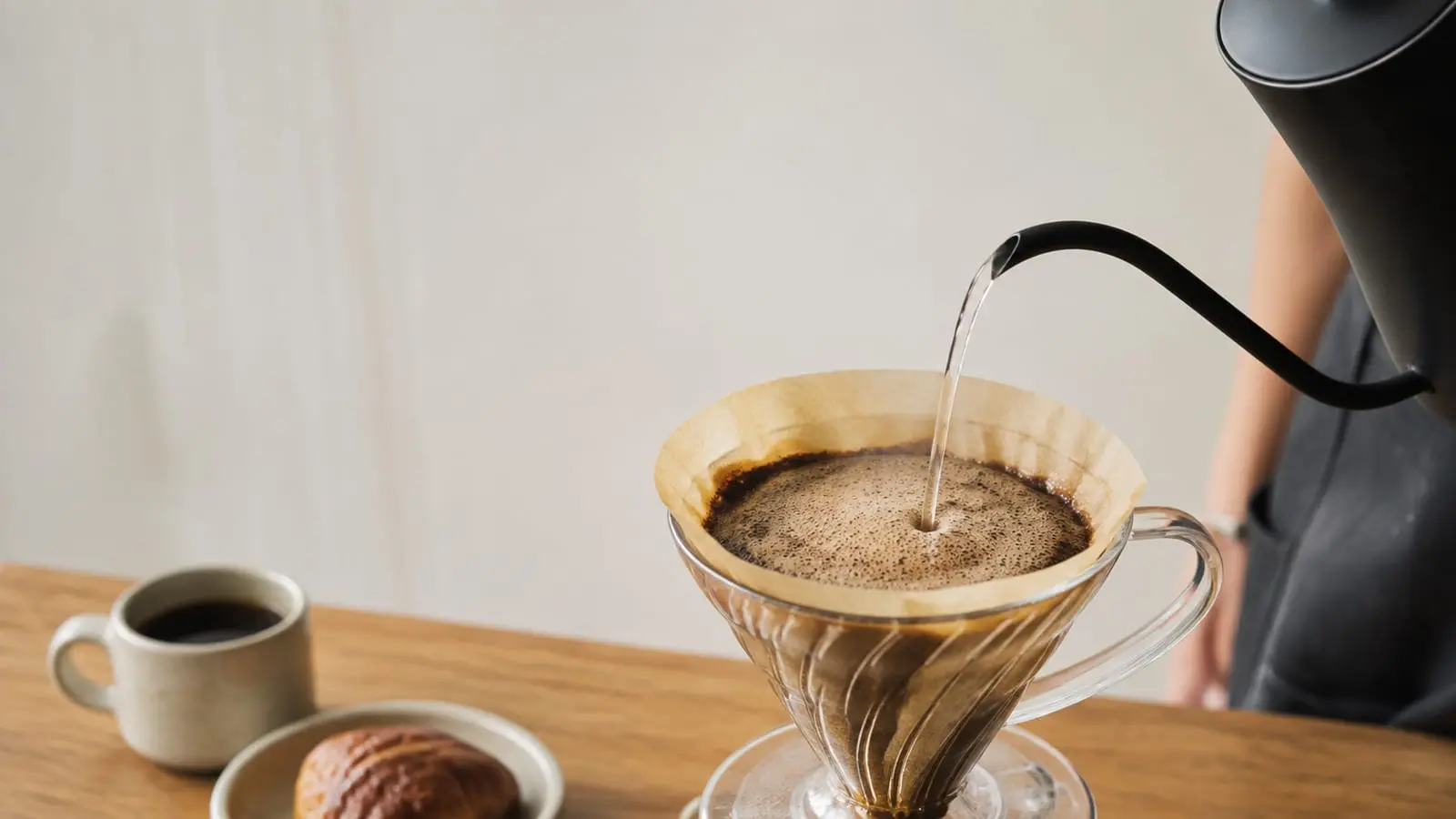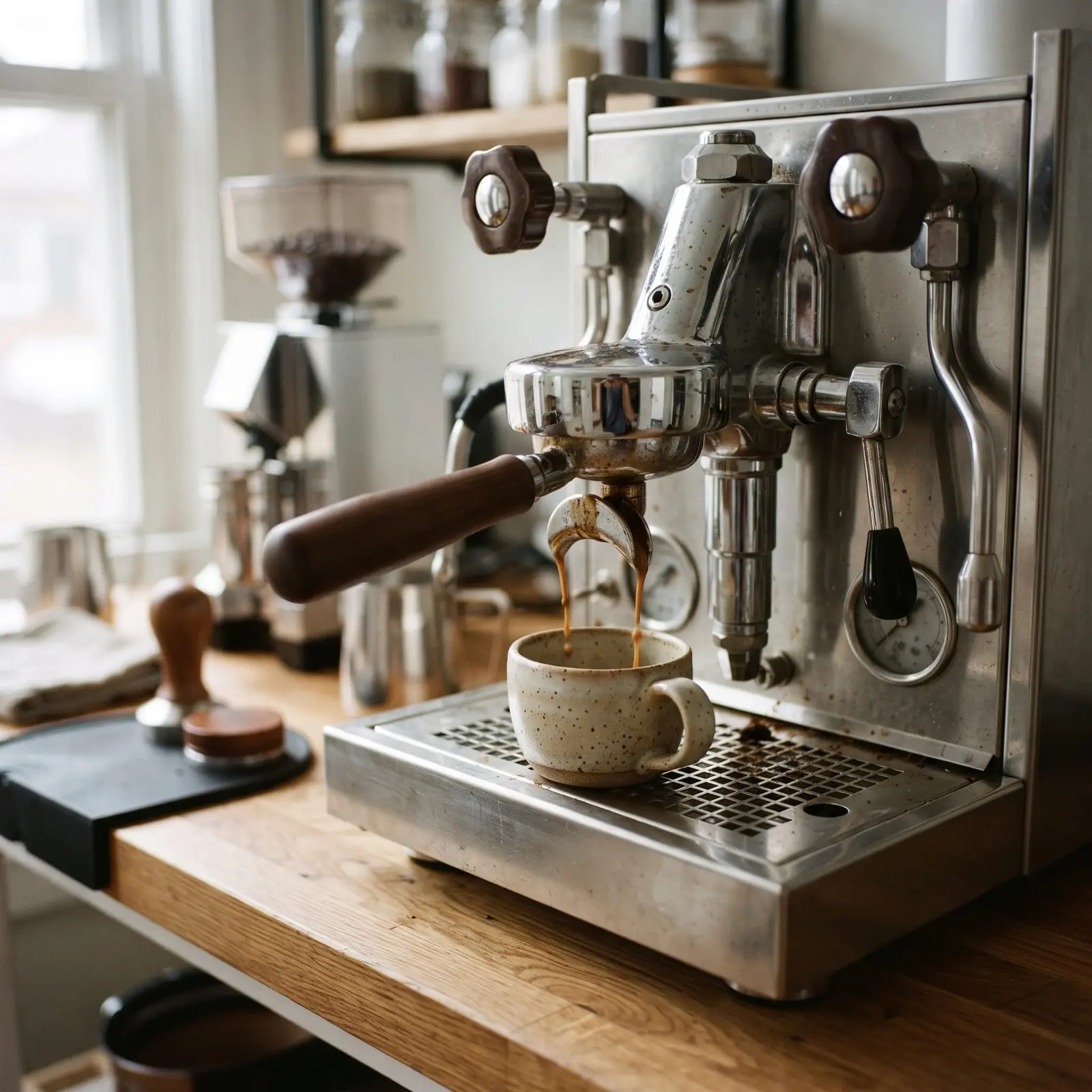

Start with a moka pot and freshly ground espresso-roast coffee. That’s the closest way to make espresso without a machine because the moka pot brews under pressure and gives you a small, concentrated, full-bodied coffee. A French press works when that’s all you have, but it makes strong coffee rather than true espresso. Use either brew for milk drinks, iced coffee, and americanos, then taste and adjust instead of chasing fake crema.
What to expect from machine-free espresso
True espresso needs high pressure forced through finely ground coffee. A moka pot creates pressure on the stovetop, but it doesn’t match an espresso machine. The result is concentrated, rich, and useful, though it won’t have the same thick crema or syrupy texture.
A French press uses steeping instead of pressure. It can make bold coffee, but the cup is looser and less concentrated. That makes it the best fallback with ordinary kitchen gear, not the best match for espresso.
Here’s the honest ranking:
| Method | What it makes | Best use |
|---|---|---|
| Moka pot | Concentrated, pressure-brewed coffee with rich body | Lattes, cappuccinos, americanos |
| French press | Strong, flexible coffee with fuller sediment and less concentration | Milk drinks, iced coffee, emergency espresso-style cups |
You’ll get the best results by treating both methods as espresso alternatives. Don’t serve them to an espresso purist and expect applause. Serve them in a cappuccino, and nobody will complain.
Choose a moka pot for the closest espresso alternative
The moka pot is the best no-machine choice. Water heats in the lower chamber, pressure pushes it through the coffee basket, and the brewed coffee collects in the upper chamber. That pressure gives you more body and punch than a French press can manage.
You need:
- A moka pot
- Fresh coffee beans
- A burr grinder if you have one
- Filtered water
- A kitchen scale, if available
- A spoon for leveling the coffee
- A mug or small heatproof glass
The moka pot was created by Alfonso Bialetti, and the Moka Express debuted in 1933. The design has barely needed a personality makeover since. It works because the method is simple, not because the pot is pretending to be a modern espresso machine.
Choose a pot that makes the amount you’ll drink. Moka pots don’t brew well when you half-fill the basket or try to stretch one batch across several people. Brew its full basket, then dilute the coffee with hot water or milk if you need a longer drink.
Use the correct coffee, grind, and ratio
Use fresh espresso-roast beans if you want the deepest, most familiar espresso-style flavor. Medium-dark coffee brings chocolate, caramel, and toasted notes. A lighter roast can work, but its bright acidity becomes sharper in a moka pot.
Grind the beans immediately before brewing. Use a moka-pot-fine grind, which is finer than French press coffee but coarser than espresso. The grounds should feel fine and even between your fingers, without turning powdery.
Too fine, and the coffee can taste bitter, muddy, or burnt. Too coarse, and the cup turns thin and sour. Grind is the first lever to move, so change that before throwing more coffee into the basket.
Use the coffee basket and boiler as your guide for the amount of coffee and water. The pot’s size sets the practical dose, so fill the basket level and bring the water to the safety valve rather than forcing an exact ratio into the wrong-sized pot.
If the coffee tastes heavy, add a splash of hot water. If it tastes weak, use a slightly finer grind next time. Coffee gives you useful information if you stop arguing with it.
How to make espresso without a machine using a moka pot
This is the preferred method. Keep the heat gentle, leave the basket untamped, and remove the pot before the coffee starts sputtering.
- Pour room-temperature filtered water into the lower chamber. Fill it to the safety valve and stop there. Never cover the valve. Water above it can make the coffee too watery and creates a safety problem.
- Grind your coffee fresh. Use a moka-pot-fine grind. Avoid a powdery espresso grind.
- Fill the basket level with coffee. Add enough grounds to fill it, then sweep the top flat with your finger or a spoon. Don’t tamp it down. Packed coffee can slow the flow and build unwanted pressure.
- Assemble the moka pot. Make sure the filter and rubber gasket are seated cleanly. Screw the top on firmly, but don’t wrench it tight.
- Set the pot over gentle heat. Keep the lid open so you can watch the coffee as it rises. High heat scorches the coffee and makes the final cup taste harsh.
- Remove the pot before the loud sputtering starts. The first flow should look dark and rich. When it turns pale or begins to spit, take it off the burner.
- Cool the base briefly. Set the pot on a cool burner or a heatproof surface. This stops the brewing before the last hot water pushes bitter flavors through.
- Stir the coffee in the upper chamber. The first coffee is stronger than the last. A quick stir blends the batch before you pour.
- Serve immediately. Use it straight in a small cup, or add hot water, steamed milk, or cold milk for an espresso-style drink.
Why should you remove the pot early?
The key move is removing the pot early. Letting it hiss and sputter until the chamber is full is a reliable way to make burnt coffee. More output sounds efficient, but the last part is usually the worst part.
Make a French press espresso alternative

Use a French press when you don’t have a stovetop brewer. It’s the best fallback with ordinary kitchen gear, and it gives you bold coffee with plenty of flexibility. It won’t produce crema, and it won’t match moka pot concentration.
Use a grind slightly finer than your usual French press setting. Don’t go all the way to espresso-fine. That creates a muddy cup and leaves you wrestling with a clogged filter.
- Warm the French press. Swirl it with hot water, then discard the water.
- Add freshly ground coffee. Use a concentrated coffee-to-water ratio, starting with more coffee than you’d use for a normal press.
- Pour in hot water. Wet all the grounds and give them a gentle stir.
- Steep for a short time. A shorter brew keeps the concentrate from turning woody and harsh.
- Press slowly. Stop if the plunger fights back. Forcing it pushes fine sediment into the cup and can disturb the grounds.
- Pour the coffee away from the sediment. Leave the last muddy layer behind.
- Taste before diluting. Add hot water or milk only after you know how strong the coffee is.
French press coffee can make a good latte base because milk softens its rougher edges. For a straight espresso-style drink, moka pot coffee is cleaner, denser, and more convincing.
Taste and adjust the strength
Don’t change the coffee, grind, water, heat, and brew time all at once. You’ll fix the cup and have no idea why. Change one thing, brew again, and keep the move that improves the flavor.
| Problem | Likely cause | Next adjustment |
|---|---|---|
| Bitter or burnt | Grind too fine, heat too high, or brew pushed too long | Grind a little coarser and lower the heat |
| Weak or watery | Grind too coarse, too little coffee, or too much water | Grind finer or use less serving water |
| Sour and sharp | Coffee extracted too quickly | Use a slightly finer grind and steadier heat |
| Harsh and dry | Overextraction or scorched coffee | Remove the moka pot earlier |
| Muddy | French press grind too fine or pressing too hard | Grind coarser and press gently |
A bitter moka pot usually needs less heat before it needs more coffee. A weak cup usually needs a grind adjustment before you start doubling the dose. The goal is a balanced, punchy concentrate with enough sweetness to stand up to milk.
Water matters, too. Filtered water keeps mineral flavors and chlorine from flattening the coffee. Room-temperature water works well in the moka boiler because it gives the pot time to heat gradually.
Serve the concentrate in espresso-style drinks

Moka pot coffee works best in drinks that need body. French press concentrate works, too, but you may need less added water or milk because its texture is softer.
- Americano: Add hot water to the concentrate until it tastes balanced. Start with a small splash, then adjust.
- Cappuccino: Add a smaller amount of steamed milk and a thick layer of foam. The coffee should still cut through the milk.
- Latte: Add more warm milk for a softer drink. Medium-dark coffee holds up well here.
- Iced coffee: Pour the concentrate over ice, then add cold milk or water. Stir quickly so the drink cools without becoming watery.
- Macchiato-style drink: Add only a spoonful of foamed milk. This keeps the coffee punchy.
- Mocha: Stir chocolate into the hot concentrate before adding milk. Cocoa can hide bitterness, but it can’t fix burnt coffee.
For a proper classic macchiato, see our guide to making a classic macchiato at home. If you want a cold, concentrated drink without a moka pot, our cold brew espresso guide takes a different route. It won’t copy hot espresso, but it makes a smooth iced base.
Common safety and quality mistakes
Keep the water below the moka pot’s safety valve. This is the rule you don’t bend. The valve needs to work if pressure rises, and covering it defeats the point.
Never tamp the coffee basket. Espresso machines need a tamped puck because they use a different brewing system. A moka pot already has a narrow path for water, so packing the coffee can slow the flow and create excess pressure.
Use gentle heat and stay nearby. A moka pot doesn’t need to be abandoned on the stove while you answer messages. Remove it when the flow turns pale and before it starts loud sputtering.
Let the pot cool before opening it. Don’t force the lid or unscrew a hot chamber under pressure. Follow the care instructions for your specific pot, especially if it uses a rubber gasket or aluminum body.
Clean the equipment promptly. Rinse the upper chamber, basket, filter, and gasket with warm water, then let everything dry fully before reassembling it. Avoid leaving old coffee oils in the pot. They turn rancid and make every fresh batch taste stale.
Which method should you use?
Choose a moka pot if you want the closest machine-free espresso alternative. It makes pressure-brewed coffee with rich body, and it works especially well in cappuccinos, lattes, and americanos.
Choose a French press if you have no stovetop brewer. It makes bold, flexible coffee with less concentration and no crema. That’s still useful, but calling it true espresso only makes the explanation longer.
For the best cup, focus on fresh-ground coffee, the right grind, filtered water, gentle heat, and a willingness to taste and adjust. Expensive equipment can wait. A scorched moka pot cannot be talked into tasting balanced.
FAQ
Can you make real espresso without an espresso machine?
No. Real espresso depends on high pressure and a dedicated brewing system. A moka pot produces the closest practical alternative at home, while a French press makes concentrated strong coffee without espresso’s pressure or crema.
Can you use regular coffee beans in a moka pot?
Yes. The roast matters less than freshness and grind, so regular beans will brew. However, espresso-roast coffee usually gives you the darker chocolate and caramel flavors people expect from espresso-style drinks.
Why does moka pot coffee taste burnt?
The usual causes are high heat, an overly fine grind, or letting the pot sputter until the chamber is full. Lower the heat, grind a little coarser, and remove the pot when the stream turns pale.
Should you put milk in the moka pot?
No. Brew the coffee with water only, then add steamed or cold milk afterward. Milk in the lower chamber can scorch, block the filter, and leave residue in parts you can’t clean easily.
Can you make iced coffee with moka pot coffee?
Yes. Brew the coffee, let it cool briefly, then pour it over ice with cold water or milk. Use enough coffee to keep the drink bold after the ice melts, and stir before drinking.