The wrong espresso machine becomes expensive countertop decoration. The right one is worth the investment when you drink espresso or milk drinks often, care about fresh flavor, and don’t mind a little daily cleanup. Choose a semi-automatic machine if you enjoy learning, a super-automatic machine if speed matters, or a capsule machine if convenience is the whole point. You’ll also need a capable grinder, fresh beans, room on the counter, and enough interest to taste and adjust instead of pressing buttons and blaming the machine.
Is an espresso machine worth the investment?
Yes, for the right coffee drinker. A home espresso machine gives you control over the grind, coffee dose, water flow, milk texture, and final flavor. That control can produce a bright, balanced shot or a thick, chocolatey one that suits your taste better than a random café drink.
However, the machine won’t fix stale beans or a poor grinder. Espresso is less forgiving than drip coffee because small changes show up fast. A grind that’s slightly too fine can make the shot bitter. A grind that’s too coarse can leave it thin and sour.
The better question is whether you want espresso as a drink or espresso as a hobby. If you want a latte every morning and enjoy learning the routine, buy one. If you only want coffee before work, spend the money on a good grinder and a simpler brewer instead.
The real cost of home espresso

You’re paying for control, speed, and the ability to make café-style drinks at home. You’re also paying for heat, pressure, cleanup, accessories, and a small daily ritual that can either feel satisfying or annoying.
Here’s what the investment includes:
| Part of the setup | What it changes | The honest trade-off |
|---|---|---|
| Espresso machine | Water temperature, pressure, and steam | More control means more cleaning and learning |
| Burr grinder | Grind size and consistency | Often matters more than upgrading the machine |
| Fresh beans | Sweetness, aroma, and clarity | You need to buy and store them carefully |
| Scale | Repeatable coffee-to-water ratio | Adds an extra step, but removes guesswork |
| Tamper and basket | How evenly water moves through the coffee | Cheap accessories can make good coffee harder |
| Milk pitcher | Texture and pouring control | Steamed milk needs practice and immediate cleanup |
| Water | Flavor and machine health | Poor water can make coffee taste flat and damage equipment |
The machine gets the applause. The grinder does the heavy lifting.
A strong setup doesn’t need to look like a café counter. It needs a consistent grinder, a machine that holds stable heat, and accessories that let you repeat the same process. Fancy screens and extra buttons are optional. A bad grinder is not.
The best candidates for home espresso
Home espresso makes sense for people who already know what they like. If you regularly order espresso, cappuccinos, cortados, or lattes, you’ll use the machine enough to justify the work.
It also suits you if you enjoy changing beans and chasing flavor. A fresh light roast can taste bright and citrusy. A medium roast can bring caramel sweetness and a silky body. A darker blend works well with milk when you want a punchy, chocolate-heavy drink.
Buy a machine if most of these statements sound like you:
- You drink espresso or milk drinks often.
- You want to choose your beans instead of taking whatever a café has that day.
- You enjoy small adjustments to grind size and brewing time.
- You have a permanent place for the machine and grinder.
- You’ll clean the group head and steam wand after use.
- You care about improving the drink, not just owning the gear.
- You want to make drinks for other people at home.
You don’t need to become a competition barista. You do need to pay attention. Espresso rewards repeatable habits, and it exposes lazy ones.
Where the machine falls short
Skip it if you mostly drink black coffee from a large mug. An espresso machine makes concentrated coffee, not a full carafe. You can add hot water, but that’s an awkward route if your real goal is drip coffee.
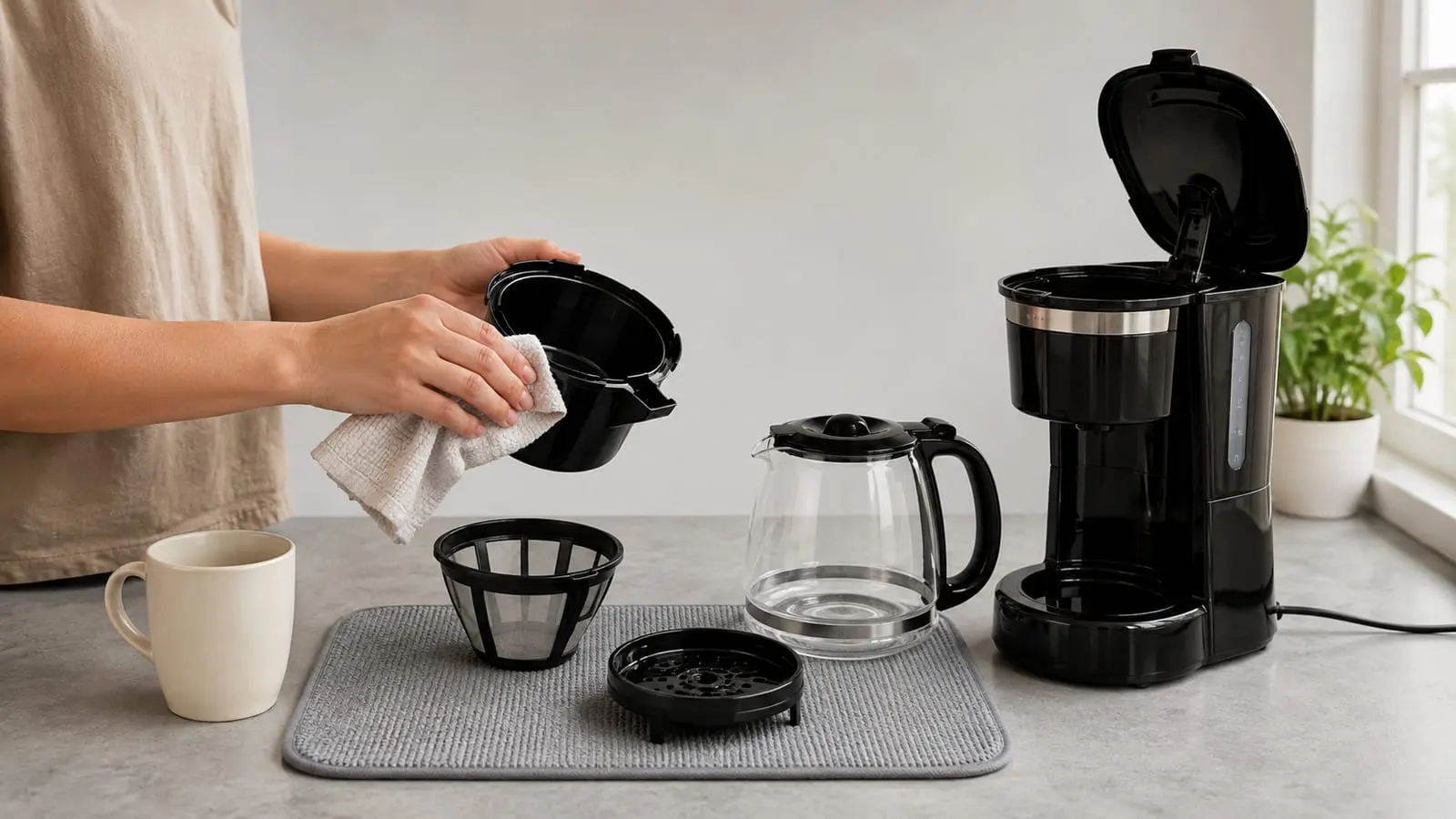
Skip it if cleanup already feels like a deal-breaker. After brewing, you’ll need to knock out the coffee puck, rinse the basket, wipe the machine, and purge and wipe the steam wand after steaming milk. Ignore the wand and old milk turns into a sticky science project.
You should also skip it if you expect café quality without practice. The machine won’t automatically create silky milk or balanced espresso. It gives you the tools. You still have to use them.
For easy black coffee, a pour-over, AeroPress, French press, or automatic drip brewer may fit better. Compare the workflow in this guide to manual and automatic coffee brewing before you spend money on espresso equipment.
Machine types by routine
The right machine depends on how much control you want. More automation saves effort, but it usually gives you less control over the details that shape flavor.
Semi-automatic machines
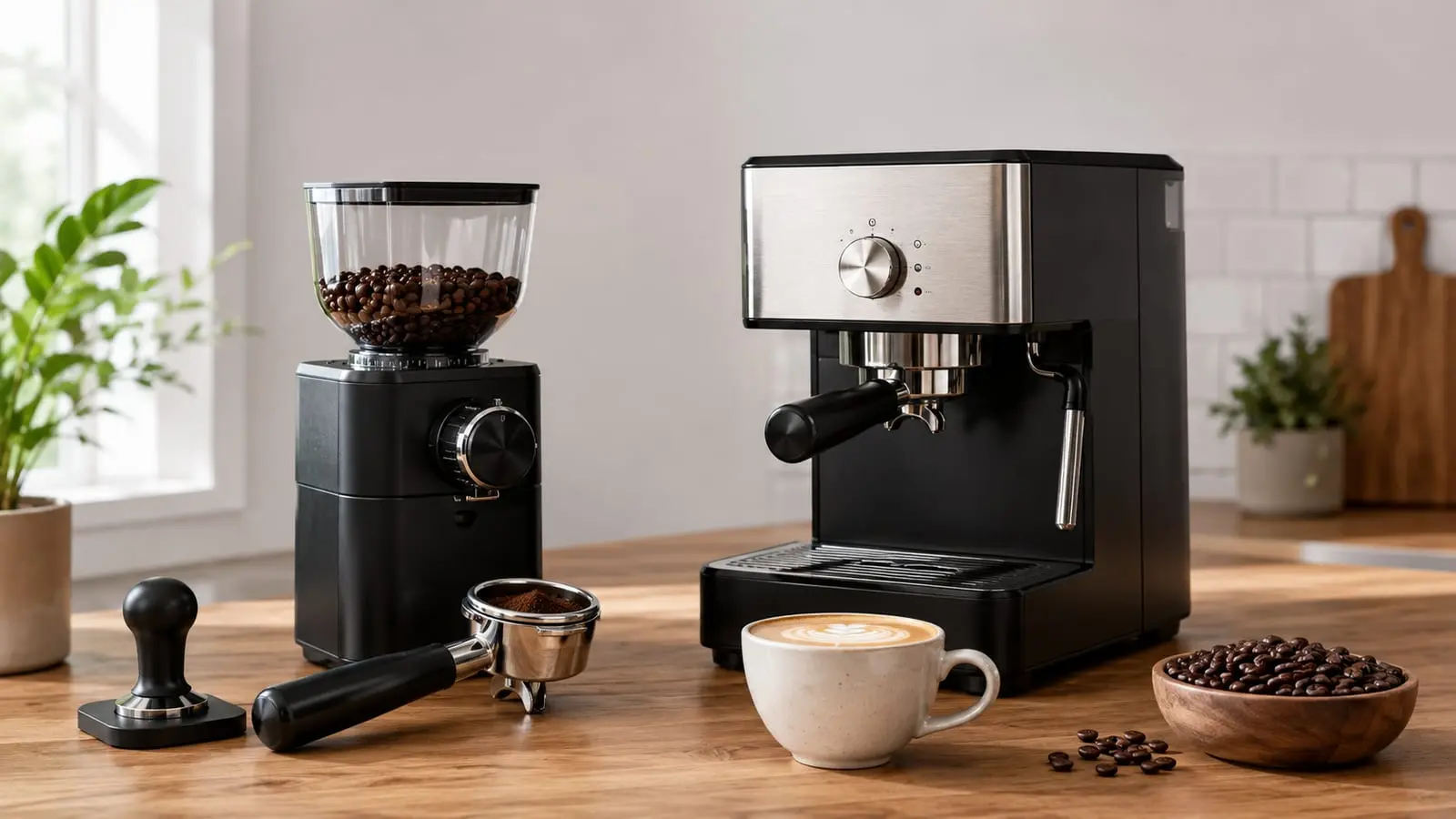
Semi-automatic machines let you grind, dose, tamp, and start the shot yourself. You control the parts that matter most, including grind size and how much coffee ends up in the basket.
This is the best choice if you want to learn espresso without turning your kitchen into a laboratory. It takes practice, but you’ll understand why the coffee tastes good or bad.
The catch is that you need a separate grinder. Buying a cheap machine and pairing it with a weak grinder is a common wrong turn. The setup may look affordable, but it creates inconsistent shots and wastes beans.
Automatic machines
Automatic machines stop the shot for you or handle part of the brewing process. They reduce guesswork and make repeat drinks easier.
They’re useful when several people want coffee with different preferences. They’re also a good fit if you want control without standing over every shot.
Still, “automatic” doesn’t mean “maintenance-free.” You’ll clean the brewing path, empty waste trays, and care for the milk system if the machine has one. Convenience shifts the work around. It doesn’t remove it.
Super-automatic machines
Super-automatic machines grind, brew, and often steam milk with little input. They make sense when speed matters more than hands-on control.
You’ll get consistent convenience, but you may give up some flavor range. Built-in grinders and preset recipes can make it harder to adjust the drink exactly. Milk systems also need regular cleaning, and their hidden parts can be harder to inspect.
Choose this type if you want a button for a latte. Don’t choose it because marketing promised café quality with no effort.
Capsule machines
Capsule machines are clean, fast, and simple. They work well for occasional espresso drinkers who don’t want to weigh beans, adjust a grinder, or learn milk steaming.
The trade-off is less control over freshness and flavor. You’re also tied to the capsule system, which can limit your choice of beans and create more packaging waste.
A capsule machine can be worth it when convenience is the entire point. It’s a poor choice if your main goal is exploring coffee flavor.
Does home espresso taste better than café coffee?
It can, but the word “can” is doing honest work here. Home espresso gives you control over the beans and recipe, while a café gives you trained staff, commercial equipment, and a workflow built around repetition.
Your home setup wins when you use fresh beans and keep your recipe consistent. It loses when the grinder is misaligned, the beans are old, the water tastes flat, or the machine is dirty.
You’ll also notice a difference between drinks. Straight espresso shows every mistake. Milk drinks hide some rough edges because milk adds sweetness and body. That makes lattes and cappuccinos easier places to start.
The Specialty Coffee Association maintains equipment standards for home and commercial brewing. Its espresso machine standards are useful when you want to judge performance instead of counting screens and decorative buttons.
The daily ownership routine
The daily routine is manageable, but it isn’t optional. Espresso machines stay pleasant when you clean small messes immediately instead of saving everything for a miserable weekend session.
After each use, you should:
- Knock out the used coffee.
- Rinse the basket and portafilter.
- Wipe the group head.
- Purge the steam wand.
- Wipe the wand clean.
- Empty standing water when needed.
- Keep the drip tray from becoming a swamp.
You’ll also need deeper cleaning based on your machine’s instructions. That can include backflushing, cleaning removable parts, checking seals, and managing mineral buildup. The exact schedule depends on the machine, water, and how often you brew, so don’t follow a random internet calendar like it’s sacred law.
Water deserves more attention than it gets. If your tap water tastes harsh, the coffee will taste harsh too. Use water that tastes good on its own, and follow the machine maker’s guidance for filtration and mineral content.
Milk adds another layer. A steam wand must be cleaned right after use because dried milk sticks fast. If you only drink black espresso, ownership is simpler.
Learning espresso without losing your patience

You can make drinkable espresso quickly. Making repeatable espresso takes longer because several variables move together.
Start with the same bean and adjust only the grinder first. If the shot tastes bitter and dry, back off a click coarser. If it tastes sharp, thin, or underdeveloped, go a little finer.
“Dial in” means adjusting the grind, coffee amount, and brew output until the flavor tastes balanced. You don’t need to chase a perfect number. You need to taste the shot and understand what the change did.
Milk takes a separate skill. Good steamed milk should feel glossy and pour smoothly, not look like stiff shaving foam. Give it a stir before pouring, and don’t overheat it until the sweetness disappears.
For beans that suit this style of brewing, start with a reliable espresso coffee guide. Freshness and roast style will affect the result more than a clever label on the bag.
The break-even test
Use your own habits instead of copying someone else’s café math. The answer changes based on machine cost, grinder cost, bean usage, milk, water, maintenance, and how much you currently pay for café drinks.
Use this simple comparison:
- Add the machine, grinder, scale, and basic accessories.
- Estimate your regular home coffee cost.
- Compare that with what you spend on the same drinks at cafés.
- Count how often you’ll actually brew at home.
- Include replacement parts and cleaning supplies.
- Decide how long you’re willing to wait before the setup pays for itself.
The calculation only matters if you use the machine. A machine that sits untouched is expensive countertop decoration, no matter how good the spreadsheet looks.
Don’t count your time as free if you dislike the process. If brewing takes long enough to make you late, the café may still be the cheaper option in practical terms. Convenience has value, even when it doesn’t appear on a receipt.
Buying without overspending
Buy the grinder before chasing machine features. A consistent grind gives you a better chance of making balanced espresso, while extra machine modes won’t rescue uneven particles.
Look for a machine with:
- Stable brewing temperature.
- A sturdy portafilter and basket.
- A steam wand you can clean easily.
- Replacement parts that are easy to find.
- Clear instructions.
- A size that fits your counter.
- Controls you’ll actually use.
- A service history if you’re buying used.
Avoid buying based on pressure claims alone. More pressure does not automatically mean better espresso. Extraction depends on grind size, puck preparation, water, temperature, and timing working together.
Also avoid buying a machine that barely fits your routine. If you need to move it every morning, fill a tiny tank repeatedly, or reach behind it to clean, you’ll stop using it. The best machine is the one you can leave ready and maintain without resentment.
If you’re ready to compare specific models, use the blog’s guide to espresso machines for beginners. This article answers the bigger question first: whether the category belongs in your kitchen at all.
Better alternatives
A moka pot gives you strong, concentrated coffee with less equipment and less counter space. It won’t make the same drink as a true espresso machine, but it works well with milk and costs less to learn.
An AeroPress is fast, forgiving, and easy to clean. It makes a small, strong cup that suits people who want intensity without steam wands or grinder adjustments.
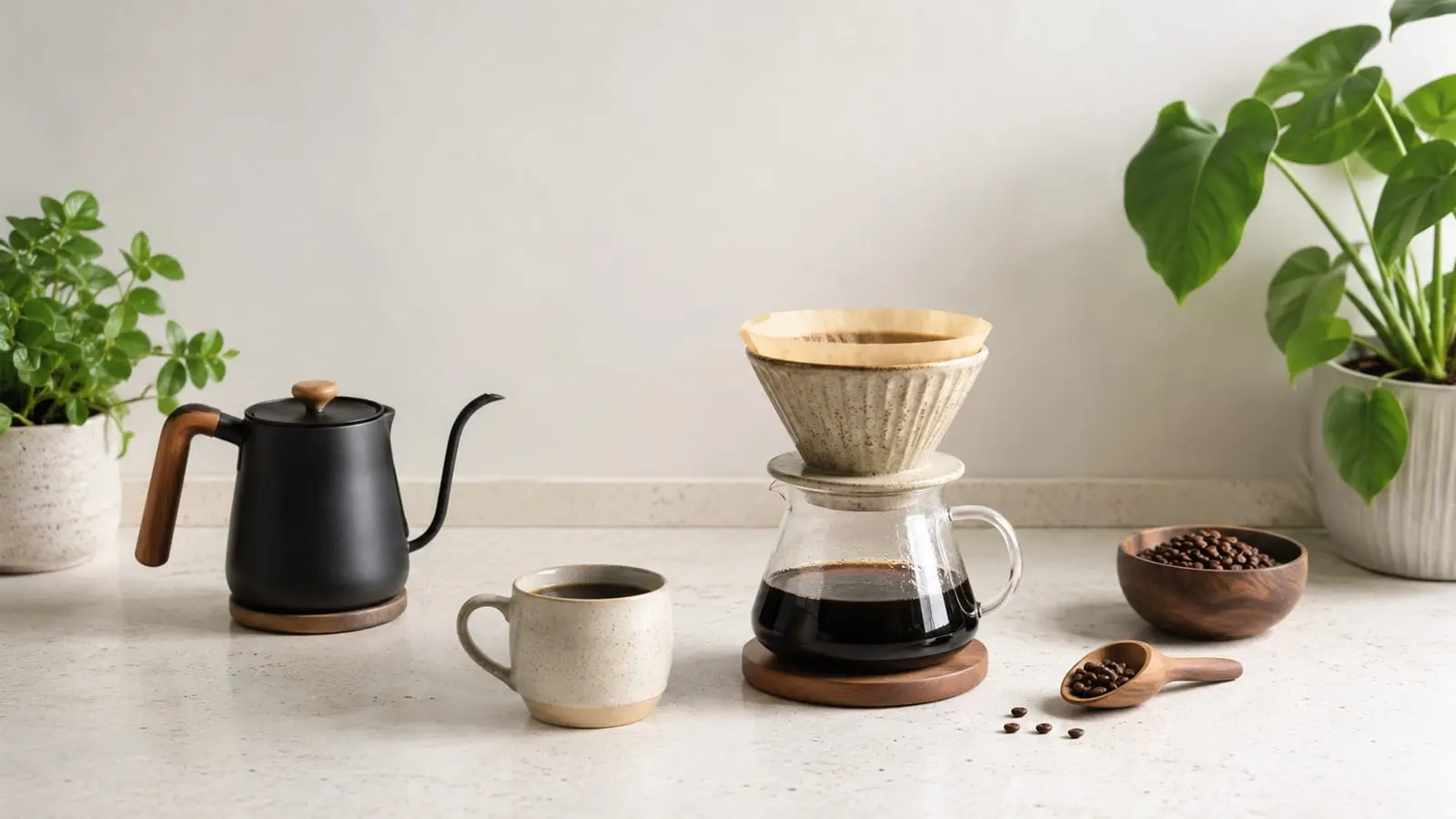
A pour-over brewer gives you clarity and flavor detail. Light roasts often taste brighter and more transparent through this method, especially when you care about fruit, citrus, or floral notes.
An automatic drip brewer is the practical winner for larger servings. It asks less of you and makes more coffee, which is a better match for a full mug than espresso ever will be.
Choose the method that matches your drinking habits. Buying an espresso machine because it looks impressive is how kitchen gear becomes furniture.
The verdict: who should buy one?
Buy an espresso machine if you drink espresso-based drinks often, enjoy fresh beans, and want to learn a hands-on routine. Make room for the grinder, cleaning, accessories, and the occasional bad shot while you get consistent.
Skip it if you want large mugs, instant coffee, or zero maintenance. A simpler brewer will give you better value and fewer chances to mutter at a machine before breakfast.
So, is an espresso machine worth the investment? For a regular latte drinker who likes control, yes. For a casual coffee drinker chasing convenience, no. Spend on the method you’ll use, not the machine you imagine yourself using.
FAQ
Can you make good espresso with pre-ground coffee?
You can make acceptable espresso with pre-ground coffee, but freshness and grind control will be limited. It may work for occasional drinks, especially with milk, but fresh-ground coffee gives you a better chance at sweetness and balance.
Is a built-in grinder good enough?
A built-in grinder can be convenient, but its quality varies. If the grind adjustment feels crude or the results change from shot to shot, the machine will hold you back. A separate burr grinder gives you more control and makes upgrades easier.
Should you buy an espresso machine used?
Buying used can make sense if the machine has been maintained and replacement parts are available. Ask about leaks, steam performance, water buildup, and recent service. A bargain machine with failing seals can cost more than a sound one bought new.
Are espresso machines hard on small kitchens?
They can be. Measure the counter depth, cabinet clearance, water access, and storage space for the grinder and accessories before buying. A compact setup works well if you keep it permanently assembled.
Do you need to drink espresso straight?
No. Espresso works in lattes, cappuccinos, Americanos, iced drinks, and creative recipes. If straight shots taste too intense, milk and water give you more room to enjoy the machine while your palate adjusts.