Counter Culture Coffee stands out because it treats great coffee as a chain of careful decisions, from farmer relationships and transparent sourcing to roasting, tasting, and training. The useful answer to Counter Culture Coffee: what to know about its coffee, sourcing, and training is simple: the company puts more work into the system behind the cup, then expects you to taste and adjust instead of worshiping expensive gear or fussy rules.
That approach suits you if you like coffee with clear flavor, traceable origins, and enough variety to keep exploring. It may frustrate you if you want the same dark, smoky cup every morning or a coffee bag that says little beyond “bold.”
What is Counter Culture Coffee known for?
Counter Culture Coffee builds quality through repeatable decisions. The green coffee has to be good, the roast has to suit it, the beans need to stay fresh, and the brewing method has to give the coffee a fair shot.
That sounds obvious. Plenty of coffee companies still skip half the chain and sell the story instead.
Counter Culture’s approach puts sourcing, roasting, freshness, sensory evaluation, and training in the same conversation. A bright coffee from a high-grown farm needs different treatment from a dense, dark roast made for milk. Treating both the same is how you get either sour coffee or burnt coffee.
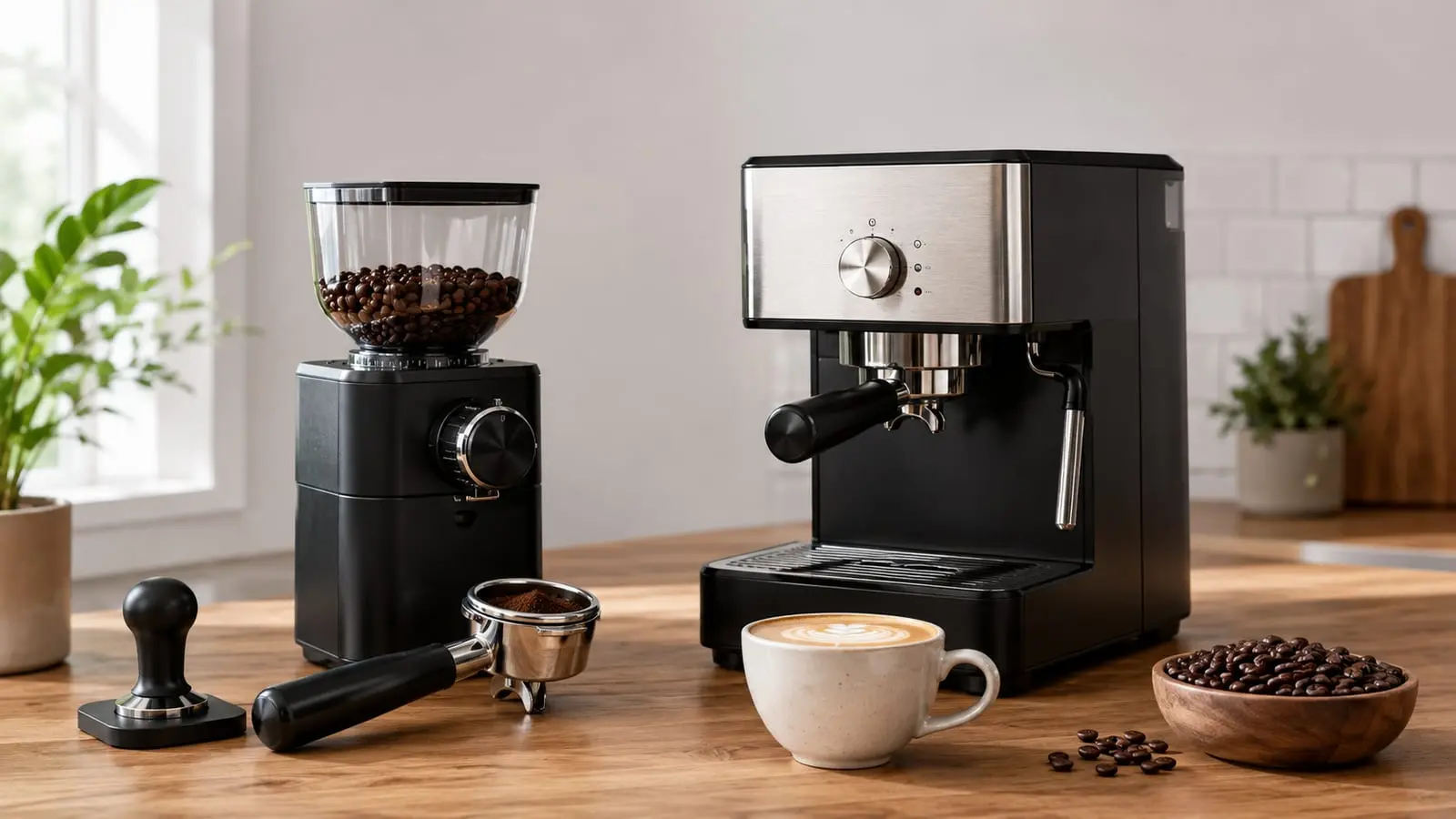
The company’s style generally rewards clarity and balance. Still, you don’t need a laboratory setup to enjoy it. A burr grinder, a scale, clean water, and a willingness to taste and adjust will take you further than a countertop full of shiny equipment.
Coffee’s path from seed to cup
Coffee quality starts long before roasting. The chain looks like this:
- A coffee plant grows from seed in a particular climate, soil, and elevation.
- Farmers harvest ripe coffee cherries, usually by hand or with mechanical help.
- Producers process the cherries by removing the fruit through washed, natural, honey, or other methods.
- The coffee is dried, sorted, and prepared for export.
- Exporters handle local logistics, documentation, storage, and shipment.
- Importers move the coffee into the buying country and help roasters manage supply.
- Roasters develop a profile that brings out sweetness, acidity, body, and aroma.
- Distributors and cafés move the roasted coffee to you.
- You grind, brew, smell, taste, and decide what needs changing.
Every step leaves a mark. A ripe cherry can produce sweet, fruit-filled coffee. Poor drying can flatten that sweetness or add musty flavors. A good roast can reveal the coffee’s character, but it can’t erase careless processing.
The International Coffee Organization tracks coffee production and trade across the industry. That wider view matters because coffee isn’t a single transaction between a roaster and a farm. It’s a long supply chain with fragile points at every turn.
Counter Culture’s coffee origins
Counter Culture’s coffees come from the major coffee-growing regions of Latin America, Africa, and Asia. Each region offers broad patterns, but no continent has one flavor. Country names are clues, not tasting notes.
Origin matters because it brings together several conditions:
- Altitude: Higher growing areas often produce slower-maturing cherries with lively acidity and clear flavors.
- Variety: The coffee plant’s genetic type affects sweetness, structure, aroma, and yield.
- Climate: Rain, sun, temperature, and seasonal changes shape how cherries develop.
- Soil and shade: These can affect plant health and ripening speed.
- Processing: The way producers remove and dry the fruit changes the final cup.
A washed coffee often shows crisp acidity and cleaner separation between flavors. A natural coffee may taste fruitier and heavier because the cherry dries around the seed. Neither method wins by default. Bad execution ruins both.
Counter Culture’s Blackburn Estate Forest AA is listed as coming from Tanzania, west of Oldeani in the Karatu District. That location is part of the coffee’s identity, but the label alone won’t tell you exactly what you’ll taste in every brew.
For a clearer explanation of how place shapes coffee, read this guide to coffee terroir. Then taste the coffee without staring at the bag. The cup gets the final vote.
Farmers and producer communities

Farmers decide much of the coffee’s potential before a roaster ever sees it. They choose varieties, manage plants, pick cherries, control fermentation, and dry the coffee. Those choices require labor, skill, weather luck, and access to useful infrastructure.
Producer capabilities matter just as much as the farm’s location. A community with raised drying beds, reliable storage, trained workers, and working roads can protect quality more easily than one without them. “Small farm” doesn’t mean “simple coffee.” It often means more hands, more risk, and less room for mistakes.
Local growing conditions also shape the money behind the coffee. A difficult harvest, plant disease, rising labor costs, or damaged roads can change what producers earn and how much coffee they can deliver. Long-term buying relationships can help, but they don’t solve every problem.
This is where sourcing language needs a little suspicion. A story about farmer relationships sounds good, but you should still ask what the relationship means in practice. Does it involve repeat purchasing, direct communication, quality feedback, investment, or simply a name on a product page?
Cooperatives, exporters, and importers
Cooperatives group farmers together so they can process, store, market, and sell coffee with more reach. They may also provide seedlings, training, equipment, credit, or quality control. A cooperative is not automatically fair or effective, but removing it from the chain would leave many farmers with fewer options.
Exporters prepare coffee for international trade. They manage dry mills, grading, paperwork, warehouse storage, and shipping. They also help turn thousands of small lots into coffee that a roaster can actually buy and receive.
Importers connect producing countries with roasters. They often manage contracts, financing, logistics, samples, quality checks, and storage. That work is easy to ignore because you don’t taste an importer directly. You taste the consequences of good or bad coordination.
The cleanest supply chain on a diagram can still fail in a warehouse. Coffee needs careful storage, timely shipping, and honest quality control. Intermediaries aren’t automatically the problem. Hidden work is still work.
Sourcing transparency and trade practices
Counter Culture has made sourcing transparency part of its public identity, and its sourcing information gives readers more to inspect than a vague origin label. That’s a useful start, especially when coffee details change from one harvest to the next.
Good transparency should show:
- The coffee’s country, region, and producer or cooperative.
- The type of buying relationship involved.
- The price paid for the coffee, when the company publishes it.
- How long the relationship has lasted.
- What quality, social, or environmental work supports the purchase.
- Which details apply to the current harvest rather than an older one.
Public information still has limits. A price paid to an exporter may not equal the money received by each farmer. A long relationship doesn’t prove every year has been equally fair. A sustainability claim may describe a project without showing its full cost or result.
So read sourcing pages as useful evidence, not holy scripture. Compare the detail provided with the size of the claim. If a company says little, assume you know little.
For more practical context, this guide to ethical coffee sourcing practices explains what to look for across the industry.
Sustainability and coffee quality
Sustainability means coffee farming has to keep working over time. That includes healthy soil, usable water, shade and habitat where appropriate, resilient plant varieties, fair labor conditions, and enough income for producers to stay in coffee.
Quality and sustainability often support each other. Better sorting, careful drying, shade management, and healthy plants can improve the cup while reducing waste. However, some improvements cost money before they produce a visible return.
Long-term relationships can help producers plan. They can also give roasters better access to distinctive coffee. Still, a relationship is only useful if it shares value and reduces risk instead of placing every burden on the producer.
Climate pressure makes this harder. Heat, irregular rain, pests, and disease can damage yields and change flavor from one harvest to the next. The best sustainability work isn’t a green label slapped on the bag. It’s the unglamorous work that keeps farms productive and communities in coffee.
Roast levels and coffee styles
Roast level changes the balance between origin character and roast character.
- Light roasts keep more of the coffee’s acidity, floral notes, citrus, and fruit. They can taste bright and precise, but poor brewing may make them seem sharp.
- Medium roasts bring more caramel sweetness, body, and nutty flavor. They’re often easier to brew across different methods.
- Dark roasts emphasize smoke, bittersweet flavor, and heavier body. They work well with milk, but too much roast can bury the coffee’s origin.
Counter Culture’s lineup includes single-origin coffees, blends, and often options for decaf or other preferences. Availability changes, so check the current selection rather than treating any catalog as permanent.
The right style depends on how you drink coffee. Choose lighter coffee for fruit and clarity. Choose a deeper roast for chocolate, weight, and milk. Choose a blend when you want a dependable house flavor. There’s no prize for choosing the roast that sounds most impressive.
Single origins and blends
Single-origin coffee comes from a defined place, producer, cooperative, or group of farms. It gives you a clearer chance to taste how a particular region and harvest behave.
That traceability is useful, but it doesn’t guarantee quality. A single-origin coffee can be stunning, flat, strange, or past its best. Origin is information, not a medal.
Blends combine coffees to create a target flavor and keep that flavor steady as individual lots change. A good blend can taste balanced, sweet, and complete. It may also be easier to brew every day.
Choose a single origin if you enjoy comparing fruit, floral notes, acidity, and processing styles. Choose a blend if you want consistency, milk-friendly structure, or a coffee that doesn’t demand your full attention before breakfast.
Both deserve a fair brew. A blend isn’t a lesser coffee, and a single origin isn’t automatically more interesting.
Tasting notes and flavor profiles
Tasting notes describe resemblance, not added ingredients. If a bag mentions blueberry, you shouldn’t expect syrup in the coffee. You might notice a berry-like sweetness or aroma alongside acidity and body.
Read the common terms this way:
| Tasting note | What you may notice in the cup |
|---|---|
| Fruit | Juicy sweetness, ripe aroma, or a wine-like quality |
| Citrus | Lemon, orange, grapefruit, or a crisp finish |
| Chocolate | Cocoa, brownie, or a round bittersweet flavor |
| Floral | Jasmine, rose, lavender, or a tea-like aroma |
| Spice | Clove, cinnamon, pepper, or warm savory notes |
| Caramel or honey | Smooth sweetness and a fuller finish |
| Bright acidity | A lively, clean sensation similar to fruit |
| Body | The weight of the coffee on your tongue, from tea-like to silky |
Your water, grind, brew time, and temperature change what shows up. A bright coffee can turn sour if underextracted. A chocolatey coffee can turn bitter if the grind is too fine or the brew runs too long.
Taste the cup before chasing the note list. If you find citrus and your friend tastes flowers, neither of you failed the test. Coffee isn’t a scratch-and-sniff worksheet.
Coffee training and sensory judgment

Coffee training develops judgment, not obedience. You learn to identify sweetness, acidity, bitterness, body, aroma, and defects. Then you learn what a brewing change does to those sensations.
Good training also teaches calibration. That means tasting with other people, comparing the same coffee, and building shared language. Without calibration, “bright” can mean pleasantly lively to one person and unpleasantly sour to another.
The practical skill is knowing what to change next. A finer grind can increase extraction and body, but it can also push a coffee into bitterness. More water can soften a heavy cup. A stir during the bloom can help wet dry grounds, but stirring too hard can speed the brew and muddy the result.
Counter Culture’s coffee education and training reflects that sensory approach. You don’t need to memorize every tasting term. You need to notice what’s in the cup and make one change at a time.
Brewing without expensive gear

Freshness and a sensible ratio matter more than expensive equipment. Start with whole beans, grind immediately before brewing, and keep them in an airtight container away from heat, light, moisture, and the fridge.
Use a kitchen scale if you have one. Scoops vary, and inconsistent coffee makes every adjustment harder. Start with a standard coffee-to-water ratio, then taste and adjust from there.
Use water just off the boil for most methods. If the coffee tastes sour and thin, grind a little finer or let the brew run longer. If it tastes bitter and dry, back off a click coarser or shorten the brew.
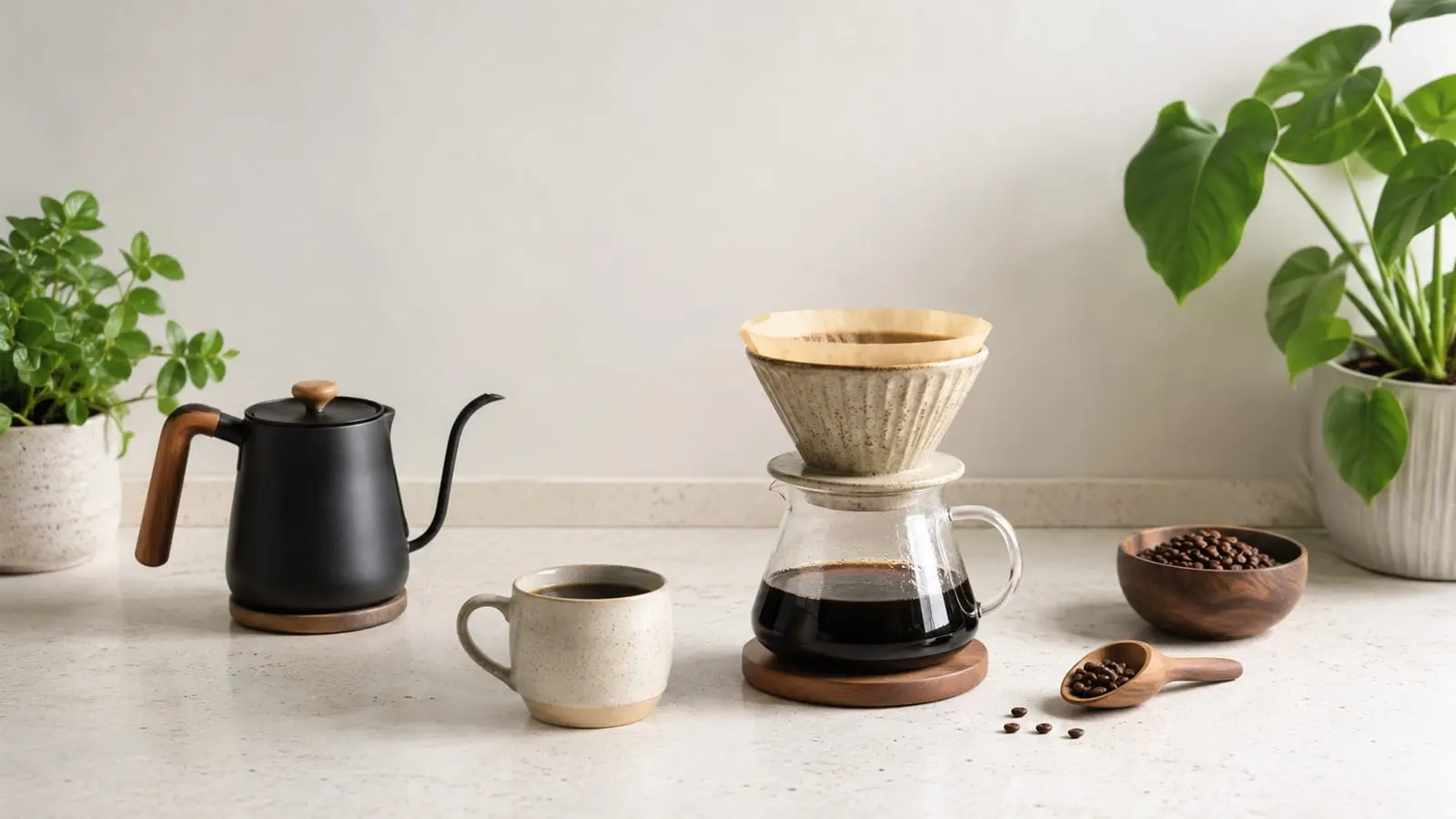
For pour-over, give the grounds an even bloom and a gentle stir if dry pockets remain. For a French press, use a coarse grind and let the coffee settle before pouring. For cold brew, use coarse-ground coffee, steep it until smooth, and dilute the concentrate before drinking.
You can also follow this practical guide to slow brew coffee. The method matters less than controlling the basics and changing one variable at a time.
Counter Culture Coffee is a good fit for curious drinkers who want origin character, clear sourcing information, and a reason to pay attention to flavor. It’s less suitable if you want a uniform dark roast with no acidity or if you refuse to adjust your grind. Start with the coffee you already like, brew it carefully, and let the cup tell you where to go next.
FAQ
Is Counter Culture Coffee good for beginners?
Yes, especially if you choose a balanced blend or medium roast first. Lighter coffees can show more acidity and origin character, but they also make poor grind or water choices easier to taste.
Does Counter Culture Coffee require special equipment?
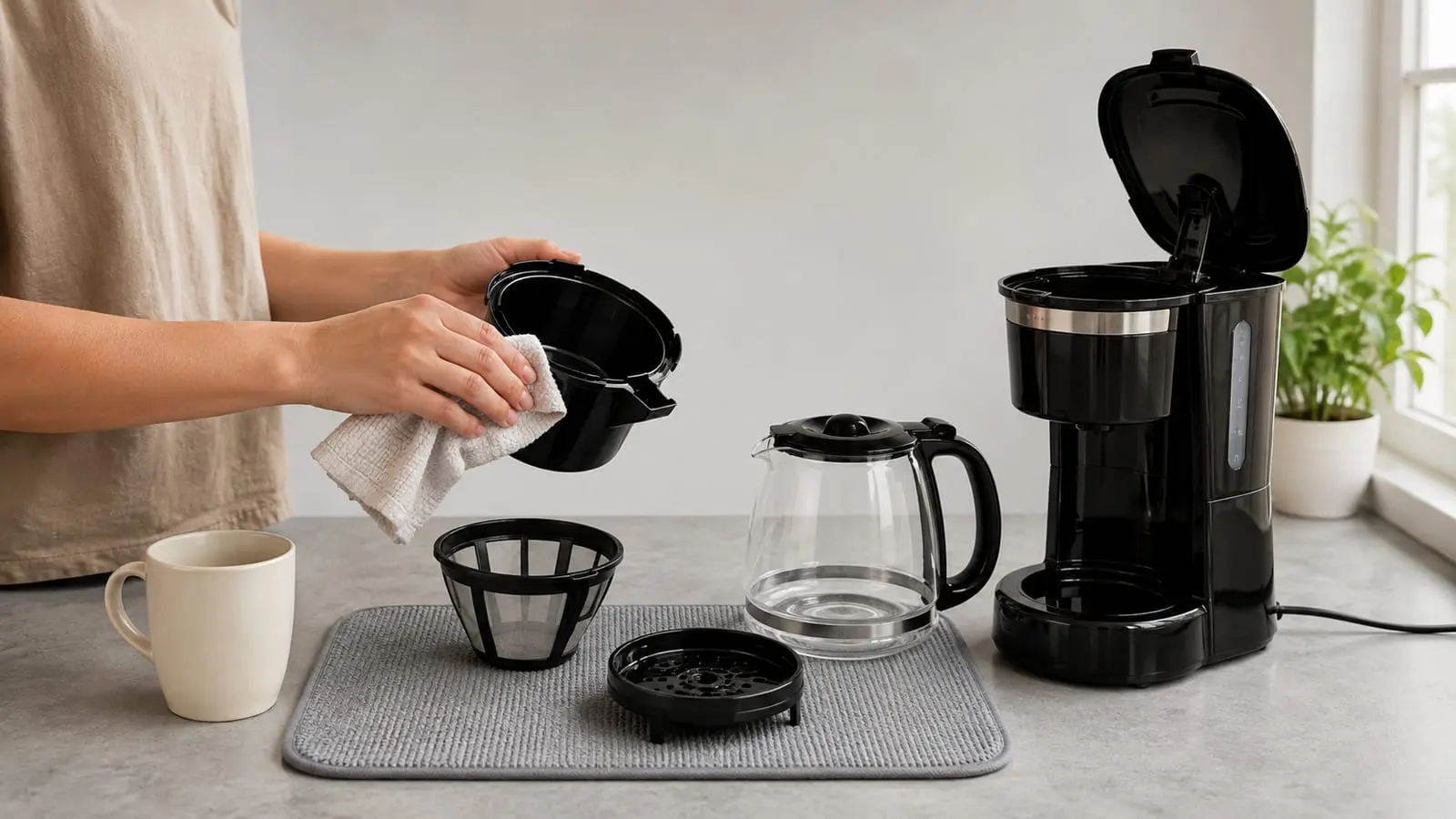
No. A basic drip machine, French press, pour-over, or cold brew setup can do the job. Spend your attention on fresh grinding and clean water before you spend it on a new brewer.
Is Counter Culture Coffee ethically sourced?
The company publishes sourcing information and trade details, which gives you more to evaluate than a broad ethical claim. Still, those pages can’t show every result for every farmer, so check the harvest details instead of trusting the label by itself.
How should you store Counter Culture Coffee beans?
Use an airtight container and keep it somewhere cool and dark. The fridge is a poor storage spot because moisture and leftover food smells can flatten the coffee.
Which Counter Culture coffee should you try first?
A blend or medium roast makes the easiest starting point if you prefer chocolate, caramel, and a rounder body. For fruit, citrus, floral aromas, and a stronger sense of place, start with a light single origin.