
The best black coffee isn't a brand on a shelf. It's a fresh, light-to-medium roast, single-origin bean, ground right before you brew. Get that part right and a twelve-dollar bag will out-taste any dark "gourmet" can at the grocery store. So when people ask me what is the best black coffee, I point them to Stumptown Hair Bender as the safe all-rounder, Trader Joe's Ethiopian Extra Bold for a cheap grocery win, and I tell them to skip the extra-dark stuff built for shock value.
Last updated: 2026-07-24
Drink your coffee black instead of loading it with milk and sugar, and the bean's real flavors come through. Black coffee can feel intimidating at first. Give it a little time, though, and you start tasting the differences between beans with nothing in the way. That is the honest joy of it, and why I brew this way.
The four things that make coffee good black
A few things decide whether a black cup delights you or sends you reaching for the sugar. Judge every bean against these before you spend money.
- Smoothness. Good black coffee is naturally smooth, not harshly bitter. Look for beans described as balanced or low-acid.
- Flavor. The best cups carry real notes of chocolate, nuts, berries, or flowers. Vague beans make vague coffee.
- Acidity. A little brightness keeps coffee lively and refreshing. Too much turns it sour and sharp, so you want it balanced.
- Freshness. Nothing else matters if the beans are stale. This is the lever most people ignore.
When I first switched to black, these four checks are how I figured out what I actually liked. Everything below judges beans on the same terms.
Is light roast or dark roast better for black coffee?
Go light-to-medium for black coffee, because that is where the bean's real flavor survives. Roast level changes the taste more than origin does, so decide what you want before you buy.
Light roasts keep the bean's own character: bright acidity, fruit, and floral notes, with a thinner body. Medium roasts sit around 410 to 430°F in the roaster, which balances that brightness with sweetness and caramel. As a result, mediums suit most people and most brewers.
Dark roasts push smoky, bittersweet flavor forward until the origin mostly disappears. They are not bad, but they are the wrong tool here. If you drink your coffee black and want to taste the bean, light or medium earns your money. For a deeper look, here is my take on light versus dark roast and acidity.
Bean origin and sourcing change the taste

Origin matters more than any slogan on the bag. Where a bean grows shapes its flavor long before the roaster touches it.
- Ethiopian Yirgacheffe gives you bright, floral, tea-like cups with a pleasant acidity. It is my pick for anyone who likes a vibrant, complex black coffee, and it shines in a pour-over.
- Colombian is the reliable everyday cup: nutty, slightly sweet, and smooth. Colombia is the world's third-largest coffee producer, around 8% of global output and roughly 11.5 million bags a year, so it is easy to find and easy to trust.
- Guatemalan leans chocolatey and full-bodied, with a hint of nuttiness. It is great for medium-roast fans who want depth without harshness.
- Jamaican Blue Mountain is mild, sweet, and low in bitterness, with delicate floral notes. It also runs around $98 a bag, so treat it as a rare treat rather than your everyday cup.
If a bag only lists a country and nothing else, put it back. You want the region or the tasting notes on the label. My guide to single origin versus blend digs into why that detail matters.
The types of black coffee worth knowing
"Black coffee" just means no milk and no sugar. The style still changes a lot depending on how you brew it. Here are the ones worth knowing:
- Drip. The automatic machine most of us grew up with. Consistent and hands-off.
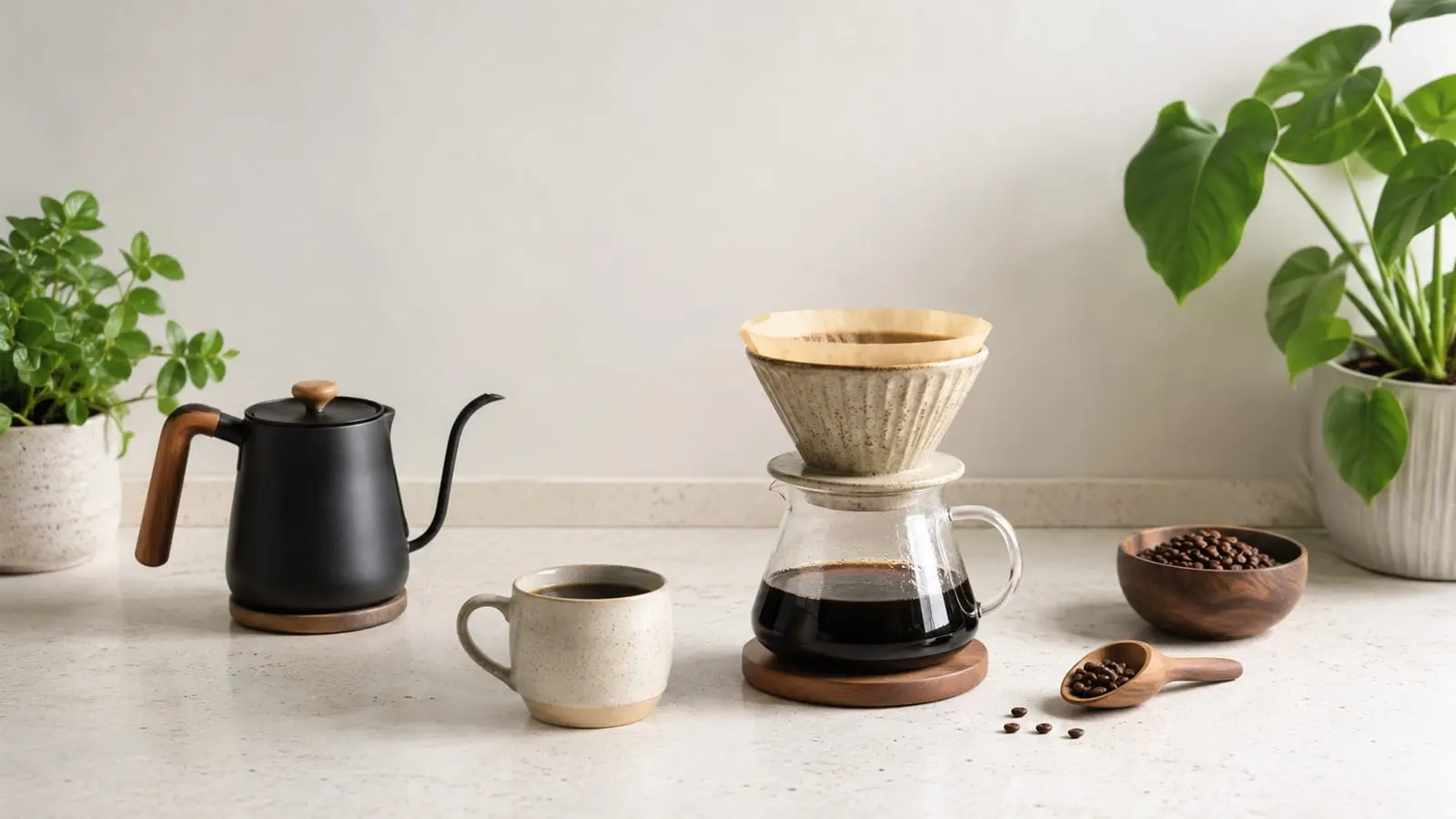
- Pour-over. Water poured slowly by hand over a paper filter. Clean and gentle, so it shows off light roasts.
- French press. A metal filter that lets the oils through for a heavier, richer body.
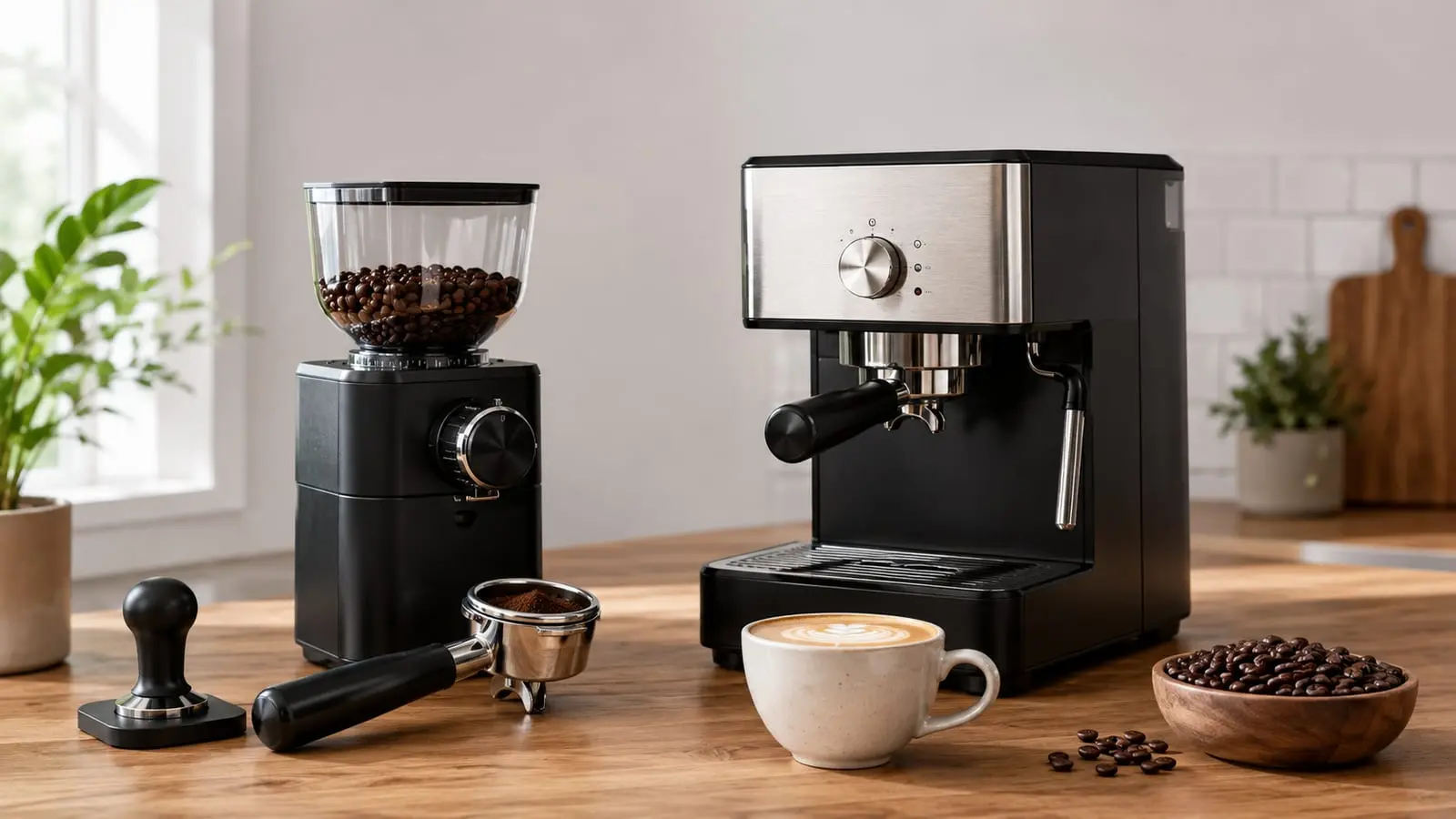
- Espresso. Small, bold, and concentrated. You can absolutely sip it black.
- Cold brew. Steeped cold overnight for a smooth, low-acid drink.
- AeroPress. A cheap plunger that can mimic espresso or make a mild clean cup, depending on how you use it.
Each method flatters different beans. Pick the style first, then match the bean to it.
Natural versus washed process
For most black-coffee drinkers, a washed bean is the cleaner, safer bet. Washed coffees taste crisp and clear, so the origin flavors read loud and precise. Counter Culture's Big Trouble is a good example of a bright washed cup.
Natural-process beans dry inside the whole fruit, which pushes big, jammy, sometimes boozy berry flavors. When they are done well, they taste like dessert in a cup. When they are done sloppily, they taste muddy and fermented.
So my rule is simple. Start with washed if you want dependable clarity. Reach for natural when you want a fruit bomb and you trust the roaster. You can read how coffee is processed if you want the full picture.
How brewing method shapes the cup
The method either reveals the bean's flavors or hides them. Match the brewer to the roast and you win.
Pour-over is accurate and gentle, so it pulls out the subtle, complex notes in light and medium roasts. French press keeps the oils in the cup, which gives dark roasts a full, rich body. Cold brew mellows everything and drops the acidity, which makes almost any bean easy to drink black.
Personally, I love a dark roast in the French press and a bright roast through the pour-over. Change one variable at a time and taste as you go until it clicks.
Does water temperature really matter for black coffee?
It matters a lot. Aim for water just off the boil rather than a hard rolling boil, which scorches the grounds and turns the cup burnt and bitter.
Go the other way and water that is too cool under-extracts. Then the coffee tastes thin and sour instead of sweet. Let the kettle rest for a moment after it boils, pour, and you land in the sweet spot without a thermometer. This one fix rescues a lot of "bad" beans that were never the problem.
Why fresh-ground coffee tastes better
Because coffee goes stale fast, and black coffee has nowhere to hide it. Whole beans hold their best flavor for only about one to three weeks after roasting. Pre-ground coffee starts losing its aromatics within minutes of grinding.
Fresh out of the grinder, coffee smells sweet and complex and tastes full. A week old and pre-ground, that same coffee turns flat, papery, and dull. So buy whole bean, check the roast date, and grind right before you brew. If you need a grinder recommendation, start with my roundup of the best beans and how to grind them.
What is the best black coffee you can buy?
Here are my picks, sorted by who they suit. A couple you can grab on your next grocery run; the rest are worth chasing down online.
| Coffee | Roast / type | Verdict |
|---|---|---|
| Stumptown Hair Bender | Medium, whole bean | Best all-around. Balanced, no sourness, forgiving |
| Counter Culture Big Trouble | Washed, bright | Best for fruit-forward drinkers who order online |
| Trader Joe's Ethiopian Extra Bold | Natural, whole bean | Best budget grocery pick, fruity and cheap |
| Peet's Major Dickason's Blend | Dark, widely sold | Best grocery-store option, dark but not burnt |
| Onyx Southern Weather | Natural, specialty | Best splurge, dessert-like black cup |
| Death Wish Coffee | Extra dark | Skip for black. Built for caffeine, not flavor |
| Folgers Classic Roast | Pre-ground blend | Skip. Flat, stale, and bitter with no cream to hide it |
Stumptown Hair Bender is where I send most people. It stays balanced across a pour-over, a French press, or a drip machine, and it never turns sour on you.
Counter Culture Big Trouble rewards you if you like a bright, fruity, washed cup and you don't mind ordering online. Onyx Southern Weather is the treat-yourself choice, a natural-process coffee that drinks like dessert if you'll pay specialty prices.
I skip Death Wish. That extra-dark roast is built to deliver a big caffeine hit, and black it just tastes scorched.
The best grocery store black coffee brands
If you won't order specialty beans online, you can still drink well from the supermarket. Just steer around the stale stuff.
Peet's Major Dickason's Blend is my grocery default. It is genuinely dark yet not burnt, and it tastes the same bag after bag. Trader Joe's Ethiopian Extra Bold is the value play. It is naturally processed, fruity, and punches well above its price for black drinking.
Folgers Classic Roast is the one to leave on the shelf. It is a stale pre-ground robusta blend that tastes flat and bitter, and black coffee gives it nowhere to hide.
How do you transition to drinking coffee black?
Start with good beans and a gentle roast, then work down slowly. Rushing it is how people decide they hate black coffee.
- Buy fresh, light or medium beans. Smoother beans mean a smoother first cup.
- Brew clean. A pour-over or French press gives you a clear, rich cup with less bitterness.
- Cut back gradually. If you take sugar now, drop it a little each week until the bean's own sweetness carries the cup.
- Try a specialty shop. Ordering a well-made black coffee shows you what the target actually tastes like.
Every drinker is different, so find the bean and roast you genuinely enjoy rather than forcing one you don't.
A few myths worth dropping
Black coffee is not automatically bitter. With the right bean and roast, it tastes smooth, sweet, even fruity. It also isn't "too strong" by nature, because you control strength with your grind and brew time. And you don't need to be a purist to enjoy it. You just need to find flavors you like and brew them well.
The bottom line on what to buy
Buy Stumptown Hair Bender if you want one bag that works for everything and never fights you. It is my best-overall pick for a reason.
Grab Trader Joe's Ethiopian Extra Bold if you want the best cheap cup you can reach today, or Peet's Major Dickason's if you prefer something dark but honest. Order Onyx Southern Weather when you want to splurge on a fruit-forward, dessert-like black coffee. Whatever you pick, buy it whole bean, drink it fresh, and let the bean do the talking.
FAQ
What is the best roast of coffee to drink black?
Light or medium, most of the time. Light roasts give you bright, fruity, floral cups, while mediums add sweetness and body without sharpness. Dark roasts work if you like smoky and bold, but they bury the bean. Try a few side by side and trust your own tongue.
Is cold brew a good choice for black coffee?
Yes, and it is the easiest way in. The cold, slow steep pulls out sweetness and drops the acidity, so the cup drinks smooth and mellow. That softer edge makes cold brew a forgiving place to learn to like coffee without milk or sugar.
What makes black coffee taste bad?
Usually over-extraction, stale beans, or a roast too dark for the bean. The fix is a coarser grind, fresh beans within a few weeks of roasting, and water just off the boil. Change one thing at a time so you know what helped.
Do I need expensive gear to brew great black coffee?
No. A fifteen-dollar pour-over cone and a cheap kitchen scale get you most of the way. Spend on fresh beans and a decent grinder before anything else, because that is where the flavor actually lives.
How is Colombian coffee different from Ethiopian for black drinking?
Colombian tends to be nutty, sweet, and easy-going, which makes it a great everyday black cup. Ethiopian Yirgacheffe is brighter and more floral, with that pleasant acidity, so it suits drinkers who want something livelier. My Colombian taste-test comparison breaks it down further.