
The real difference between blonde and medium roast is how long the beans stayed in the roaster, and you can taste it in one sip. Blonde comes out light, tangy, and bright; medium goes a shade darker and turns sweeter, rounder, and smoother. That's the whole story in a sentence, but the details matter if you're trying to pick one. About 66% of American adults drink coffee every day, so it's worth knowing which side of this line you fall on.
Last updated: 2026-07-28
What's the difference between blonde and medium roast?

Heat and time. Blonde roast pulls the beans out earlier, around 355 to 400°F, before the sugars have fully caramelized. Medium roast pushes further, roughly 400 to 435°F, past the first crack where those sugars brown and sweeten.
That extra time changes everything you taste. Blonde keeps more of the bean's original character, so you get sharper acidity and fruity, floral, citrusy notes. Medium trades some of that brightness for caramel, nut, and light chocolate flavors, plus a fuller body.
Here's the quick comparison:
| Trait | Blonde roast | Medium roast |
|---|---|---|
| Roast temperature | 355–400°F | 400–435°F |
| Bean color | Pale tan, dry surface | Deeper brown, mostly dry |
| Acidity | Higher, brighter | Softer, balanced |
| Flavor | Citrus, floral, fruity | Caramel, nutty, light chocolate |
| Body | Lighter, tea-like | Fuller, smoother |
| Caffeine | Slightly higher | Slightly lower |
| Best for | Filter, curious palates | Everyday cup, milk drinks |
Neither is better. If you love a bright, zippy cup, go blonde. If you want something sweeter and easygoing, go medium. Want the full breakdown of how heat reshapes flavor? See how roasting affects coffee.
Blonde: light coffee with the origin left in
Blonde roast is just a light roast with a friendlier name. The beans get pulled early, so they stay pale and dry on the surface. You won't see the oil that coats dark beans. The word "blonde" describes that light color, nothing more.
Because the roast stops short, the bean's origin flavors survive. That's where the citrus, honey, and floral notes come from. Blonde also carries higher acidity than medium, which reads as brightness in the cup, not sourness if it's brewed right.
Starbucks put blonde espresso on the map with its Blonde Espresso Roast, and that pushed a lot of people to try lighter coffee for the first time. If you've only had dark, bitter coffee, a blonde roast can feel like a different drink entirely. I dug into this style more in my take on blondie coffee.
Why medium is the crowd-pleaser
Medium roast is the safe, sweet middle, and that's exactly why most people reach for it. The beans hit first crack and the sugars caramelize. So you get a cup that balances acidity, sweetness, and a touch of bitterness without any one part shouting.
That balance makes it forgiving. It plays well black, it holds up to milk, and it won't punish you if your grind or water is a little off. Caramel and nutty notes do most of the talking, with light chocolate underneath.
If you want one bag that keeps everyone at the table happy, medium is it. Blonde asks a bit more attention from you; medium just delivers.
Is blonde roast stronger?
Blonde roast has slightly more caffeine than medium, so yes, it's marginally stronger by the numbers. The reason is simple. Longer roasting burns off a tiny bit of caffeine, and blonde spends less time in the heat.
But "slightly" is the key word. The gap is small enough that you won't feel it as a bigger jolt. What people usually call "strong" is really flavor intensity, and that's a different thing.
By taste, dark roast reads as the boldest even though it holds less caffeine per bean, not more. So don't buy blonde expecting a wake-up punch or dark expecting extra buzz. If caffeine math is your thing, I broke down the dark side in how much caffeine is in dark roast coffee.
Blonde vs dark: the wider gap
Blonde and dark roast sit at opposite ends, so the contrast is much sharper than blonde versus medium. Blonde is pale, bright, and fruity. Dark is oily, smoky, and bittersweet, with the origin flavors mostly roasted away.
On caffeine, the difference is still small, and dark does not have more just because it tastes bolder. On acidity, blonde is high and dark is low. That's why dark drinkers who find blonde "too sharp" usually want a rounder, softer cup. For that side of the story, see which roast has less acidity.
Medium roast lands between these two on every count: color, acidity, sweetness, and body. That's the whole appeal of it.
Choosing a roast for espresso and filter
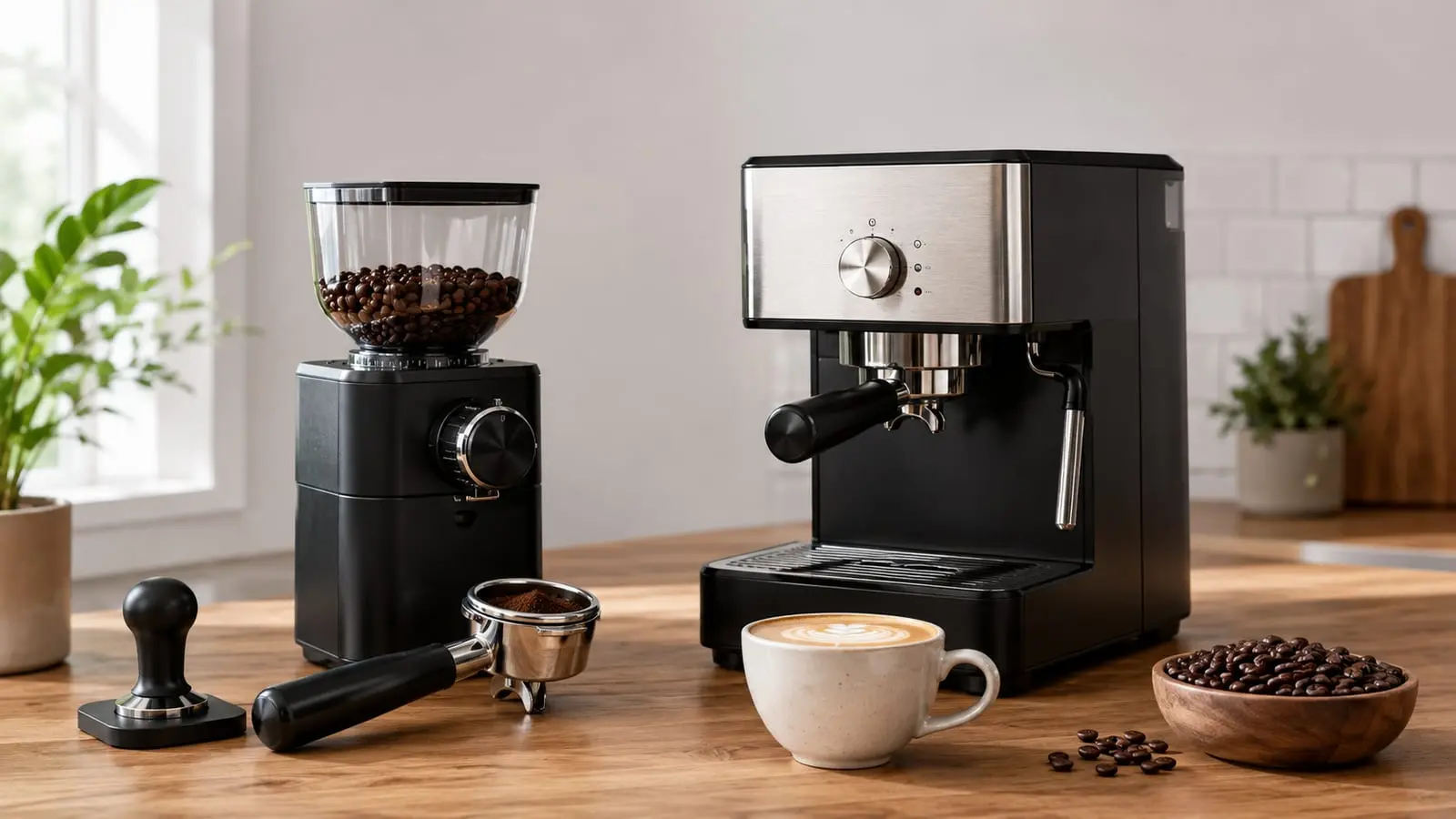
For espresso, most people prefer medium because the caramelized sugars give a fuller, sweeter shot that stands up to milk. Blonde espresso pulls lighter and brighter, more acidic, and a little less forgiving if your grind drifts.
Neither is wrong. A blonde shot in a latte tastes citrusy and clean; a medium shot tastes like caramel and cocoa. If you're new to pulling shots, start with medium and dial in from there. Try blonde once your grind is consistent.
For filter and pour-over, blonde shines. The lighter roast shows off the clarity and fruit that brighter methods pull out. Grind fresh right before you brew either way, because that does more for the cup than the roast label ever will. Not sure where to start? Browse the best beans for your cup.
FAQ
Does blonde roast taste sour?
It can if it's underbrewed, but done right it tastes bright, not sour. Blonde's higher acidity reads as citrus and crispness. If your cup tips into puckering sourness, grind a touch finer or brew a little longer to pull more out of the beans.
Is medium roast less bitter than blonde?
They're bitter in different ways. Blonde carries more acidity and almost no roast bitterness; medium adds a mild bitter edge from caramelization that balances its sweetness. If bitterness bothers you, both beat a dark roast, and medium usually feels the most rounded.
Can I use blonde roast in a drip machine?
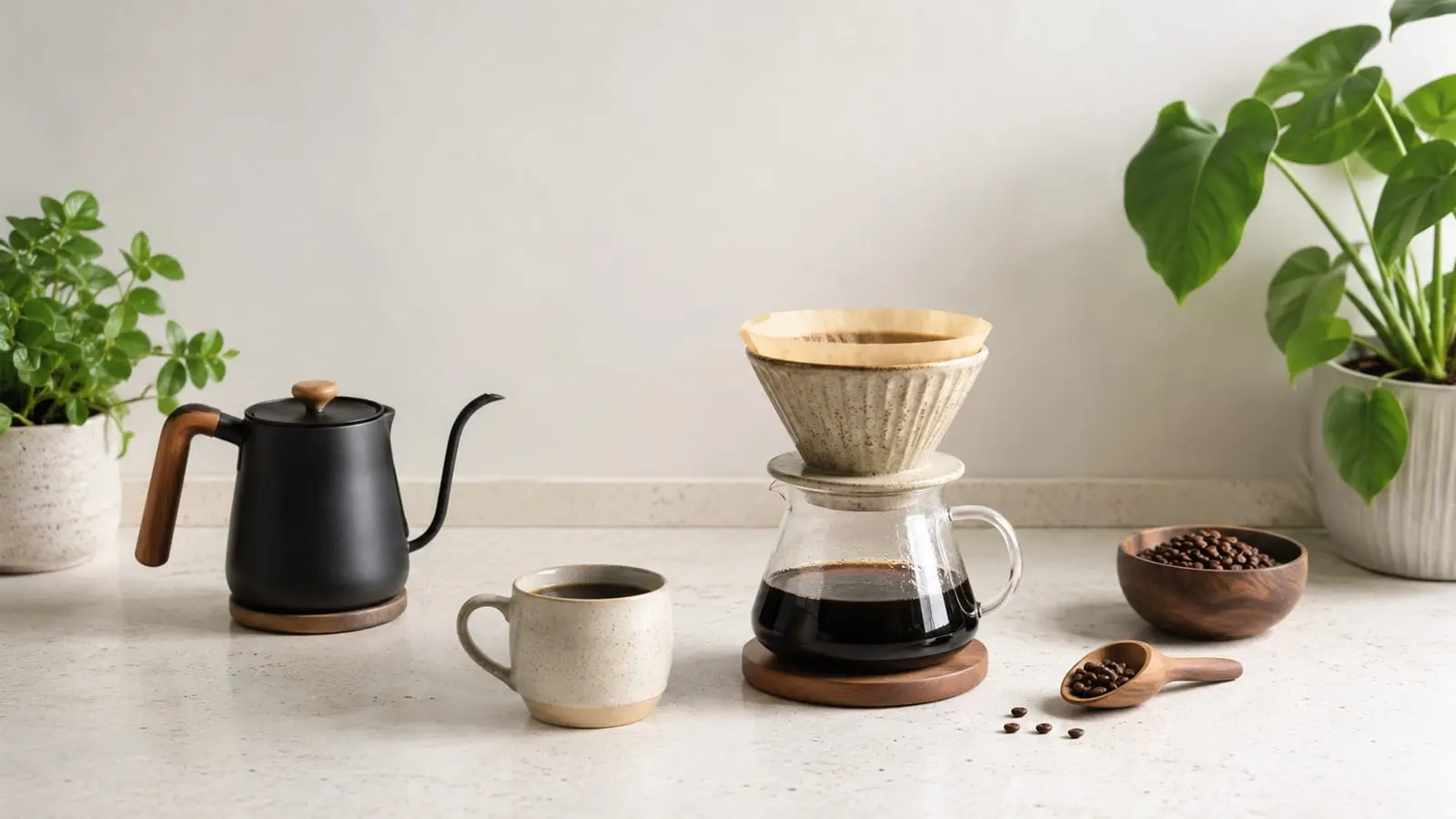
Yes, and it's a great match. Drip and pour-over highlight the clarity and fruity notes that blonde does best. Use a medium grind and water just off the boil, then taste and adjust; if it's thin, add a little more coffee next time.
Why does dark roast look oily but blonde doesn't?
Longer, hotter roasting draws the bean's oils to the surface, so dark beans look shiny. Blonde stops well before that point, which is why the beans stay dry and pale. A dry surface isn't a flaw; it's a sign of a lighter roast.
Which roast is better for beginners?
Medium, hands down. It's the most forgiving of grind, water, and timing mistakes, and its sweet, balanced flavor pleases almost everyone. Once you've enjoyed a few medium bags, branch out to blonde to see if you like the brighter, fruitier side of coffee.