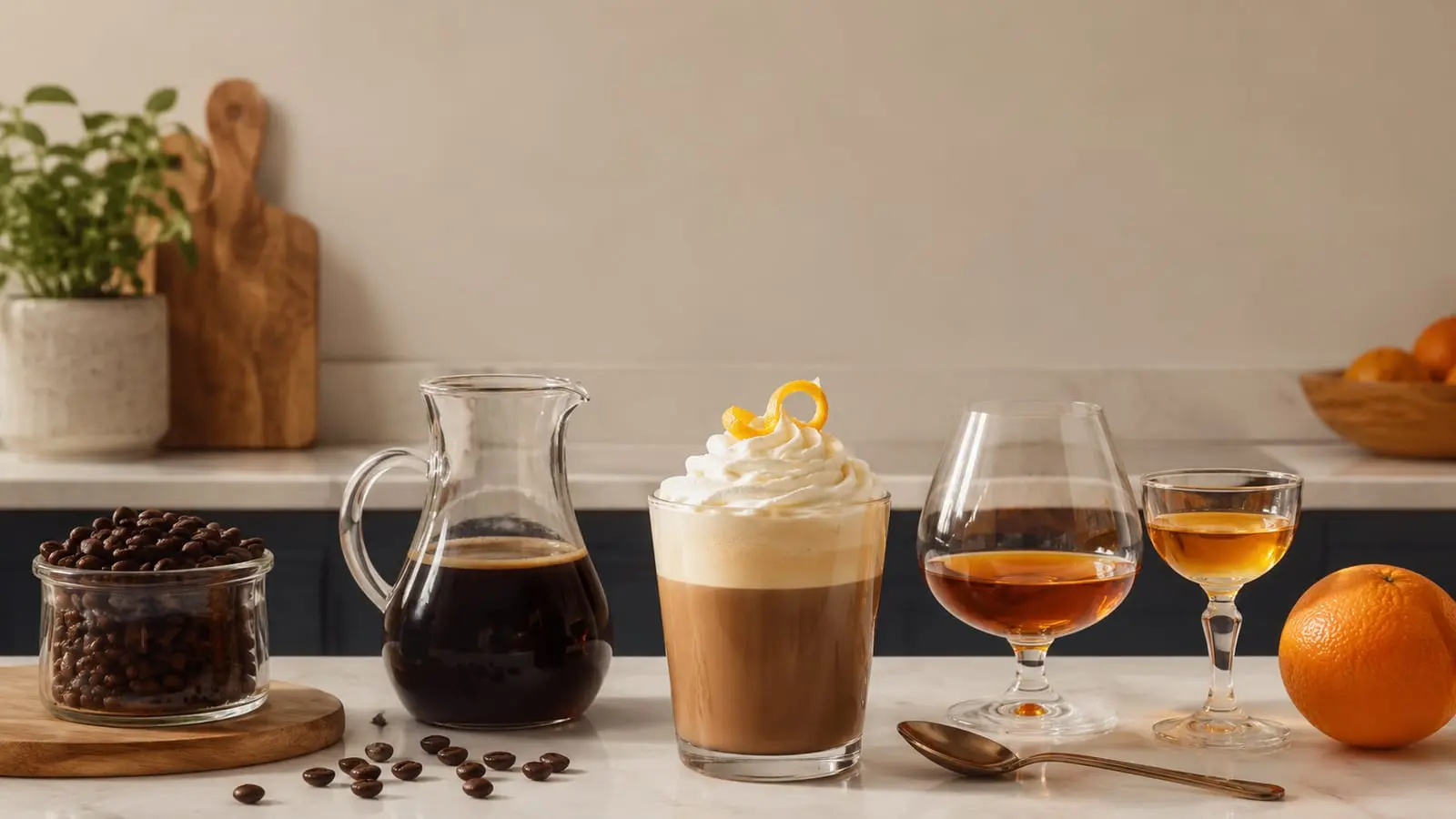
The best coffee for slow sipping is a small, strong, sweet one you can't rush, and cafe bombon is my top pick. It's equal parts espresso and sweetened condensed milk, stacked into a clear glass, and the whole point is that you take your time. Sip it slow and the coffee cools through its full flavor range, spreads your caffeine out so you skip the crash, and asks nothing of you but a spoon and patience. You don't need special gear, just fresh coffee, a correct ratio, and the willingness to taste each sip instead of gulping it.
Last updated: 2026-07-28
Popularity of homemade Spanish coffee recipes, especially the perfect cafe bombon recipe, has surged by 150% in the past year. It's no wonder, given the marriage of bold espresso and rich, sweetened condensed milk that this sweet espresso drink offers. Cafe bombon is a little taste of Spain you can make at home, and it requires no special barista skills. I first found it on a trip to Valencia, where it became my go-to treat. Since then, I've perfected my homemade Spanish coffee recipe, savoring the indulgent simplicity it brings to my daily routine.

Cafe Bombon
Ingredients
Method
- Prepare the glass: Take a clear glass to showcase the beautiful layers.
- Add condensed milk: Pour 1 ounce of sweetened condensed milk into the bottom of the glass.
- Brew espresso: Brew a shot of strong espresso using an espresso maker.
- Layer the espresso: Slowly pour the espresso over the back of a spoon to create a separate layer on top of the condensed milk.
Notes
Why does sipping coffee slowly change the way it tastes?
Coffee tastes like a different drink at 160 degrees than it does at 120, so a slow session hands you three or four cups in one. Hot coffee leads with bitterness and roast. As it cools, sweetness and acidity step forward, and you start catching the fruit or caramel notes that scalding heat flattens.
Gulp it while it's steaming and you taste mostly temperature. Sip it slowly and the flavor opens up on its own. This is why baristas keep tasting a brew as it cools before they call it dialed in. You can do the same thing with any cup.
So slow down on purpose. Take a small sip, let it sit on your tongue a second, and notice what changed since the last one. That's the entire skill. A bright, balanced coffee rewards this more than a dark roast, because there's more going on to find.
When slurping helps and when to just sip
Slurping is a tasting tool, not table manners, and it has one job: pull air through the coffee so it hits more of your tongue at once. Professional tasters do this at the cupping table, where they slurp loudly off a spoon to spread a thin layer across the whole palate. The aeration lifts aroma and makes subtle flavors easier to catch.
For your morning cup, quiet sipping is usually better. Slurping cools and aerates fast, which is great for judging a coffee and unnecessary when you just want to enjoy one. Save the loud slurp for when you're comparing beans or trying to name what you're tasting.
If you want to try the tasting version, use a spoon, keep the sip small, and pull air across it like you're cooling soup. You'll notice more. You'll also annoy anyone nearby, so read the room.
Drinking speed and the caffeine crash
Sip slowly and you spread the caffeine over the whole session instead of dumping it in at once, which smooths the peak and softens the drop. Caffeine from a fast-downed cup floods in, spikes hard, and clears out around the same time, leaving you flat. A slow cup feeds it in steadily, so the lift lasts longer and lands gentler.
Think of it as pacing, not rationing. You're drinking the same amount of coffee either way. You're just changing when it arrives.
Here's the practical version:
- Gulping a large coffee: sharp early buzz, earlier crash, more jitters if you're sensitive.
- Sipping the same coffee slowly over a long session: steadier energy, milder comedown, easier on an empty stomach.
- Sipping something sweet like cafe bombon: the sugar hits first, the caffeine trails it, so the whole thing feels smoother than black coffee slammed fast.
None of this is a health claim. It's just how a slower delivery feels compared to a fast one. If afternoon crashes wreck you, drinking slower is the first free fix to try.
What is cafe bombon coffee and where does it come from?

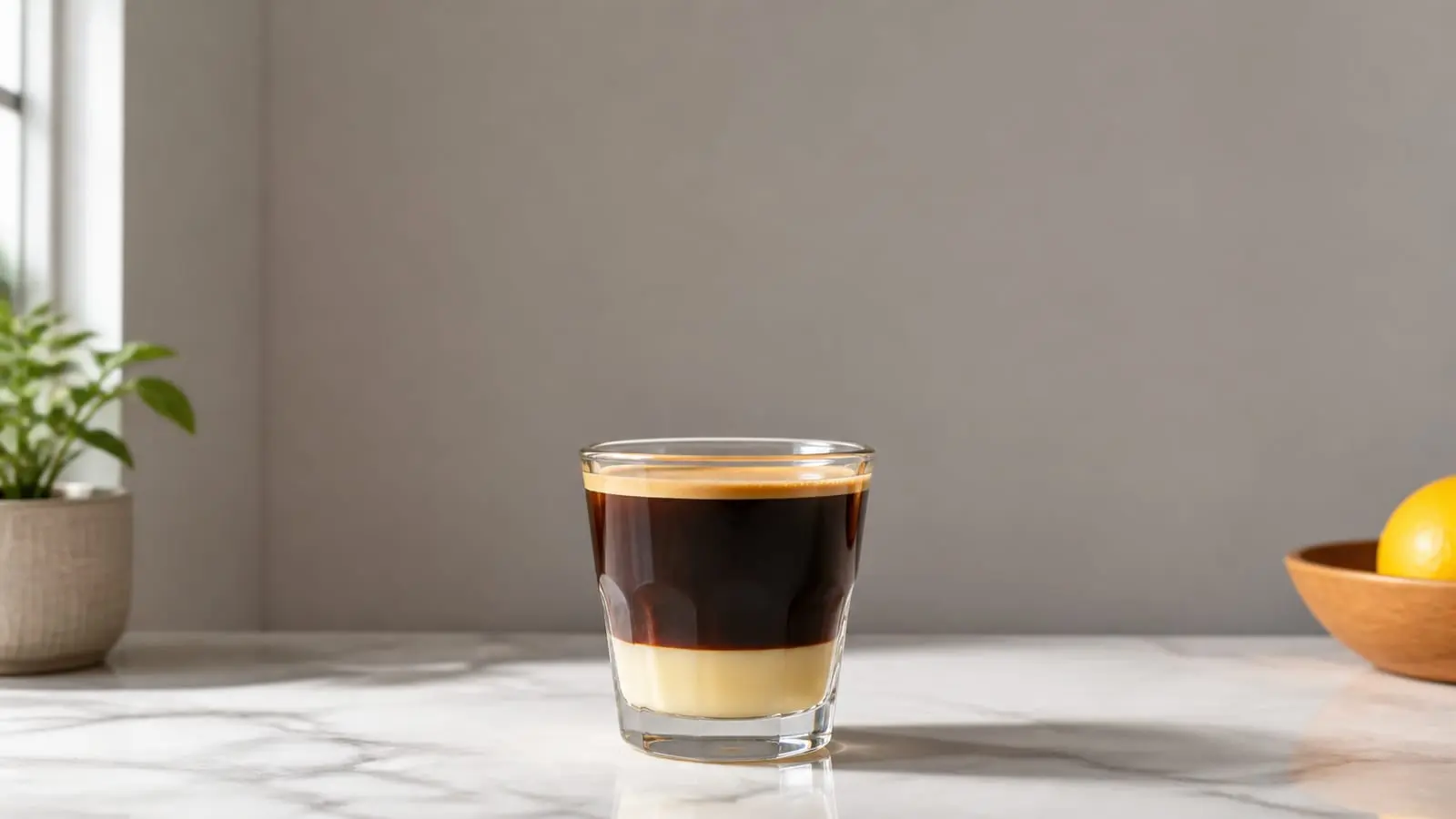
Cafe bombon originated in Valencia, Spain, and it's built from just two things: espresso and sweetened condensed milk, poured in equal parts so they stack into clear layers. The name points at the look, a small sweet thing you want to stare at before you drink it. Spanish bon bon coffee, coffee bombon, cafe bombon coffee: same drink, different spellings.
What makes it bombon is the ratio, roughly one part condensed milk to one part espresso. Too much milk and it's a syrup. Too little and it's just sweetened espresso. The even split is the whole identity of the drink, and it's why the layered look matters. The condensed milk sits heavy on the bottom, the espresso floats dark on top, and you get a striped glass that's as much fun to look at as to drink.
Valencia has deep coffee traditions, and this one spread past the city on the strength of that look and that first sweet, bitter sip. It went from local cafes to kitchens worldwide because it's simple and it delivers. You stir it together right before drinking, and the layers melt into a silky, dessert-like cup.
Making cafe bombon at home without special gear

You need an espresso, sweetened condensed milk, and a small clear glass, and that's the entire kit. No fancy machine required. A stovetop moka pot or even strong stovetop-brewed coffee stands in fine if you don't own an espresso maker, as long as it's concentrated enough to hold its own against the sugar.
The condensed milk goes in first because it's heavier, so it stays put on the bottom. Pour the hot espresso slowly over the back of a spoon and it floats on top instead of crashing through. The spoon trick is the only technique here, and it's easy. Clear glass matters only because the layers are half the pleasure.
Ratio is where people go wrong, so taste and adjust. If it's cloying, back off the condensed milk a little next time. If it's sharp and thin, add a touch more. Once the layers are set, stir it well before drinking, then sip it slow and let the sweetness fade into the espresso as it cools. Cafe bombon requires no special barista skills, which is exactly why it's a good drink to learn on.
If you like this style of small, sweet espresso drink, a cortado made with equal parts espresso and warm milk is a natural next stop, and a cafe con leche for slower mornings scales the same idea up into a bigger cup.
A few ways to change it up
- Spice it: a pinch of cinnamon or a scrape of nutmeg on top adds warmth without fighting the sweetness.
- Swap the milk base: condensed oat or coconut milk works for dairy-free, though the flavor shifts sweeter and slightly nutty.
- Add a splash of vanilla: a few drops in the espresso deepen it without turning it into dessert soup.
- Go easy on extras: the drink is already sweet, so pile on syrups and you bury the coffee. One addition at a time.
Keeping your coffee warm while you sip
Pour less into a warmer cup and your coffee holds its heat far longer than a full mug going cold on the counter. A big thin cup dumps heat fast. A smaller, thicker-walled cup or a pre-warmed one keeps the coffee in its good range while you take your time.
Warm the cup first with a splash of hot water, then tip it out before you pour. That one step buys you several extra minutes of drinkable temperature. It costs nothing and works every time.
A few more things that help across a slow session:
- Pour a smaller volume so you finish it before it turns cold and dull.
- Keep it out of a draft, because moving air strips heat quickly.
- Skip the giant travel mug for tasting, since it holds heat so well the coffee scalds past its best flavor window.
For a sweet drink like cafe bombon, temperature does double duty. Warm espresso melts into the condensed milk cleanly, while a cooled-off pour stays gluey and won't blend. Serve it warm, stir, and drink it before it drops too far.
FAQ
Is cafe bombon meant to be stirred or sipped in layers?
Stir it, then sip. The layers are for looks and for that first striped photo. Once you've admired it, mix it fully so every sip carries both the espresso and the sweetness. Drinking it unstirred gives you a mouthful of syrup up front and bitter coffee at the end.
Can I make cafe bombon ahead of time?
Not really. It's a two-minute drink built to be made and drunk fresh. The espresso should be hot to melt into the milk, and it separates and turns flat if it sits. Prep is pointless here; just make it when you want it.
Why does my coffee taste better as it cools?
Heat masks flavor. Very hot liquid numbs your tongue slightly and pushes bitterness forward, so the sweeter, fruitier notes only show up once the cup drops below scalding. That's the whole argument for sipping instead of racing to the bottom.
Does sipping slowly actually mean less of a caffeine crash?
It spreads the caffeine out rather than reducing it, so the rise and fall are gentler than from a fast-downed cup. You get the same total amount, just delivered over more time. For a lot of people that alone softens the mid-afternoon dip.
What can I use if I don't have an espresso machine for cafe bombon?
A moka pot is the closest cheap stand-in, and strong stovetop or Aeropress coffee works if you brew it concentrated. The only rule is that it has to be bold enough to stand up to the condensed milk. Weak drip coffee gets swallowed by the sugar and the drink falls flat.