Most harsh cold brew gets fixed before the water ever touches the grounds. If you're working out how to make cold brew less acidic, start with medium-to-dark roasted beans, grind them coarse, and steep a strong concentrate in the fridge overnight. Then dilute it to taste. That handles nearly every sharp batch, and pricey gear or "low-acid" labels come last, if at all.
Low-Acid Cold Brew Coffee
Ingredients
Method
- Grind the beans coarse, using the French press setting if you grind at home.
- Put 1 cup of the grounds in a 1-quart mason jar.
- Pour in 4 cups of cold or room temperature water.
- Stir gently so all the grounds get wet.
- Put the lid on and let it steep for 12 to 24 hours.
- Strain through a fine-mesh sieve, lined with a coffee filter if you want it cleaner.
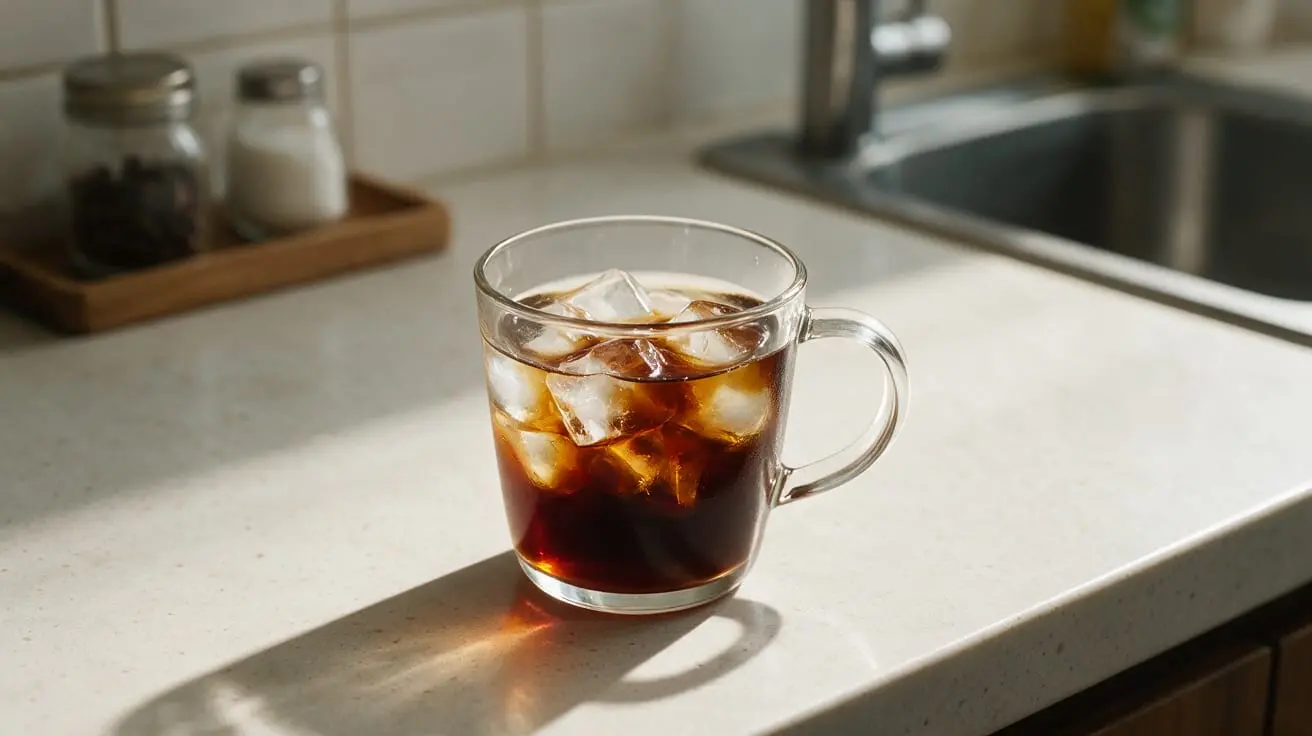
- To serve, fill a glass with ice and pour in the concentrate.
- Dilute with cold water at about 1:1, then add milk and sweetener if you like and stir.
How do you make cold brew less acidic?
Use a medium to medium-dark roast, grind it coarse, and steep it in the fridge for about 12 hours. Strain it through a paper filter, then dilute the concentrate with water or milk. If it still tastes sharp, stir in the tiniest pinch of baking soda. Hands-on prep takes just a few minutes, and the fridge does the slow part.
Change the four things that control extraction, in this order. Extraction just means how much flavor the water pulls out of the grounds. Each of these does more than any gadget you could buy.
- Beans: medium to medium-dark roast, recently roasted, from a soft, sweet origin like Brazil or Sumatra.
- Grind: coarse and even, about like rock salt.
- Steep: long and cold in the fridge, then strain on time.
- Filter and dilute: pass it through a paper filter, then add water or milk until it tastes smooth.
Do those four and most people stop noticing the acidity. If a batch still bites, a tiny pinch of baking soda can rescue it. That's a patch, though, and it won't save bad beans.
Start with beans that are naturally gentler
Roast level is the biggest lever you have. A review of how coffee chemistry changes during roasting found that light roasts carry the strongest acidity, and acidity drops as the roast goes darker. So a light Kenyan that sings in a pour-over will taste tart and thin as cold brew. Go medium to medium-dark instead, where you get chocolate, caramel, and toasted nut.
Origin and processing come next. Brazilian and Sumatran coffees tend to taste softer and heavier, with less snap. Washed coffees, where the fruit is stripped off before drying, usually taste cleaner and brighter, so they push acidity forward. As a result, a Brazilian natural or a wet-hulled Sumatra makes an easy first bag.
Freshness still counts. Stale beans taste flat and papery, and people often mistake that dullness for sourness. Buy whole beans with a recent roast date and grind them right before you brew.
Skip the darkest, oiliest beans, too. They're low in acidity, but a long steep turns them ashy and bitter. Bitterness feels harsh on the tongue, so you've traded one problem for another.
Grind coarse and weigh your ratio
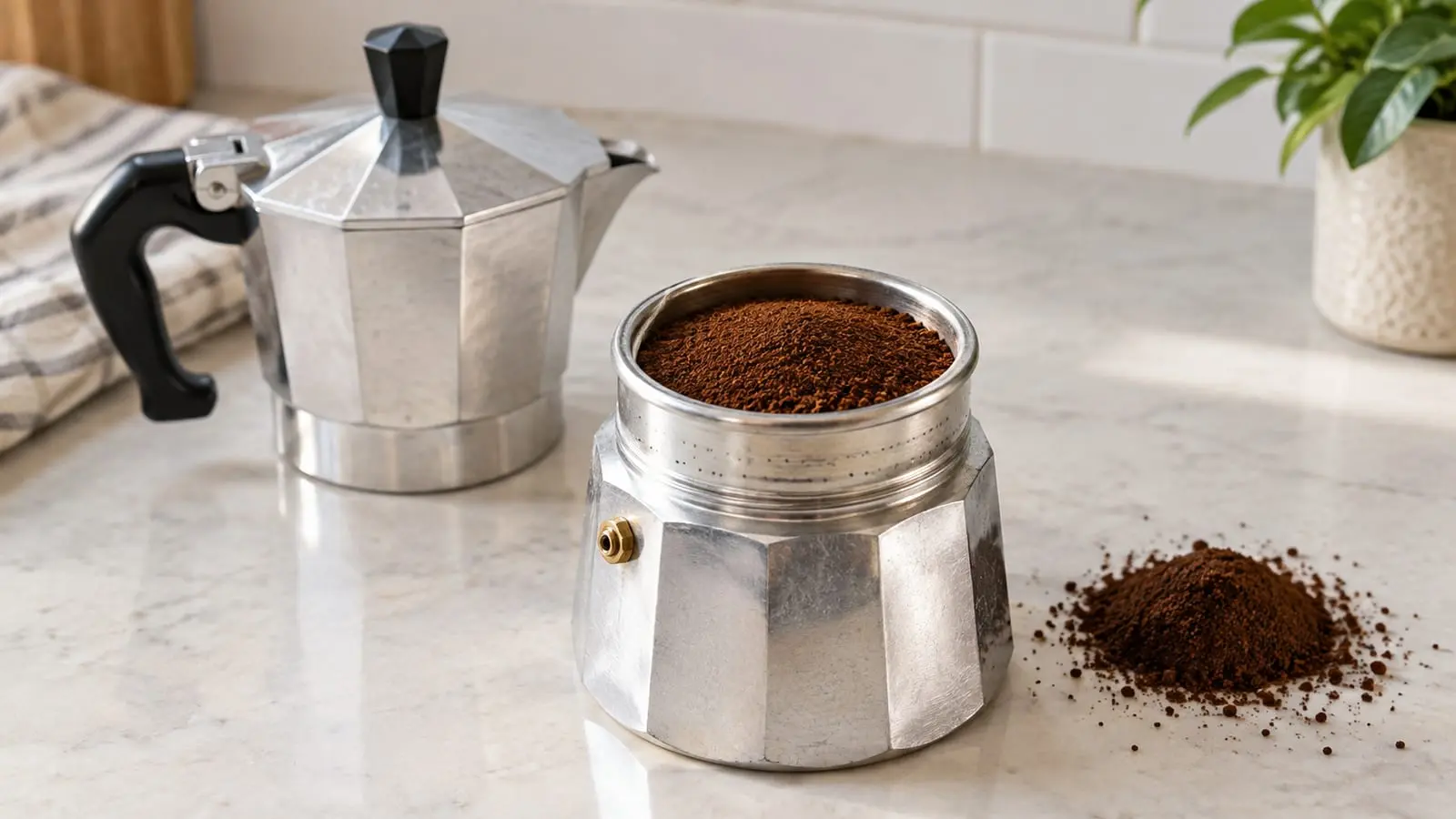
Grind coarse and keep it even. Fine particles extract fast, so a fine grind drags out sharp, bitter flavors and leaves sludge in the jar. A burr grinder gives you consistent pieces.
A blade grinder, however, makes a mix of dust and chunks that over- and under-extract at the same time. If that's all you have, pulse in short bursts and shake the fine powder out through a sieve.
Next, weigh your ratio. The National Coffee Association (NCA) brewing guide puts cold brew at 1:4 to 1:5 by weight, coffee to water. That makes a strong concentrate, which is what you want, because you'll dilute it later. Scoops vary too much with grind size, so use a kitchen scale.
You can brew ready-to-drink cold brew by using more water up front. It works, but it's harder to dial in, since you can't fix the strength after you strain. I'd brew concentrate every time.
Steep long enough, then stop
Steep in the fridge for the full time the NCA guide lists. An easy rhythm is to start it at dinner and strain it after breakfast. A fridge runs colder than most kitchens, and colder water extracts more slowly. So if your first taste comes up thin, give it a few extra hours rather than grinding finer.
Here's how the flavor moves with time:
- Too short: thin, grassy, and a bit sour, because the sweet, heavier flavors haven't come out yet.
- In the window: chocolatey, round, and balanced.
- Too long: woody, bitter, and flat.
Taste before you strain. Spoon out a little concentrate, add a splash of water, and sip. If it's thin and tart, give it a stir and wait a little longer. If it's already heavy and bitter, strain now and steep shorter next time.
Filter twice for a smoother cup

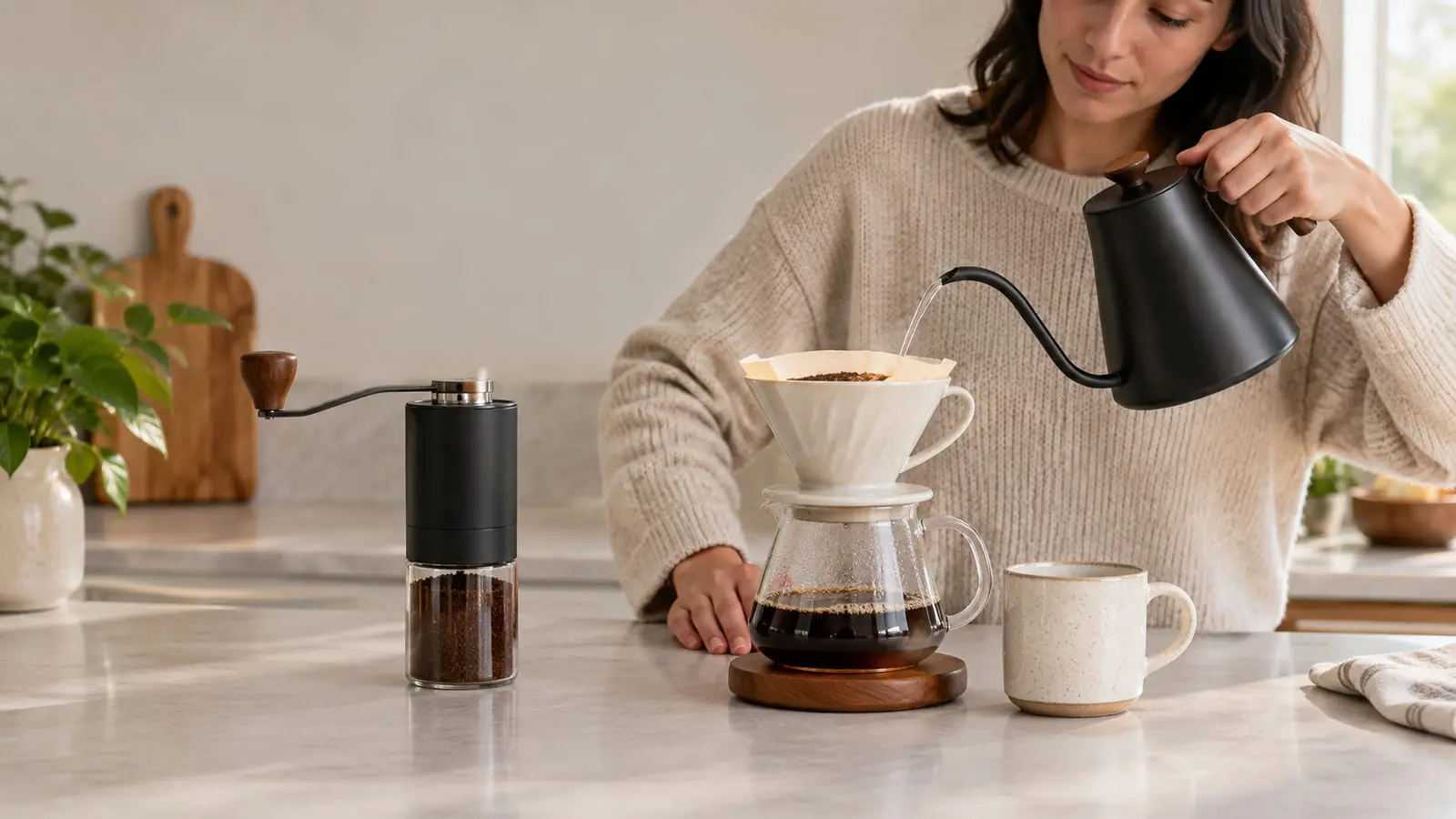
Strain in two passes. First, pour through a fine mesh sieve or cheesecloth to catch most of the grounds. Then run it through a paper coffee filter. The paper catches the fines, the tiny particles that keep extracting in the jar and leave a gritty, bitter edge.
The paper pass is slow, so let gravity do the work. Don't squeeze the grounds or the cloth, because pressing pushes muddy, bitter flavor straight into your concentrate. Any drip cone or pour-over holder works here, and you don't need a dedicated cold brew system.
Dilute the concentrate instead of pushing extraction
Control strength in the glass. Steeping longer or grinding finer for a stronger cup pulls out harsher flavors, which is exactly what you're trying to avoid. So keep the concentrate balanced and adjust it after you strain.
Water keeps the coffee's own flavor clear. Milk does more for acidity, though, because its fat rounds off sharp notes and leaves the cup silky. Whole milk gives the richest result, oat milk adds gentle sweetness, and almond milk stays light but can taste thin.
Start with less water or milk than you think, taste, and add more. Ice dilutes as it melts, so leave a little room for that. A little sweetener softens sourness too, but a sweet sour coffee is still sour.
Baking soda is a last-resort fix
Use baking soda only to rescue a finished batch that's still too sharp. Baking soda is alkaline, so it neutralizes some of the acid in the coffee. Add the smallest pinch you can pick up to the whole jar, give it a stir, and taste.
Go tiny. Too much makes coffee taste salty, soapy, and flat, and you can't take it back. Add a second pinch only if the first wasn't enough.
It has real limits. It can't fix stale beans, a sloppy grind, or an overlong, bitter steep. It only trims the sour edge off coffee that was otherwise decent. If you reach for it every batch, go back and change your beans.
Why does cold brew taste less acidic than hot coffee?
Cold brew usually tastes smoother because cold water extracts differently from hot. Heat pulls bright, sharp acids and bitter compounds out quickly. Cold water works slowly and leaves more of those harsh notes behind, so the cup tastes rounder and sweeter.
Taste and chemistry don't line up perfectly, though. Rao and Fuller's 2018 study compared cold and hot brew, with the cold version made at room temperature, 20 to 25 °C or colder. They found titratable acidity, a measure of the total acid in the cup, was comparable between the two.
So "low-acid" cold brew is mostly about how acidity tastes. pH measures how strong the acids are, titratable acidity measures how much acid there is, and perceived acidity is what your tongue reports. Cold brew wins clearly on the last one, and that's the one you drink.
Is cold brew easier on reflux or a sensitive stomach?
Many people with a touchy stomach find cold brew easier to drink, so it's worth a try. Still, a smoother taste doesn't guarantee a calmer gut. Coffee can trigger reflux however it's brewed, and triggers vary a lot from person to person.
Test it simply. Drink a small, diluted glass with food and see how you feel. If caffeine seems to be the problem, try decaf beans brewed the same way. If reflux keeps coming back, talk to your doctor, and read the National Institute of Diabetes and Digestive and Kidney Diseases guide to acid reflux for other causes and treatments.
What lower acidity means for teeth and antioxidants
A gentler-tasting drink may be a little kinder to tooth enamel, but don't count on much. Total acid can land close to hot coffee, as that study showed. For that reason, how often you sip and what you add matter more.
Slow sipping over hours keeps your teeth bathed in acid, and sugary syrups feed the bacteria behind cavities. Finish your glass in one sitting when you can, and rinse with plain water afterward.
Cold brew still contains coffee's antioxidants, the plant compounds coffee is known for. Hot coffee has them too, so don't switch brewing methods for that reason alone.
When a low-acid coffee product is worth buying
Buy a low-acid product when convenience matters more than control. Ready-made concentrates save you the overnight wait. Meanwhile, beans sold as low-acid can be a shortcut if you can't find a good medium-dark roast nearby.
Read the bag closely. Look for a roast date, the origin, and the roast level. Some "stomach-friendly" beans are steamed or treated to cut acids, and a few taste flat as a result. Brands rarely say how they measured acidity, so treat the claim as a hint and judge by taste.
Even a good product won't fix a sloppy routine. If you're learning how to make cold brew less acidic at home, a coarse grind, a weighed ratio, and the right steep time beat any special badge on a bag.
Taste, adjust, and write down the batch that works
Change one thing per batch and write it down. Otherwise you'll never know which move helped. Keep a short note with:
- Bean, origin, roast level, and roast date
- Grind setting
- Ratio
- Steep time and where it steeped
- How much water or milk you added in the glass
- Taste notes: sour, bitter, thin, smooth, sweet
Then use this table to pick your next change:
| It tastes | Likely cause | Change this next batch |
|---|---|---|
| Sour and thin | Too short a steep or too light a roast | Steep longer, or switch to a darker roast |
| Bitter and harsh | Grind too fine or steep too long | Back off a click coarser, or strain sooner |
| Muddy or gritty | Fines left in the jar | Add the paper filter pass |
| Flat and papery | Stale beans | Buy fresher beans and grind right before brewing |
| Weak | Too much dilution | Use less water or milk in the glass |
When a batch tastes smooth, sweet, and easy to drink, that's the sweet spot. Copy the note and brew it exactly the same way next time.
Variations, swaps, and storage

Once the base is smooth, flavor it. Creamy and warm pairings suit low-acid cold brew best: vanilla, cinnamon, maple, or a splash of oat milk. Fruit brings acid back in, so balance it with care.
The calamansi cold brew guide shows how to keep citrus from turning the cup sour. The pomegranate cold brew cooler leans on a mellow base to carry tart juice.
For swaps, decaf beans brew the same way and work well for evening glasses. Pre-ground coffee labeled for French press or cold brew is fine in a pinch, as long as it's fresh. For more base recipes to try your smooth concentrate in, see these overnight cold brew recipes.
Store the strained concentrate undiluted in a sealed jar in the fridge. Mix each glass fresh, so you can adjust strength every time. Over several days it slowly turns flat, so brew amounts you'll finish soon.
FAQ
Does a pinch of salt make cold brew less acidic?
Salt doesn't neutralize acid. It does mute bitterness, and a few grains can make a harsh glass feel softer. Add salt to a single glass, never the whole jar, so you can stop before it tastes salty.
Can I still use light roast beans for cold brew?
Yes, if you enjoy bright, fruity coffee. Expect berry and citrus notes plus more tang. Cutting it with whole milk or oat milk tames that, and a slightly longer steep adds sweetness.
Does decaf cold brew have less acid?
Decaf mainly removes caffeine. How acidic it tastes still depends on the bean, the roast, and your brewing. Choose decaf if caffeine is what bothers your stomach, and keep the other habits the same.
Do crushed eggshells really reduce acidity?
It's an old campfire trick, and there's some logic behind it, since eggshells are alkaline. Still, it's messy, hard to measure, and the shells must be cleaned well first. A tiny pinch of baking soda does the same job with far more control.