A café misto is brewed coffee and steamed milk poured half and half, and that 1:1 balance is the entire cafe misto recipe. You do not need an espresso machine or a trip to the counter. A drip pot or a French press plus a cheap handheld frother gets you a warm, creamy cup that tastes like the coffeehouse version for pennies. If you cherish those slow morning cups, this is the one to learn first.
Last updated: 2026-07-24
The magic here is proportion, not gear. Nail the ratio and even ordinary drip coffee turns into something worth sitting down for. Let me walk you through what it is, how to build it, and where your money actually matters.

Cafe Misto
Ingredients
Method
- rew the Coffee: Start by brewing 1 cup of coffee using your preferred method, such as a French press or drip coffee maker. Aim for a coffee-to-water ratio of 1:15 for a balanced flavor.
- Froth the Milk: While the coffee is brewing, heat 1 cup of milk to about 150°F (65°C). Froth the milk using a frother, steam wand, or by shaking it in a jar until it becomes creamy and velvety.
- Combine: Pour the brewed coffee into a mug, filling it halfway. Slowly add the frothed milk, ensuring an even blend between the coffee and milk.
- Add Sweetener and Flavor: If desired, sweeten your cafe misto with sugar, honey, or flavored syrup. You can also sprinkle some cinnamon or add a drop of vanilla or caramel syrup for extra flavor.
- Enjoy: Stir gently and enjoy your homemade cafe misto, savoring the creamy, rich flavor.
Notes
Milk Options: Whole milk creates a traditional creamy texture, but non-dairy options like almond, soy, or oat milk work well too.
Customization: Feel free to adjust the coffee-to-milk ratio or experiment with different flavors to make the drink your own.
What is a café misto, and how is it different from a latte?
A café misto is the same drink as a French café au lait: equal parts brewed coffee and steamed milk. "Misto" just means "mixed" in Italian, and it is the name a coffee shop uses for it. So a caffè misto, a misto coffee drink, and a café au lait all point at the same warm, mellow cup.
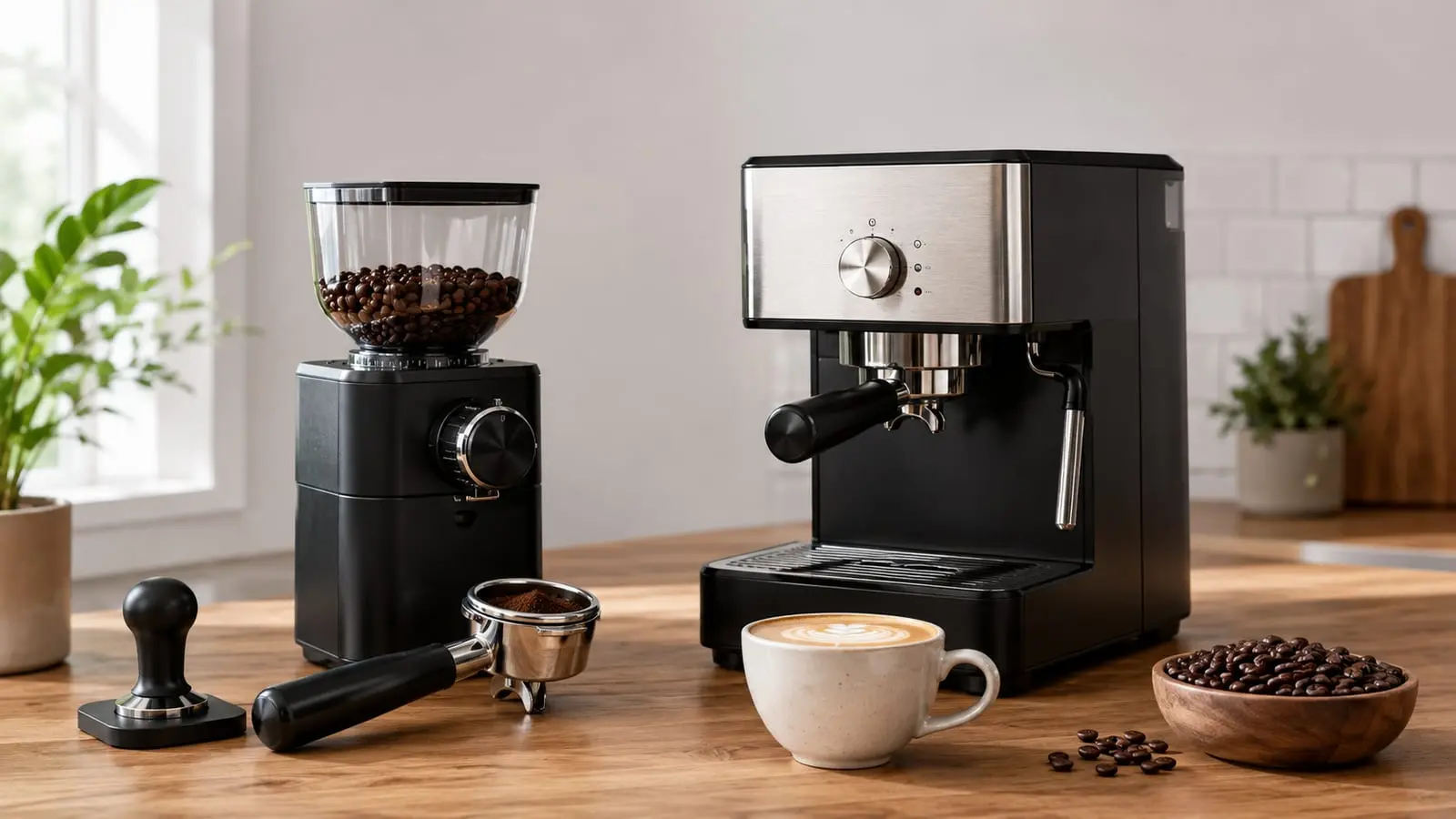
The difference from a latte is the coffee base. A latte is built on espresso, so it is small, punchy, and concentrated under the milk. A misto starts with a full pour of drip coffee, which makes it lighter, gentler, and bigger in the cup.
Because there is no espresso, a misto tastes cleaner and less intense than a latte. You get the coffee's own character with a soft, creamy body on top. If you like a lot of liquid and a smooth sip, this is your drink. For a closer look at the classic French take, see my simple café au lait recipe.
The one ratio that makes or breaks it

Equal parts coffee and steamed milk. That is the whole rule, and it is the official Starbucks caffè misto proportion of coffee to milk. Fill your cup halfway with brewed coffee, then top it with the same amount of frothed milk.
Get this right and everything else is forgiving. Go heavier on coffee and you get a stronger, more bitter cup with less cream. Go heavier on milk and the coffee fades into a warm glass of milk. Neither is wrong, but the 1:1 split is the balanced starting point. Taste as you go and shift it a little once you know what you like.
Proportion beats every ingredient upgrade here. Fancy beans in a lopsided ratio still taste off. Ordinary beans at 1:1 taste right.
How do you make a cafe misto recipe at home?
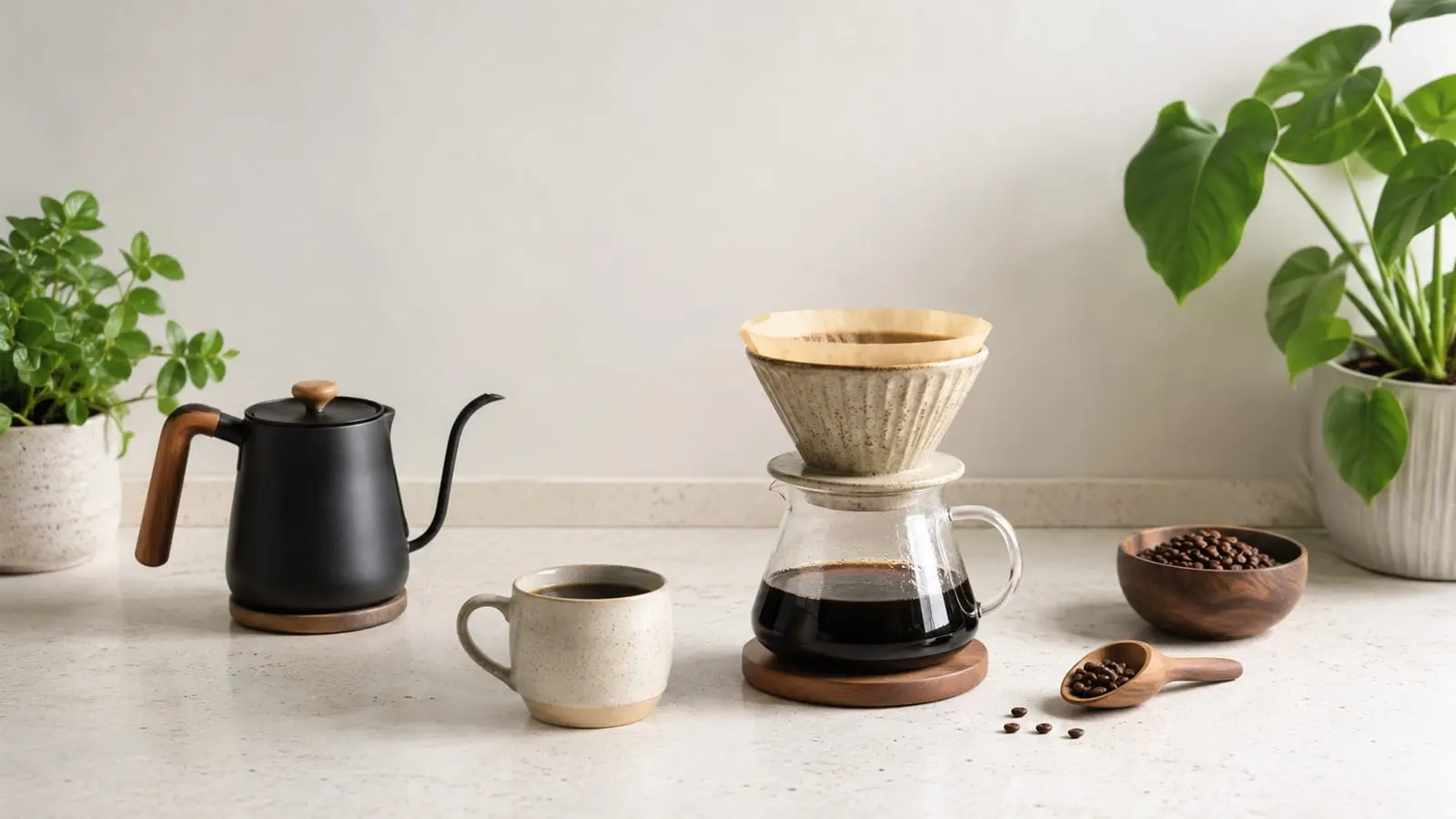
Brew your coffee first, because it is the backbone of the drink. A French press or a drip maker both work well. Brew it a notch stronger than you would drink it black, since the milk is about to soften every flavor.
Then heat and froth your milk. The target is around 65 degrees Celsius for the milk in a misto, which is warm and velvety without scalding. Hot enough to steam, not so hot it tastes cooked or turns thin. A handheld frother spins it into microfoam in seconds.
Pour the coffee into your cup about halfway, then add the frothed milk to fill it. Pour slowly so the foam floats instead of sinking. That is it. The recipe card below has the exact amounts and timing.
If you want the coffeehouse foam without any machine, a cheap handheld frother is the one piece of gear worth buying. It gives you steamed-quality microfoam for the price of a couple of lattes. You can skip everything else.
Which milk makes the best café misto?
Whole milk. It froths into a thick, glossy foam and brings a natural sweetness that no other milk matches, so it is the gold standard for a misto. There are plenty of dairy-free options, almond, soy, and oat milk among them, and they suit different diets, but they do not all froth the same way.
Here is how each one actually behaves in the cup:
| Milk | Froth | Verdict |
|---|---|---|
| Whole milk | Thick, glossy | The richest, sweetest cup. My default. |
| Oat milk | Clean, stable | Best non-dairy swap. Does not fight the coffee. |
| Soy milk | Good, holds air | Solid and a little nutty. A safe pick. |
| Almond milk | Thin, splits easily | Works, but it argues with a medium roast. |
Oat milk is the one I reach for when I skip dairy. It froths cleanly and stays creamy without pushing its own flavor over the coffee. Almond milk can taste watery and go grainy against a darker cup, so save it for when it is the only carton in the fridge.
Vanilla, and when flavors help or hurt
A splash of vanilla syrup makes a lovely misto, and a vanilla soy misto is a genuinely good order. Caramel, hazelnut, and a sprinkle of cinnamon or nutmeg all work too. Personalizing your café misto is half the fun, so experiment until you land on your own blend.
But be honest about why you are adding them. Syrup should round out a good cup, not rescue a stale or bitter one. If your coffee tastes harsh, fix the coffee first: fresher beans, a coarser grind, or a gentler brew. Then a little vanilla is a treat instead of a cover-up.
Go light with any add-in. A single measured pump reads as a hint of flavor; three pumps buries the coffee under sugar. Sweeten to taste and stop early.
Homemade versus the Starbucks version
Honestly, the gap is small, and most of it is the milk temperature and foam. A barista's steam wand gets that dense microfoam fast, but a handheld frother gets you close enough that most people cannot tell in a blind sip. The coffee itself is just brewed coffee, which you already make every day.
What you are really paying for at the counter is convenience and a heated cup. There is no barista secret to copy. The 1:1 ratio is public, the beans are ordinary, and once you own a frother the only cost is a spoonful of milk.
So make it at home when you want a slow, cheap, comforting cup. Buy the coffeehouse one when you are out and someone else is doing the dishes. Either way, you now know exactly what is in it.
For more milk-and-coffee builds in this family, try my café con leche for busy mornings or the smaller, bolder café cortado.
FAQ
Is a café misto the same as a café au lait?
Yes, they are the same drink under two names. Both mix equal parts brewed coffee and steamed milk. "Misto" is the Italian-flavored coffeehouse label; "café au lait" is the older French one.
Can I make a café misto with regular drip coffee?
Absolutely, and you should. Drip coffee is the correct base for a misto, unlike a latte that needs espresso. Brew it a touch stronger than usual so the milk does not wash it out.
What snacks go well with a café misto?
A flaky croissant or a scone plays beautifully off the mellow milk. For contrast, a square of dark chocolate or a plain butter cracker cuts the creaminess. Fresh berries keep it light.
Do I have to froth the milk?
No, but it is worth it. Warm milk stirred in plain still makes a perfectly good cup, just a flatter one. Frothing gives you the soft cap that reads as a coffeehouse drink, and a handheld frother does it in seconds.
How do I make my café misto stronger?
Shift the ratio toward coffee instead of buying pricier beans. Fill the cup a little past halfway with brew, then add less milk. You keep the creaminess but push the coffee flavor forward.
Related: Espresso Matcha Latte: A Vibrant and Earthy Fusion Drink
Related: Thyme Honey Latte with Steamed Milk