
Colombian coffee is Arabica, and here’s the real difference: Arabica names the coffee species, while Colombian names where the coffee grew. Colombian coffee is one expression of Arabica, shaped by mountain climate, soil, cultivars, processing, freshness, and brewing. So Colombian and Arabica aren’t competing bean types. One label tells you the family. The other tells you the address.
Last updated: 2026-08-26
Colombian coffee means Arabica beans cultivated in Colombia. Arabica coffee can come from many countries, so the two labels describe different parts of the same coffee.
Is Colombian coffee Arabica, and what’s the real difference?
Yes. Colombian coffee is predominantly Arabica grown in Colombia.
That still doesn’t mean every Arabica coffee is Colombian. Arabica is grown across many countries, and each origin brings its own growing conditions and flavor range. Colombian coffee sits inside the larger Arabica category, the same way a particular apple variety comes from a broader fruit family.
Colombia is the world’s third-largest coffee producer. Its expected production is 12.5 million bags in marketing year 2025/26, and much of its reputation rests on Arabica grown in varied mountain regions.
Arabica means species; Colombian means origin
Arabica is a botanical species, Coffea arabica. It describes the plant and the beans it produces. Arabica coffee makes up 75 percent of the world’s production and usually has about 1.5% caffeine.
Colombian is a geographic label. It means the coffee was cultivated in Colombia, though a bag may contain beans from one region or a blend of several Colombian regions.
You can learn more about the species through the Coffea arabica reference. The useful distinction is simple:
- Arabica: the coffee species.
- Colombian: the country where it grew.
- Colombian Arabica: Arabica coffee cultivated in Colombia.
The labels answer different questions. One describes the plant’s genetic family. The other points to the growing place.
What is Colombian Arabica coffee?
Colombian Arabica coffee is Arabica cultivated across Colombia’s coffee regions and sold by its country of origin. The beans can come from different cultivars, elevations, farms, and processing methods.
That variety matters. Colombia isn’t one giant farm producing one identical flavor. A Colombian coffee from one region may taste bright and fruity, while another leans toward cocoa, nuts, or brown sugar.
The country label gives you a useful starting point. It doesn’t finish the job. Check the roast date, processing method, region, and tasting notes before you decide what belongs in your grinder.
The labels answer different questions
The real comparison is Colombian Arabica against Arabica from another origin. Ethiopia, Kenya, Brazil, and Colombia can all produce Arabica, but they don’t grow it under the same conditions.
Here’s the practical split:
| Label | What it tells you | What it can suggest |
|---|---|---|
| Arabica | The coffee species | Lower caffeine and a wide flavor range |
| Colombian | The country of origin | A common range of sweet, balanced flavors |
| Colombian Arabica | Species plus origin | Arabica character shaped by Colombian conditions |
| Single origin | The coffee comes from one stated origin | More specific regional identity |
| Blend | Coffee from multiple origins or lots | A designed balance rather than one place’s character |
Arabica tells you more about the bean’s genetic family. Colombian tells you more about its growing environment. Neither label guarantees freshness or a good roast.
That last part gets ignored because “Arabica” looks like a quality stamp. It isn’t. Stale Arabica still tastes stale.
The practical buying answer
Colombian coffee belongs within the broader Arabica category. It isn’t a separate species, and it isn’t automatically stronger, smoother, or better than every other Arabica coffee.
The phrases Arabica coffee versus Colombian coffee, Colombian versus Arabica, and difference between Arabica and Colombian coffee all point to the same answer. You’re comparing a species with an origin.
If you want an everyday cup with sweetness, moderate brightness, and enough body for milk, Colombian Arabica is a sensible place to start. If you want floral, wine-like, citrusy, or intensely berry-driven flavors, another Arabica origin may suit you better.
Flavor comes from more than species
Arabica can taste floral, fruity, nutty, chocolatey, bright, or mild. The species sets a broad range. It does not lock every coffee into one flavor.
Several choices shape what reaches your cup:
- Genetics: Cultivars set different flavor potential, so the species name alone leaves plenty out.
- Growing conditions: Altitude, temperature, rainfall, and soil change how the fruit develops.
- Processing: Washed, natural, and honey processing leave different impressions in the cup.
- Roast level: Light roasting preserves more origin character. Dark roasting brings smoke and bitterness forward.
- Freshness: Old ground coffee loses its sweetness and detail.
- Brewing: Ratio, grind size, water, and brew time can rescue or ruin good beans.
Arabica coffee has an average pH of 4.8 to 6.0. That number doesn’t tell you how sharp the cup will taste, though. Perceived acidity is also shaped by the bean, roast, and extraction.
A light Arabica can taste like citrus and tea. A medium roast can taste like caramel and nuts. A dark roast can taste smoky and bittersweet, with little origin character left.
Why Colombian coffee tastes the way it does
Colombian coffee gets its usual profile from a mix of geography and farm decisions. The country’s coffee-growing areas include mountain terrain, varied climates, different soils, and many local growing conditions.
Altitude slows cherry ripening and can help build sweetness and structure. Cooler conditions, rainfall patterns, and soil affect the plant across the growing season. Those factors create the raw material, but they don’t work alone.
Cultivar and harvest quality matter too. Ripe cherries bring better sweetness than a lot filled with under-ripe fruit. Careful sorting and processing protect that sweetness. Sloppy processing can flatten it before the coffee ever reaches the roaster.
Colombian coffee is commonly described as having sweet, chocolatey, and fruity notes with smooth medium acidity. That’s a useful expectation, not a promise printed into every bean.
Terroir and processing shape the cup

Terroir means the combined effect of a place’s soil, climate, and landscape on a crop. In coffee, it helps explain why the same species can taste different from one valley to another.
Processing comes after harvest. Producers remove the fruit from the seed in different ways, then dry the coffee before it is milled and roasted. Washed coffees often show clean, crisp flavors. Natural coffees can bring heavier fruit and a fuller impression. Honey processing can land between those styles.
Those descriptions are broad because farm practices vary. A Colombian natural coffee can taste more fruit-forward than a washed coffee from the same country. A dark roast can bury both differences under roast flavor.
The country on the bag matters. The processing method and roast date often tell you more about the cup you’ll actually drink.
For the full effect of place on flavor, read this guide to coffee terroir.
Read the bag before you brew
Use the labels this way when you shop:
| If you see this | Read it as | Your next move |
|---|---|---|
| Arabica | Species information | Look for origin, roast date, and processing details |
| Colombian | Country information | Check whether the bag names a region or uses a broad blend |
| Colombian Arabica | Species and country | Expect a Colombian profile, then read the tasting notes |
| Light roast Colombian | More origin character | Try it black or in a pour-over |
| Medium roast Colombian | More sweetness and body | Use it for drip, French press, or milk drinks |
| Dark roast Colombian | More roast flavor | Choose it if you like smoky, bitter, punchy coffee |
A label that only says Arabica leaves out the part that helps you predict flavor. A label that only says Colombian leaves out details about roast and processing.
The best buying language includes the origin, roast date, roast level, and process when available. “Premium” tells you almost nothing. A recent roast date gives you something useful to work with.
How to choose and brew Colombian Arabica

Start with fresh whole beans and a roast level that matches how you drink coffee. Medium roast is the safest starting point for Colombian Arabica because it keeps sweetness and fruit while adding body.
Then control the simple variables:
- Weigh the coffee and water. A ratio keeps the cup repeatable. Scoops vary, which is why the same coffee can taste different from one morning to the next.
- Grind fresh. Grind right before brewing, and choose a grind suited to your method.
- Use water just off the boil. Water that’s too hot can pull harsh bitterness.
- Taste before changing everything. Thin and sour usually needs more coffee or a finer grind. Heavy and bitter needs more water or a coarser grind.
- Change one thing at a time. Otherwise, you won’t know what fixed the cup.
You don’t need expensive gear to get the distinction right. A scale and a fresh grinder will do more than a machine covered in buttons.
If you want help choosing beans for a specific method, use this guide to best coffee beans for your cup.
How specific is the origin?
The phrases Arabica Colombia and Arabica Colombian coffee usually mean Arabica beans from Colombia. They narrow the origin, but they don’t guarantee one fixed taste.
A Colombian blend may combine beans from several parts of the country. A single-origin bag may focus on one named area or producer. Both can be Colombian coffee, but they may taste quite different.
Look for a regional name when you want more detail. Look for processing notes when you want to predict fruit or body. If the bag gives you none of that, judge it by freshness and taste rather than trusting the country label to do all the work.
Some drinkers should skip Colombian coffee. If you want intense floral notes, sharp berry acidity, or unusual fermentation flavors, a different origin may give you more of that character. If you want a balanced cup that works black or with milk, Colombian Arabica remains a strong choice.
The species split that actually matters
Arabica and Robusta are separate coffee species, so that comparison makes more sense than Arabica versus Colombian. Arabica generally tastes sweeter and more complex. Robusta tends to bring more bitterness, body, and caffeine.
Still, don’t turn that into another lazy rule. A well-produced Robusta can have a place in espresso blends, where extra body helps. A poor Arabica can taste flat, woody, and bitter.
For a deeper look at that real species comparison, read Arabica versus Robusta. For most drip, pour-over, and black coffee, fresh Arabica is the easier starting point.
The final verdict
Colombian coffee is Arabica by species and Colombian by origin. That is the entire answer to Arabica coffee versus Colombian coffee.
The flavor difference comes from Colombia’s growing regions, cultivars, processing choices, roast, freshness, and brewing. Colombian coffee often gives you sweet, chocolatey, fruity flavors with smooth medium acidity, but another Arabica origin can be brighter, more floral, or more intense.
Buy Colombian Arabica when you want a balanced starting point. Then taste and adjust. The label gets you close. Your ratio and grind finish the job.
FAQ
Is Colombian coffee stronger than other Arabica coffee?
Colombian origin doesn’t make coffee stronger by itself. Strength usually comes from the brew ratio, roast level, and extraction.
Use more coffee for a heavier cup. Use less for a lighter one. A dark roast may taste bolder, but that doesn’t mean it contains more caffeine.
Does Arabica guarantee high-quality coffee?
No. Arabica identifies the species, not the freshness, grade, roast quality, or storage conditions.
A fresh bag with clear origin information gives you more to work with. Once coffee is stale, the species label can’t bring back the sweetness.
Is all Colombian coffee single origin?
No. Colombian coffee can come from one stated region, several Colombian regions, or a blend that includes other origins.
Choose single origin when you want a more specific sense of place. Choose a blend when you want a steady, familiar flavor.
Which brewing method suits Colombian Arabica?
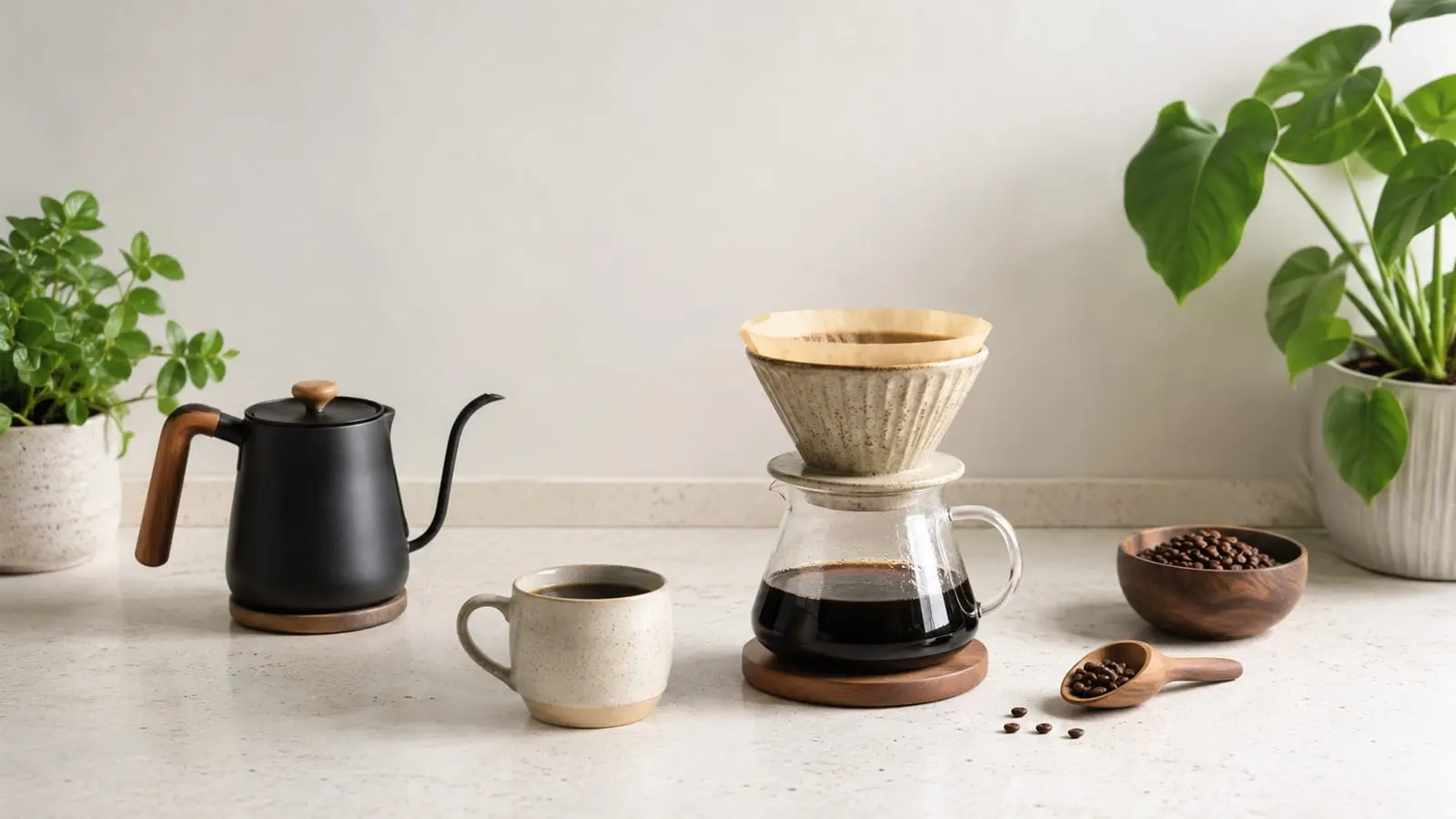
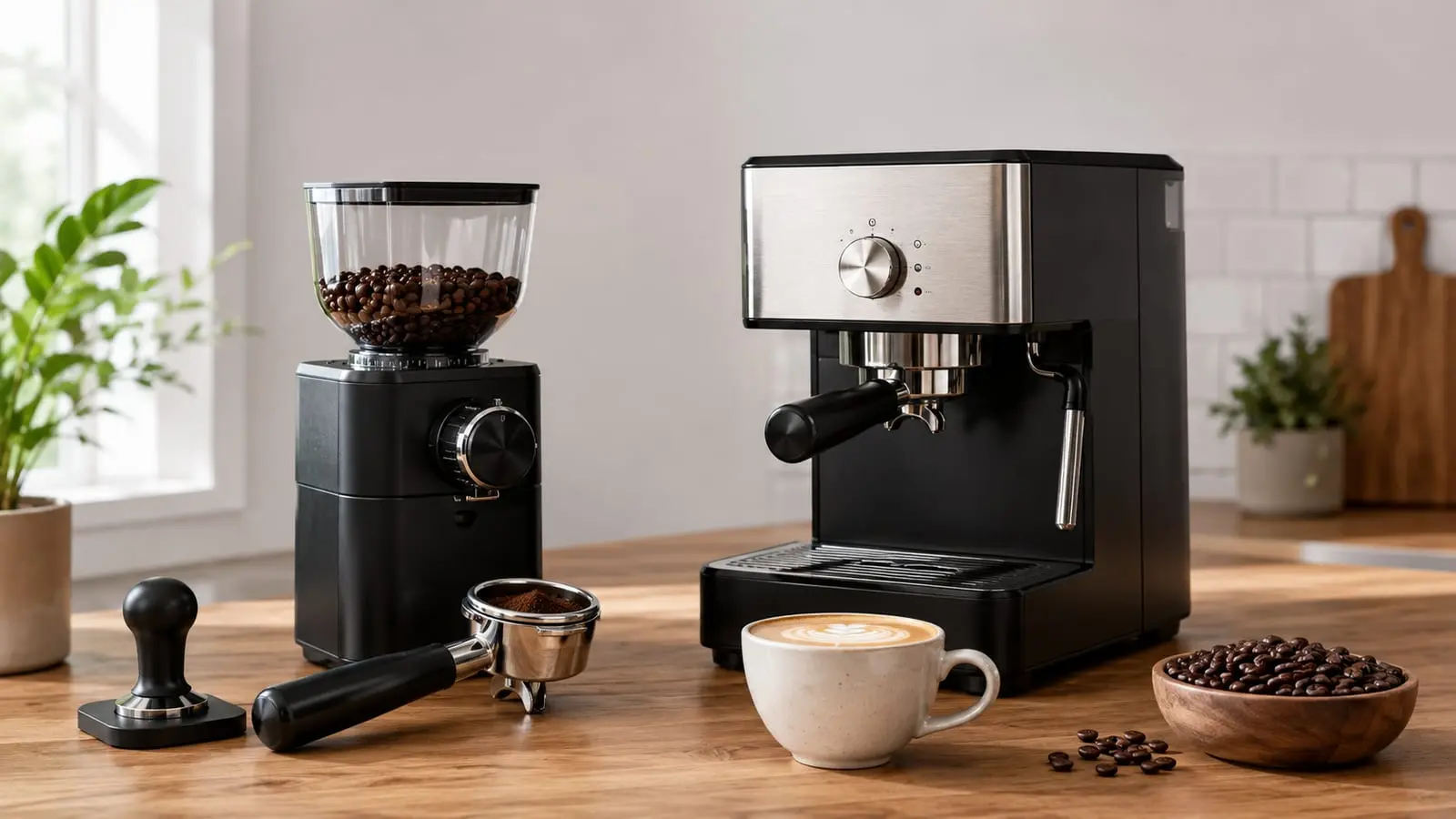
Drip and pour-over show its sweetness and balanced acidity clearly. French press gives it more body, while espresso and milk drinks bring out chocolate and roast notes.
There’s no required method. Start with the method you already use, then dial in the ratio and grind before buying new equipment.
Does Colombian coffee taste less acidic?
It often tastes smooth and moderate, but the country of origin doesn’t remove acidity. Roast, processing, freshness, and brewing all affect how bright the cup feels.
If your coffee tastes sharp, try a slightly darker roast or adjust the extraction. Don’t assume the word Colombian will solve a brewing problem.