Colombian coffee is best made simply: grind fresh Colombian beans, use about 1 to 2 tablespoons of coffee per 6 ounces of water, brew with whatever method you already own, and taste as you go. That's the whole Colombian coffee recipe. No cloth filter, no ceremony, no expensive machine required. The beans do the heavy lifting, so your job is to not get in their way and to sweeten it the Colombian way if you want the real thing.
Last updated: 2026-07-28
Whenever the scent of fresh coffee hits me, I think of Colombia's lush mountains. In my kitchen, I replicate this beloved taste every morning. I'm excited to share my Colombian coffee recipe with you. It's not just a drink, but a warm hug from a coffee-loving culture.

Colombian Coffee with Agua de Panela
Ingredients
Method
- Prepare Agua de Panela: In a small saucepan, dissolve panela in 1 cup of water over medium heat. Stir until fully dissolved and let it come to a simmer, then remove from heat.
- Brew the Coffee: In a French press, add 2 tablespoons of freshly ground Colombian coffee. Pour 1 cup of hot water (not boiling) over the coffee grounds. Let steep for about 4 minutes.
- Press and Mix: Slowly press down on the plunger of your French press, then pour the coffee into a cup.
- Add Agua de Panela: Stir in the agua de panela syrup into the brewed coffee. Adjust the sweetness according to taste.
- Serve: Enjoy as is or add milk or cream if desired.
Notes
What makes Colombian coffee different from other coffees?
Colombian coffee is almost all washed Arabica, grown high in the mountains, and that shows up in the cup as a clean, balanced brew with bright acidity and a sweet, nutty finish. You get flavors that lean toward caramel, red berries, and a little citrus, not the smoky heaviness of a dark roast. That balance is why Colombian beans are the safe, crowd-pleasing choice for most people.
The high altitude matters here. Beans grown up high mature slower, which builds more sugar and more of that wine-like sweetness people love. Colombia grows coffee across many small farms, and most of it is single-origin Arabica rather than a blend. So when a bag says "100% Colombian," you're getting one country's signature taste, not a mixed bag.
Don't expect Colombian coffee to taste like a bold, bitter espresso blend. It's built for clarity, not punch. If someone sells you a dark, oily "Colombian" roast, that heavy roast has burned off most of what makes the bean special. Buy it medium if you want the real character.
What do you need to make Colombian coffee at home?
You need less than the coffee aisle wants you to think. Here's the honest short list:
- Fresh Colombian beans, whole, with a roast date on the bag. This is the one thing worth caring about.
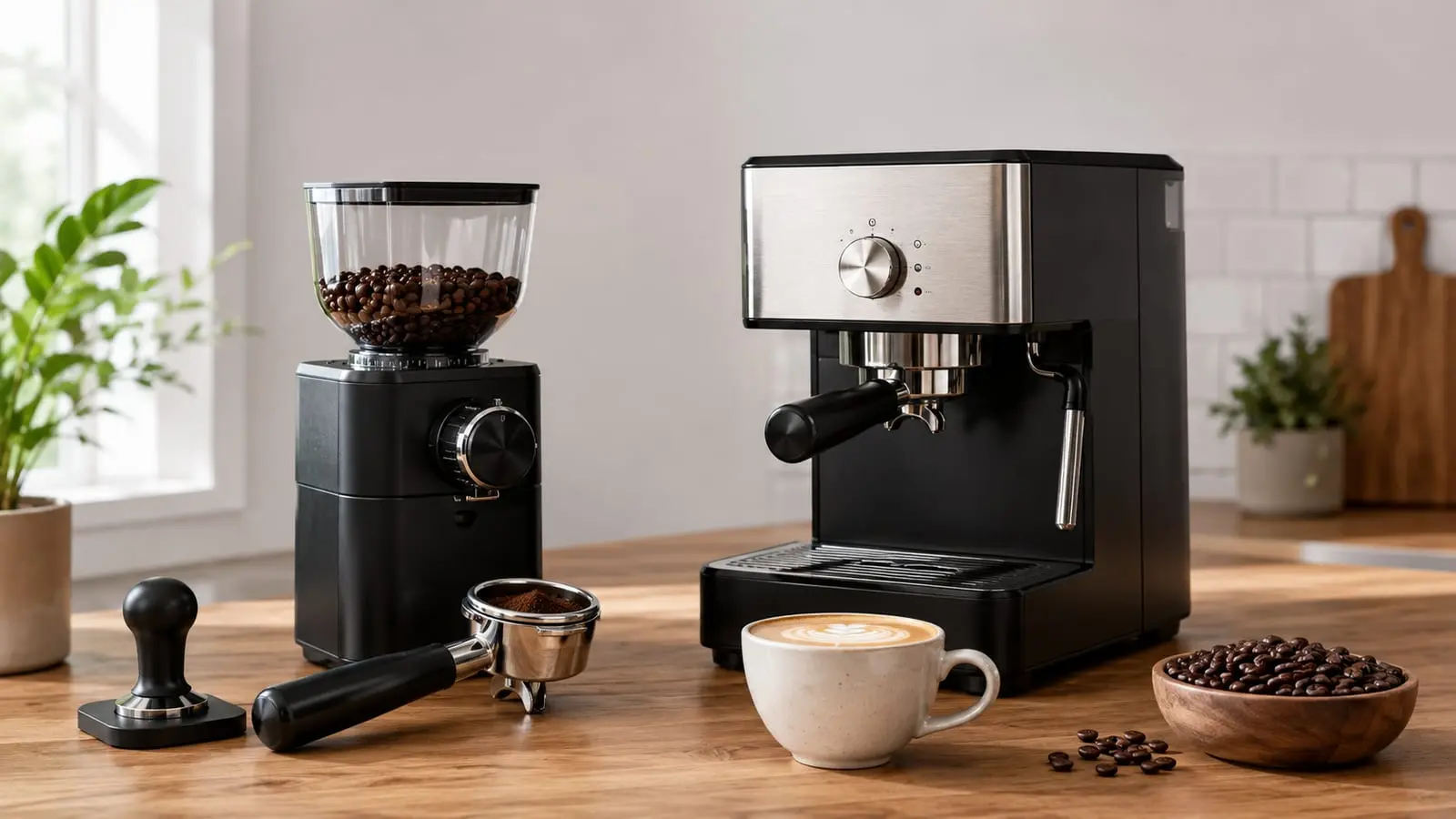
- A grinder, ideally a burr grinder for an even grind. A cheap blade grinder works in a pinch but grinds unevenly.
- A brew method you already own: drip machine, French press, pour-over cone, or moka pot. Any of them make great coffee.
- A scale or measuring spoon so you brew the same strength twice.
- Panela, if you want the traditional sweet version. More on that below.
That's it. You don't need a fancy setup to make this well. If you're going to upgrade one thing, make it the grinder, because grinding fresh beats every other gadget. Everything past that is comfort, not quality.
What is the best ratio for Colombian coffee?
Start at 1 to 2 tablespoons of coffee per 6 ounces of water, then adjust to your taste. That range covers most people: use the lower end for a lighter cup and the higher end when you want it stronger. Weigh or measure it the same way each morning so your coffee stops tasting different every day.
Taste tells you where to go from here. If your cup tastes thin and sour, add more coffee. If it tastes heavy and bitter, back off the coffee or add a splash more water. Colombian beans have enough natural sweetness that you rarely need much sugar to balance them once the ratio is right.
Grind size works with the ratio. Finer grind pulls more out of the beans, so a finer grind can turn bitter fast. If you nail the ratio and it's still harsh, back off a click on the grinder before you touch anything else.
How do you brew Colombian coffee step by step?

The method matters less than fresh beans and a steady ratio. Pick the one you'll actually use every morning. Here's how each shakes out.
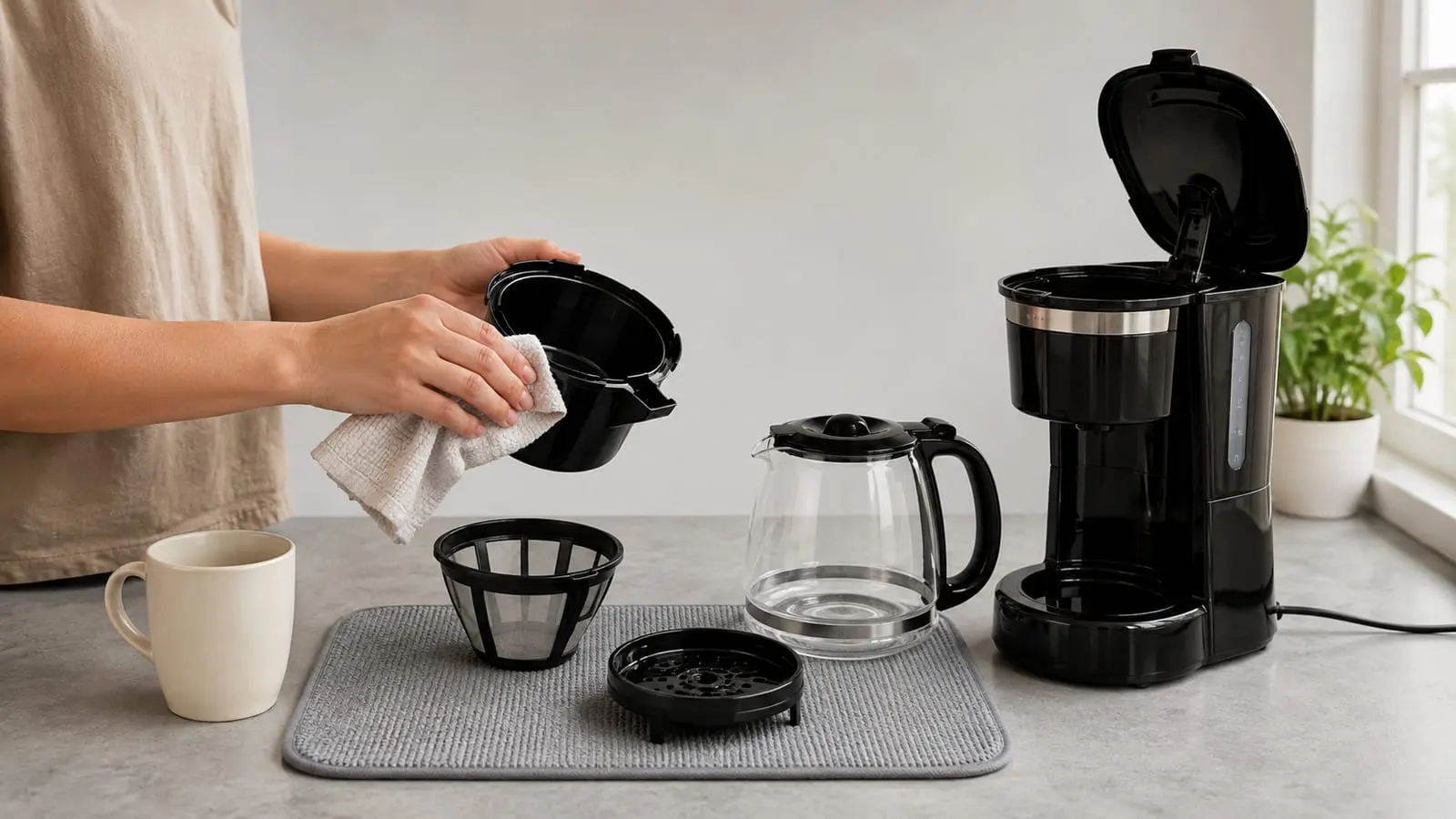
Drip machine. Add ground coffee to the filter, pour in water, hit the button. It's the most forgiving and hardest to ruin. Use a medium grind and the ratio above.
French press. Coarse grind, add water just off the boil, give it a stir, and let it steep. Press slowly after about four minutes. This gives you a rich, full-bodied cup and is beginner friendly.
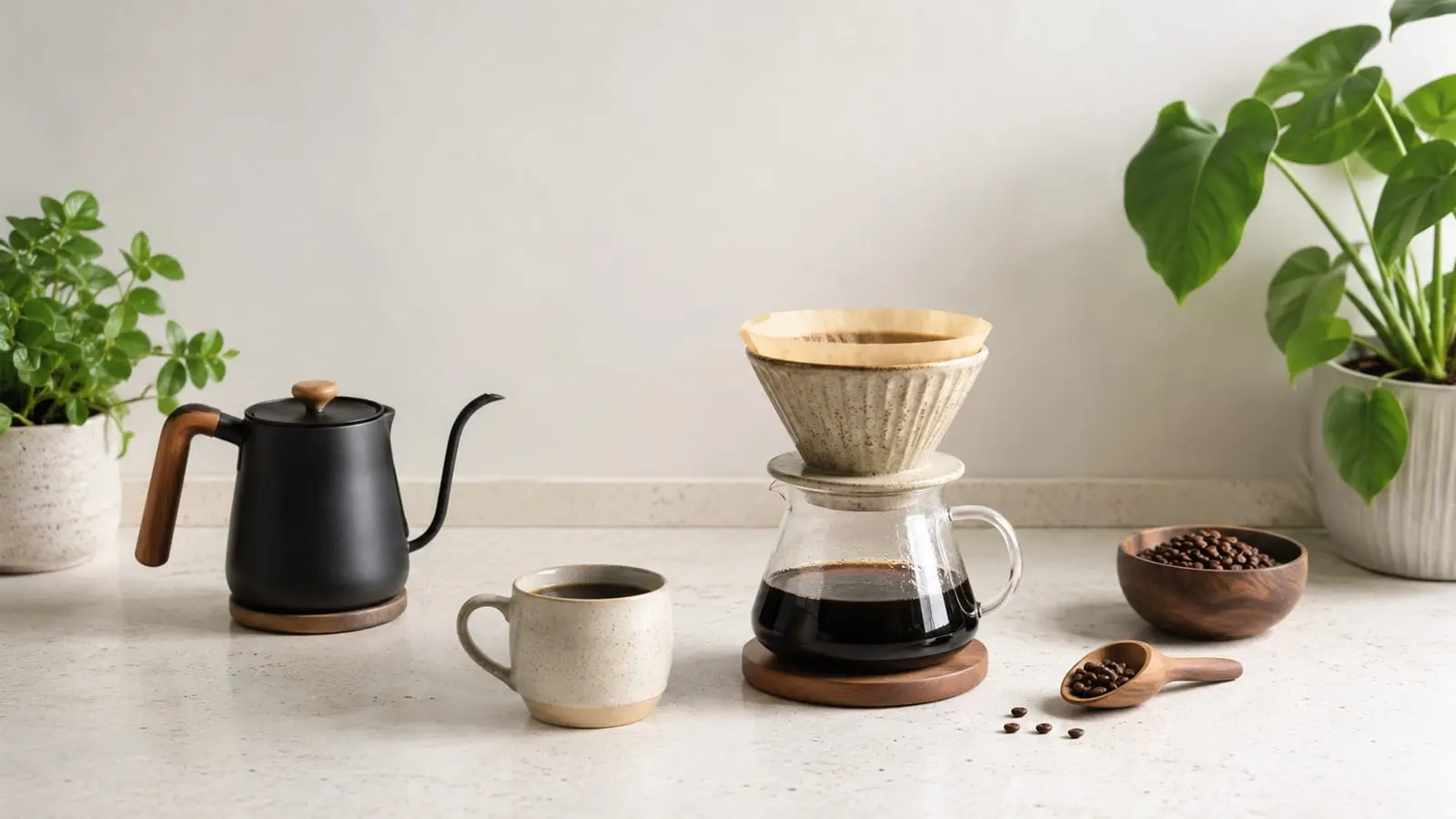
Pour-over. Medium-fine grind in a cone with a paper filter. Pour a little water first to let the grounds bloom for about thirty seconds, then pour the rest in slow circles. This method shows off Colombian coffee's brightness better than any other.
Moka pot. Fill the base with water, the basket with medium-fine coffee, and heat on the stove until it burbles. It brews strong, almost espresso-like, and is popular across Latin American kitchens.
One rule cuts across all four: use water just off the boil, not straight from a rolling boil. Water that's too hot scorches the grounds and turns the cup bitter.
How do you make a Colombian coffee drink with milk or panela?
The two everyday Colombian drinks are café con leche and café con aguapanela, and both start from the same brewed coffee you just made. Café con leche is strong coffee cut with hot milk, roughly half and half, sometimes sweetened. It's the soft, comforting morning version, and it's close to the café con leche served across the Caribbean too.
Café con aguapanela swaps the milk for sweet panela water. That's the drink that tastes most like Colombia to me. You can pour brewed coffee into warm aguapanela, or brew the coffee straight into it for a deeper blend. Both are common at home.
If you like these milk-forward and sweet styles, my café con leche recipe for mornings walks through the milk version in more detail. For another sweet, spiced take from the region, the Mexican café de olla uses raw sugar in a similar spirit.
What is café con aguapanela and how do you make it?

Café con aguapanela is Colombian coffee sweetened with aguapanela, which is water simmered with panela until the panela dissolves into a light syrup. Panela is unrefined whole cane sugar, sold in hard blocks or discs, with a deep molasses flavor that refined sugar just doesn't have. That molasses note is what pairs so well with Colombian Arabica.
To make it, you break off a piece of panela, simmer it in hot water until it fully dissolves, then stir that sweet water into your brewed coffee. Some people brew the coffee directly through the aguapanela for a richer result. Colombia's coffee culture around drinks like this earned the country's Coffee Cultural Landscape a spot on UNESCO's World Heritage list in 2011.
In this section, I'll share how agua de panela makes my Colombian coffee recipe special. It raises the brew to a cultural art form. This sweet element makes our coffee more than ordinary. Join me as we make the best Colombian coffee at home.
Go easy with the panela the first time. It's sweeter and more molasses-heavy than plain sugar, so a little carries the whole cup. You can always stir in more; you can't take it out.
How do you choose and store Colombian coffee beans?
Buy whole Colombian beans with a recent roast date, ideally within the last few weeks, and lean toward a light-to-medium roast. Those roasts keep the bright, fruity, nutty flavors that make Colombian coffee worth buying. A washed Colombian from a high-altitude region is a reliable starting point.
Skip the dark, oily beans if you want the real character. They'll taste flat and ashy and hide everything the origin has to offer. Whole bean, always, so you can grind right before you brew.
Storage is simple and people still get it wrong:
- Keep beans in an airtight container, away from light and heat.
- Don't store them in the fridge; it traps moisture and stale odors that dull the flavor.
- Buy only as much as you'll finish in a few weeks, because whole beans fade after roasting.
- Grind right before brewing, since ground coffee goes stale in minutes.
If you're curious about other single-origin beans after this, my notes on pink bourbon coffee cover a distinctive, fruit-forward variety worth trying.
What are common mistakes when brewing Colombian coffee?
Most bad cups come from a few fixable errors, not from bad beans. Here are the ones I see most.
Buying pre-ground or stale beans. Ground coffee loses its life fast. Fresh whole beans and a grinder fix more than any pricey machine.
Water too hot. Straight off a rolling boil scorches the grounds and makes the cup bitter. Let it sit a moment first.
Grind wrong for the method. French press wants coarse; pour-over wants medium-fine. A grind that's too fine for your method overextracts and turns harsh.
Guessing the amount. Scooping by eye is why your coffee tastes different every morning. Measure it.
Over-roasting the origin away. Reaching for the darkest bag defeats the point. Colombian coffee shines at light to medium.
Change one thing at a time when you troubleshoot, so you actually know what fixed it.
FAQ
Is Colombian coffee stronger than regular coffee?
Not really. Strength comes from your ratio and brew method, not the country. Colombian beans taste balanced and bright rather than heavy, so people often read them as smooth instead of strong. Add more coffee to the water if you want more punch.
Can I make Colombian coffee in a regular drip machine?
Yes, and it's a fine way to do it. A drip machine is the most forgiving method there is. Use a medium grind, fresh beans, and the ratio above, and you'll get a clean, sweet cup with no special gear.
Where can I buy panela for aguapanela?
Look in Latin American grocery stores or the international aisle of larger supermarkets, where it's sold as hard blocks or discs. If you can't find it, dark brown sugar or piloncillo gets you close, though the molasses depth won't be quite the same.
Do I have to use a cloth filter to make it authentic?
No. A cloth filter is traditional in many Colombian homes and gives a smooth, clean cup, but a paper filter or a French press works fine. Fresh beans and the right ratio matter far more than the filter.
How long does brewed Colombian coffee keep?
Drink it fresh; brewed coffee starts fading within the hour and turns flat and bitter as it sits on heat. If you want cold coffee for later, chill it in the fridge instead of leaving the pot warming, and finish it within a day or two.