Cuisinart makes genuinely solid coffee makers at prices that stay well under a car payment, and for most home brewers the brand lands in the sweet spot between reliability and value. The catch is that a few models earn their counter space while others pile on programmable features you will never touch. So the real skill with a Cuisinart coffee maker is picking the right one, not buying blind from a lineup that runs dozens deep. Below is which models are worth it, which to skip, and how to make any of them brew a better cup.
Are Cuisinart coffee makers worth buying?
Yes, for most people, with clear eyes about what you are getting. Cuisinart sits above gas-station-cheap drip machines and below the enthusiast gear that runs several hundred dollars. You are paying for consistent brew temperature, decent build, and parts you can actually replace when something cracks.
Durability is fair, not legendary. Treat the carafe and warming plate gently and a good model lasts years. Neglect descaling and the same model gums up and brews lukewarm in a season. These machines reward a little maintenance and punish none.
Where Cuisinart beats cheaper rivals is heat. A bargain-bin drip maker often brews too cool, which under-extracts and tastes flat. Where it falls short of pricier machines is precision and repair depth. You get a good daily cup, not a competition pour.
Match the type to how you actually drink coffee
Cuisinart splits into four camps, and picking the wrong camp is the most common mistake. Figure out how you drink before you shop.
- Drip (auto-drip): You brew a pot, you share it, you refill a travel mug. This is the core of the lineup and where the best value lives.
- Single-serve: You want one cup, fast, with no cleanup. Good for solo mornings and offices.
- Grind-and-brew: You care about freshness and want whole beans ground seconds before brewing. Fewer moving parts to love, more to clean.
- Espresso: You want shots, milk drinks, and you accept a learning curve. The riskiest bet of the four.
If you drink your coffee black and want a full pot, a drip machine is almost always the right answer. Everything else is a specialty tool with tradeoffs.
What sets the drip machines apart
Brew temperature is the whole game, and it is why the drip segment is where Cuisinart shines. The DCC-3200P1 PerfecTemp 14-Cup is my best all-around pick because it holds a proper hot brew and lets you nudge the temperature up if your cup tastes weak. It brews clean, it holds 14 cups, and there is little on it to break.
For a smaller kitchen, the DCC-1100BK 12-Cup does the important job without the bulk. It brews a properly hot, clean cup and takes up less counter. Skip the giant programmable models if two people drink from the pot.
Carafe choice matters more than the spec sheet suggests. A glass carafe on a warming plate keeps coffee hot but slowly cooks it bitter after the first half hour. A thermal carafe holds heat without the burner, so the last cup tastes like the first. If you sip slowly through the morning, pay up for thermal. If you drink the pot fast, glass is fine and cheaper.
Capacity is the other honest variable. A 14-cup machine brewing four cups often extracts unevenly because the shower head is built for a full basket. Buy close to the batch size you actually make.
Cuisinart espresso: smart buy or regret?
Buy it only if you genuinely want espresso and accept it will not pull café-quality shots. The EM-100 Espresso Maker produces respectable results if you dial in your grind and tamp with care. It froths milk, it makes a drinkable shot, and it costs a fraction of a real prosumer machine.
Here is the honest reality most listings skip. Entry-level espresso lives or dies on grind consistency, and the machine cannot fix a bad grind. Pair it with a burr grinder or you will get sour, thin shots no matter what you do.
If you mostly want strong coffee with milk, a good drip machine plus a cheap frother often beats a budget espresso setup and frustrates you less. Choose espresso because you love the ritual, not because you want convenience.
The single-serve question
Single-serve is worth the counter space only if it uses ground coffee, not just pods. The SS-10P1 Premium Single-Serve earns its spot because you can brew your own grounds in a reusable basket instead of getting locked into buying pods forever. It brews hot and fast, which is the whole point of single-serve.
Pod lock-in is the trap. A machine that only accepts one brand of pod hands the coffee company your wallet for the life of the machine. Look for models with a reusable filter cup so you can run whatever beans you like.
If you want both worlds, the SS-15BKSP1 pairs a single-serve side with a 12-cup carafe for when guests show up. It is the compromise pick when one person wants a quick cup and the household still needs a full pot.
Do built-in grinders really help?
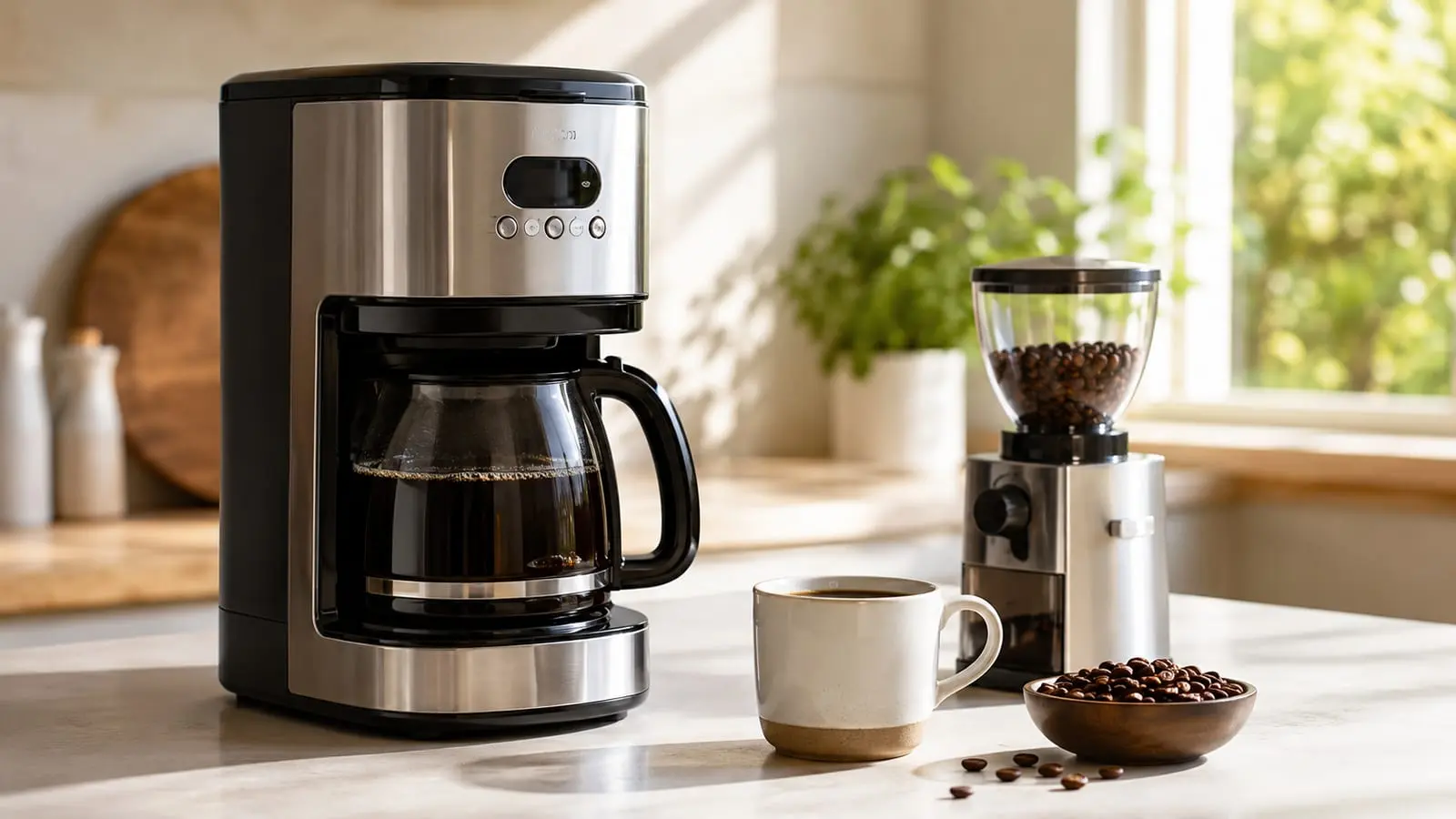
Yes, freshness is the single biggest flavor upgrade after grind size, and a grind-and-brew delivers it on a timer. The DGB-900BC Grind & Brew grinds whole beans right before brewing without sacrificing cup quality, which makes it the right call for daily drinkers who want fresh grounds without a separate step.
The tradeoff is honest: built-in grinders use a blade or a basic burr, and they are a pain to clean because coffee oils build up in the chute. If you want the best possible grind, a standalone burr grinder plus a simple drip machine beats any all-in-one. A burr grinder crushes beans to an even size, so you avoid the dust-and-boulders problem that makes coffee taste both bitter and sour at once.
For gadget-minded brewers, I dig into fresh-grind tools in my roundup of high-tech coffee brewing gadgets. Grind fresh, and even a modest machine tastes noticeably better.
Replacement parts worth keeping on hand
The reason to buy Cuisinart over a throwaway brand is that you can keep it running. Stock a few parts and any model outlives its warranty easily.
- A spare carafe. The glass ones break, and a replacement costs far less than a new machine. Match the exact model number.
- Charcoal water filters. They sit in the reservoir and cut chlorine taste. Swap them roughly every couple of months if you use them.
- Paper or gold-tone permanent filters. A reusable gold filter saves money; paper gives a cleaner cup with less sediment. Keep whichever you prefer stocked.
- Descaling solution or plain white vinegar. This is the part people forget, and it is the most important.
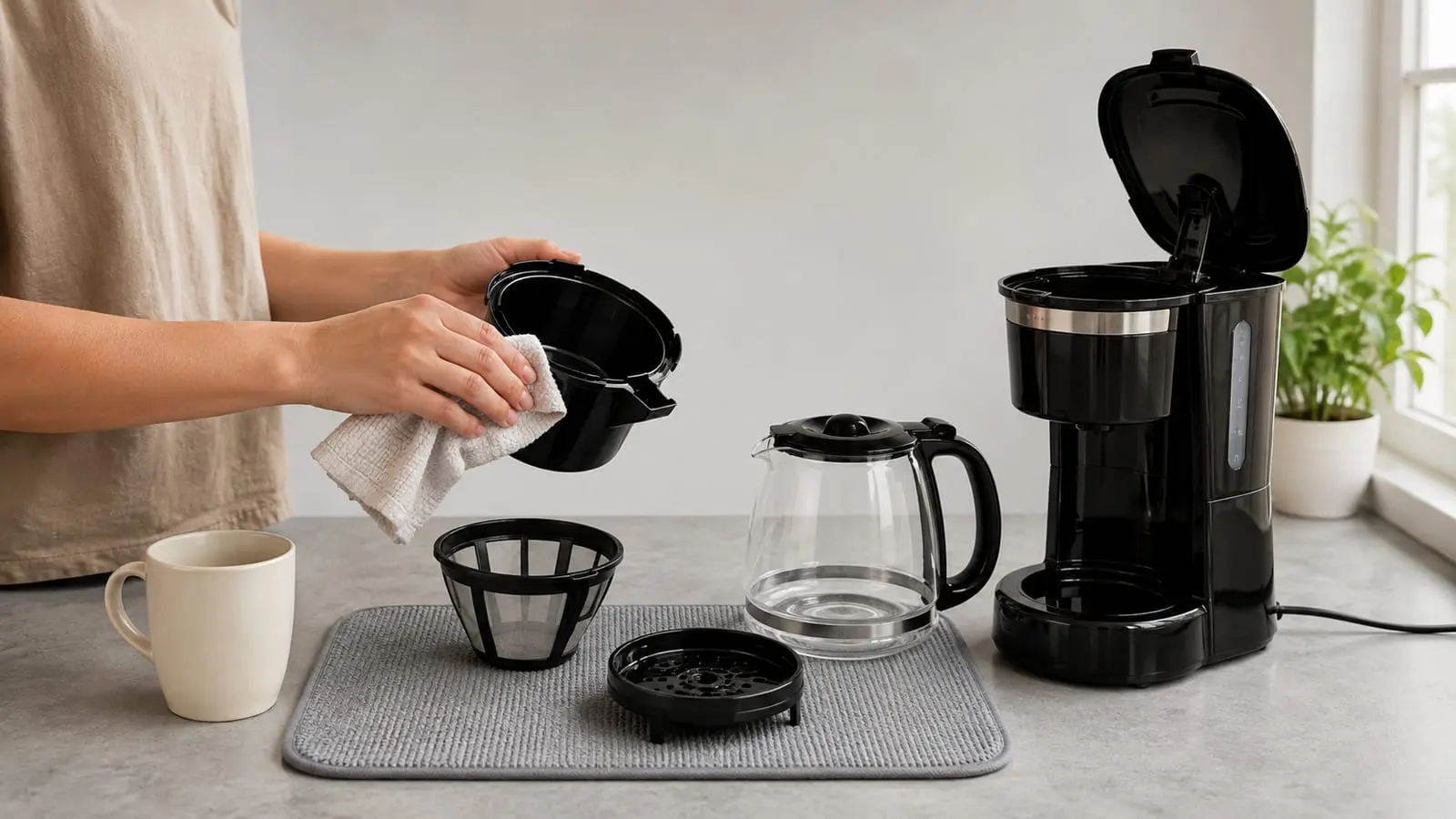
Descaling is not optional in hard-water areas. Mineral scale clogs the heating element, drops your brew temperature, and slows the drip to a trickle. Run a vinegar-and-water cycle every month or two and your machine keeps brewing hot for years.
Finding manuals and real support
Go straight to the official source instead of a random PDF site. Cuisinart posts model manuals, warranty terms, and part ordering on its own support portal, and searching your exact model number pulls up the right document fast. Check the official Cuisinart product support page before you call anyone.
Most Cuisinart machines carry a limited warranty of a few years, but terms vary by model, so read the card that came in the box. Keep your receipt; warranty claims usually need proof of purchase date.
When something breaks after the warranty, the part-order line is often cheaper and faster than replacing the machine. A new carafe or reservoir valve gets you running again for a fraction of a fresh purchase.
The ratio and water that improve any Cuisinart

Start with 1 gram of coffee to 16 grams of water, and you fix most weak-or-bitter complaints before blaming the machine. That ratio brews a balanced pot in any drip maker. Want it stronger, move to 1:15. Want it gentler, go 1:17. This lines up with the balanced target the Specialty Coffee Association uses for a good cup.
Weigh your coffee with a cheap kitchen scale instead of using the scoop that came with the machine. Scoops lie, because a spoon of light roast and a spoon of dark roast hold different amounts of coffee.
Water quality matters as much as the beans. If your tap water tastes off from the glass, it tastes off in the cup, so use filtered water. Grind fresh, medium for drip, roughly the texture of table salt.
New to dialing in a machine? My beginner's guide to brewing techniques walks through ratio, grind, and timing step by step. Change one variable at a time so you know what actually helped.
FAQ
How often should I descale a Cuisinart coffee maker?
Every month or two with normal use, sooner if your water is hard. If the brew slows down, the beep changes, or the coffee runs cooler than usual, that is scale talking. A cycle of equal parts white vinegar and water clears it, followed by two plain-water cycles to rinse.
Can I use my own ground coffee in a Cuisinart single-serve model?
On the models with a reusable filter cup, yes, and that is exactly why they are worth buying. Fill the basket with your own grounds, brew, and skip the pod tax entirely. Check that your specific model includes the reusable cup, since some single-serve machines only accept pods.
Why does my Cuisinart coffee taste bitter?
Usually over-extraction or a scorched pot on the warming plate. Coarsen your grind one notch and pull the carafe off the burner before it sits too long. If it is still harsh, your beans may be stale or the machine needs descaling.
Are Cuisinart machines better than a pour-over setup?
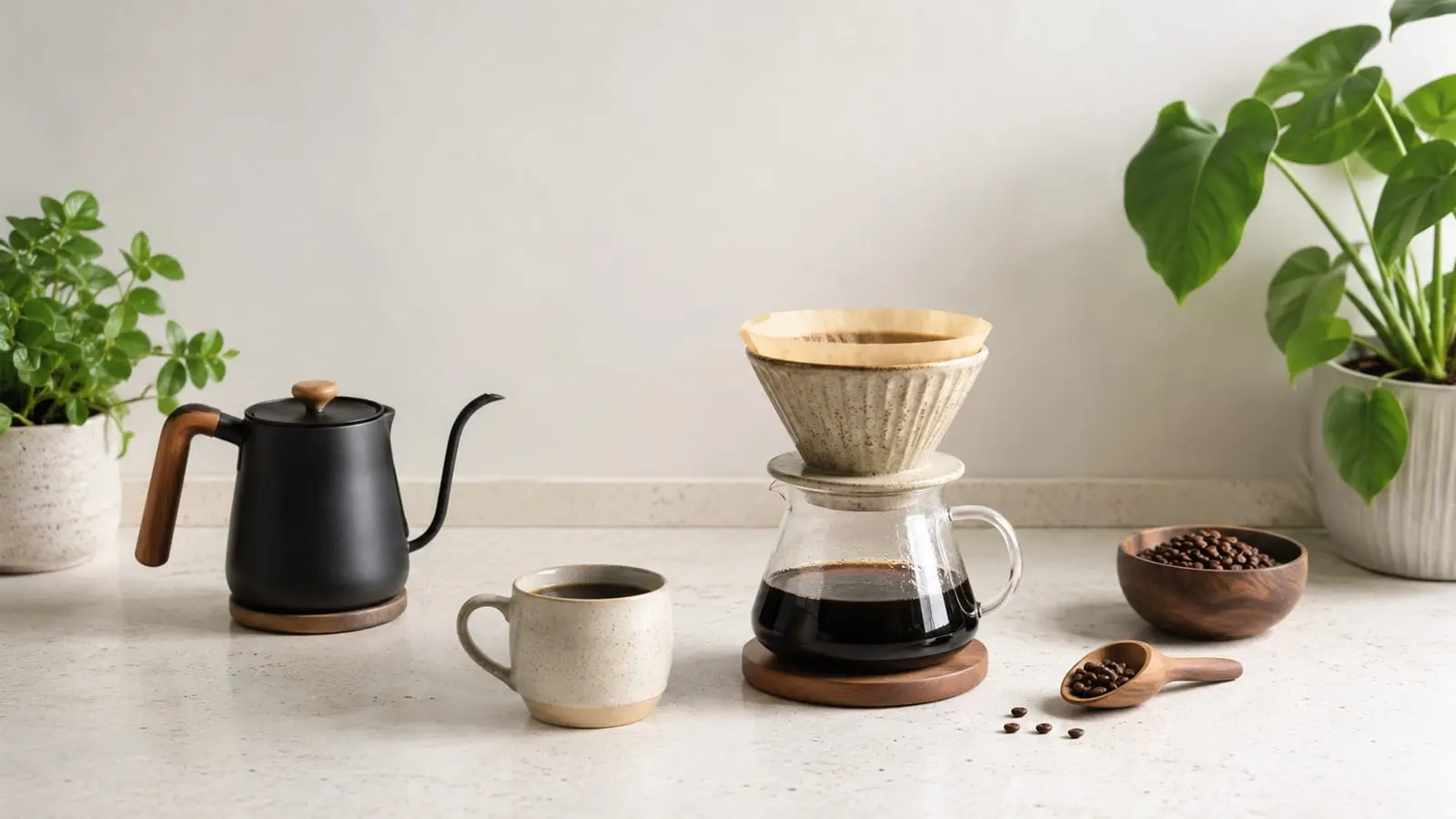
Different jobs. A Cuisinart brews volume with no fuss, while a pour-over gives you more control and a cleaner cup for one or two servings. If you want the hands-on route too, see my picks for the best pour-over coffee makers.
Which Cuisinart is best for a small household?
The DCC-1100BK 12-Cup. It brews hot and clean without the counter footprint of the big programmable machines, and there is less on it to fail. Buy capacity close to what you actually drink so the basket extracts evenly.