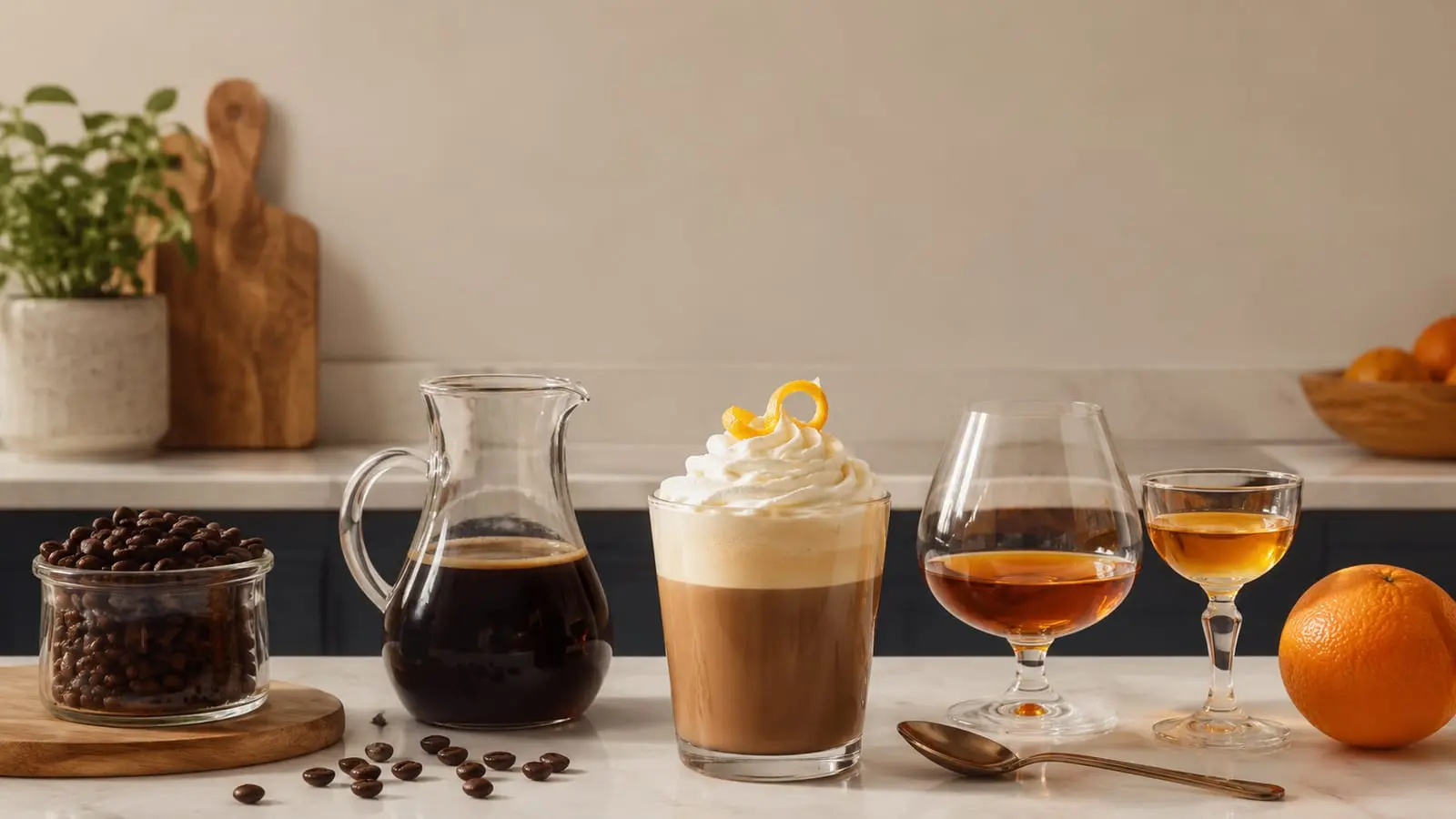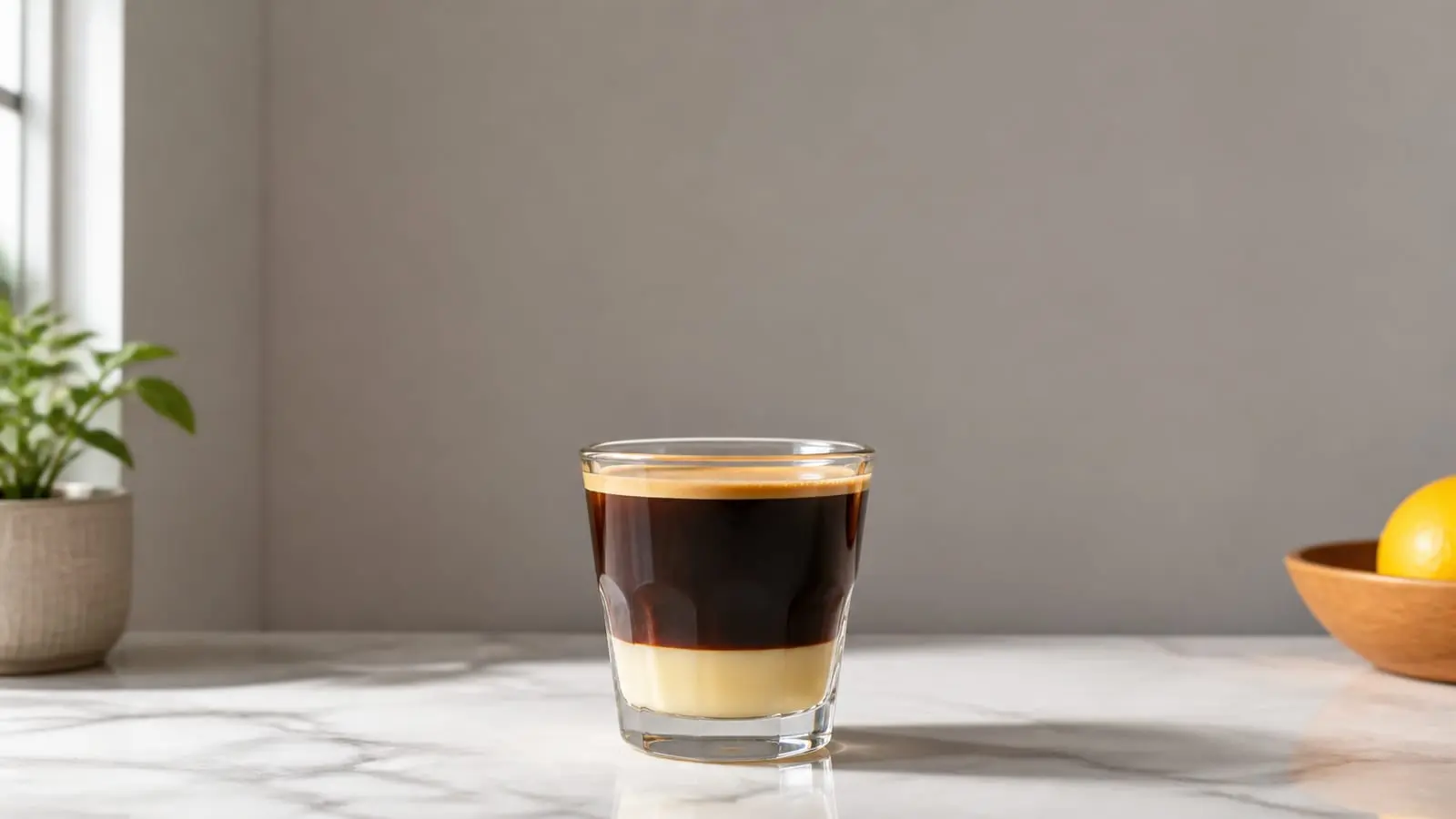
A caffè corretto is just an espresso "corrected" with a splash of liquor, usually grappa or sambuca, stirred straight into the cup. The only rule that matters is balance: a small shot of hot, fresh espresso against an equally small pour of spirit. Skip any recipe that drowns the coffee or insists on a pricey machine, because a well-run moka pot and a steady hand beat expensive gear here. Italians drink a staggering amount of espresso every year, and the cafe corretto is one of the best-loved twists on it.
Last updated: 2026-07-24
I'll share a simple cafe corretto recipe that turns your usual espresso into something more indulgent and satisfying. As a coffee enthusiast myself, I've found this spiked espresso makes the traditional Italian ritual a lot more fun. My first encounter with it was during a trip to Rome. The rich taste of real Italian espresso with a splash of grappa was a revelation, and it's been part of my routine ever since.

Cafe Corretto
Ingredients
Method
- Brew the Espresso:
- Use high-quality, freshly roasted espresso beans.
- Grind the beans finely and evenly.
- Brew a shot of espresso using an espresso machine or stovetop espresso maker.
- Add the Liquor:
- Pour the freshly brewed espresso into a small coffee cup.
- Add 1-2 ounces of grappa (or your chosen liquor).
- Gently stir to combine the flavors.
- Serve:
- Use a small, heat-resistant glass or cup.
- Optionally, garnish with a twist of lemon peel or a few coffee beans.
Notes
What is a caffè corretto?
Caffè corretto means "corrected coffee" in Italian, and the correction is the liquor. You pull a shot of espresso, add a small pour of spirit, and stir. That's the whole idea. It's bold, warming, and takes about a minute once your coffee is brewed.
Italians treat it as an after-meal drink, often to close out lunch or dinner. The espresso keeps you sharp while the spirit relaxes the edges. Grappa is the classic pour, but the drink bends to whatever you keep in the cabinet.
Think of it as espresso corretto with a job: strong coffee that finishes a meal instead of starting a day. If you like your coffee black and your nightcap short, this one is built for you.
Where the drink came from
Caffè corretto grew out of Italy's habit of ending meals with a small digestivo. Coffee and a shot were already common companions, so pouring the shot into the cup was a natural next step.
There's a leaner story from the Fascist era, when import sanctions squeezed coffee supplies. Stretching a thin espresso with cheap local grappa made the cup taste like more than it was. Whether or not that's the true origin, it fits the drink's spirit: humble ingredients, no fuss, plenty of warmth.
Which liquor goes in a corretto
Grappa is the default, and I'd start there. It's an Italian grape spirit with a sharp, dry bite that cuts espresso's bitterness better than anything else. The two were made for each other.
That said, corretto is forgiving. Here's how the common pours compare.
| Spirit | What it tastes like | My call |
|---|---|---|
| Grappa | Sharp, dry, grape-forward | The traditional pick and the best cut for espresso |
| Sambuca | Sweet, licorice-like anise | Keep it for guests who find grappa too harsh |
| Brandy or cognac | Smoother, warmer, rounder | A solid substitute, just less traditional |
If you only buy one bottle, buy grappa. If you're pouring for a crowd, keep sambuca on hand for the anise fans. Brandy and cognac work fine and show up in French versions, but they smooth out the coffee more than they sharpen it.
How to build the drink
Pull a fresh shot of espresso into a small warm cup, then add your spirit and give it one gentle stir. That's the ratio that matters most: a short espresso against a short pour of liquor, roughly matched so neither one wins.
Warm the cup first with a splash of hot water and dump it. A cold cup drops the espresso's temperature fast and flattens the crema. Small detail, real difference.
For a sweeter drink, some people add a small spoon of sugar before the spirit. Taste as you go and stop before it turns into dessert. If you want the coffee-cocktail route instead, my cognac espresso martini takes the same idea into shaker territory.
How much liquor should you add?
Let your own taste set the pour, but start small: about half as much spirit as espresso, or a touch less. That keeps the coffee in charge and the alcohol as a finish, not a flood.
Grappa runs strong, so a heavy hand overwhelms a small shot fast. If your first sip tastes like a spirit with coffee in it rather than coffee with a spirit, you overpoured. Dial it back next time.
Want it milder for an afternoon cup? Cut the liquor and lengthen the espresso slightly. Want it to hit harder after a big dinner? Match the two more evenly. Change one thing per cup so you know what worked.
Does grappa or espresso come first?
Pull the espresso first, then add the grappa. Hot coffee poured over a room-temperature spirit blends cleanly and holds its heat. This is the sequence I'd defend.
The common mistake is pre-mixing the two in a cold glass or dumping the espresso onto a big cold pour of liquor. Both chill the drink and mute the aroma. You want the espresso hot when it lands.
One traditional trick worth trying: rinse the warm cup with a tiny bit of grappa before you brew, then pour the shot in. It perfumes the cup without adding much booze. Grappa and espresso reward a little care in the order you combine them.
The espresso base: a moka pot is plenty
You don't need a four-figure espresso machine for a great corretto. A moka pot delivers plenty of intensity, and that's what I reach for at home. Freshly ground beans and a steady flame matter far more than the badge on the machine.
Grind fine, but not espresso-fine, for a moka pot, and pull it off the heat the moment it starts to sputter. Let it run too long and the coffee turns bitter and ashy, which the grappa won't rescue. If you do own an espresso machine, mind your grind, dose, and tamp, and keep your water just off the boil so you don't scorch the shot.
The goal is a small, dark, aromatic base with real body. Get that right and the correction takes ten seconds. If you're still deciding how short to pull it, my notes on ristretto versus espresso lay out the tradeoff.
How corretto changes across Europe
The idea of spiking coffee travels well, and the local bottle changes with the border. In Italy the pour is grappa or sambuca; in parts of the north you'll see it corrected with brandy instead.
France leans on cognac or armagnac, which gives a rounder, softer cup. Spain and Portugal have their own cousins, where a shot of brandy or aguardiente joins strong coffee to close a meal. The names differ, the instinct is the same: a small coffee, a small spirit, drunk slowly.
None of these is more "correct" than another. Pour what your region drinks, or what you actually like.
How it's traditionally served
Corretto shows up after lunch or dinner, rarely with a meal and almost never mid-morning. It's a digestivo, so it comes at the end when there's time to sit. Italians drink it in a small cup or a little glass, standing at the bar or lingering at the table.
Keep the presentation plain. A small elegant cup, maybe a twist of lemon peel or a couple of coffee beans on the saucer, and nothing more. The drink is the point, not the garnish.
It pairs beautifully with something simple: crunchy biscotti to dip, or a square of dark chocolate whose bitterness meets the espresso head-on. Slow it down, sip, and let the meal settle.
FAQ
Can I make caffè corretto without a moka pot or espresso machine?
Yes, though the drink leans on strong coffee, so brew the darkest, most concentrated cup you can. A small, potent batch of strong stovetop or a good dark roast run short will carry the spirit well enough. Weak coffee just tastes like watered-down liquor.
Is it a morning drink or an after-dinner one?
Traditionally it closes a meal, most often dinner or a long lunch. Italians treat it as a digestivo rather than a wake-up. You can drink it whenever you like, but its natural home is the end of the evening.
Can I use whiskey or rum instead of grappa?
You can, and they taste good, but they aren't traditional. Whiskey adds smoke and rum adds sweetness, both of which pull the drink away from the dry, grape-forward classic. Try them as a variation once you know the original.
How is a corretto different from a cortado?
They share nothing but a short espresso. A corretto adds liquor and stays black, while a cortado cuts the espresso with warm milk for a smooth, creamy sip. My cortado recipe walks through that one if milk is more your speed.
What dessert goes best with it?
Biscotti and dark chocolate are the safe, excellent bets. The biscotti begs to be dipped, and the chocolate's bitterness balances the sweet-sharp spirit. Skip anything too sugary, since the drink already brings its own edge.