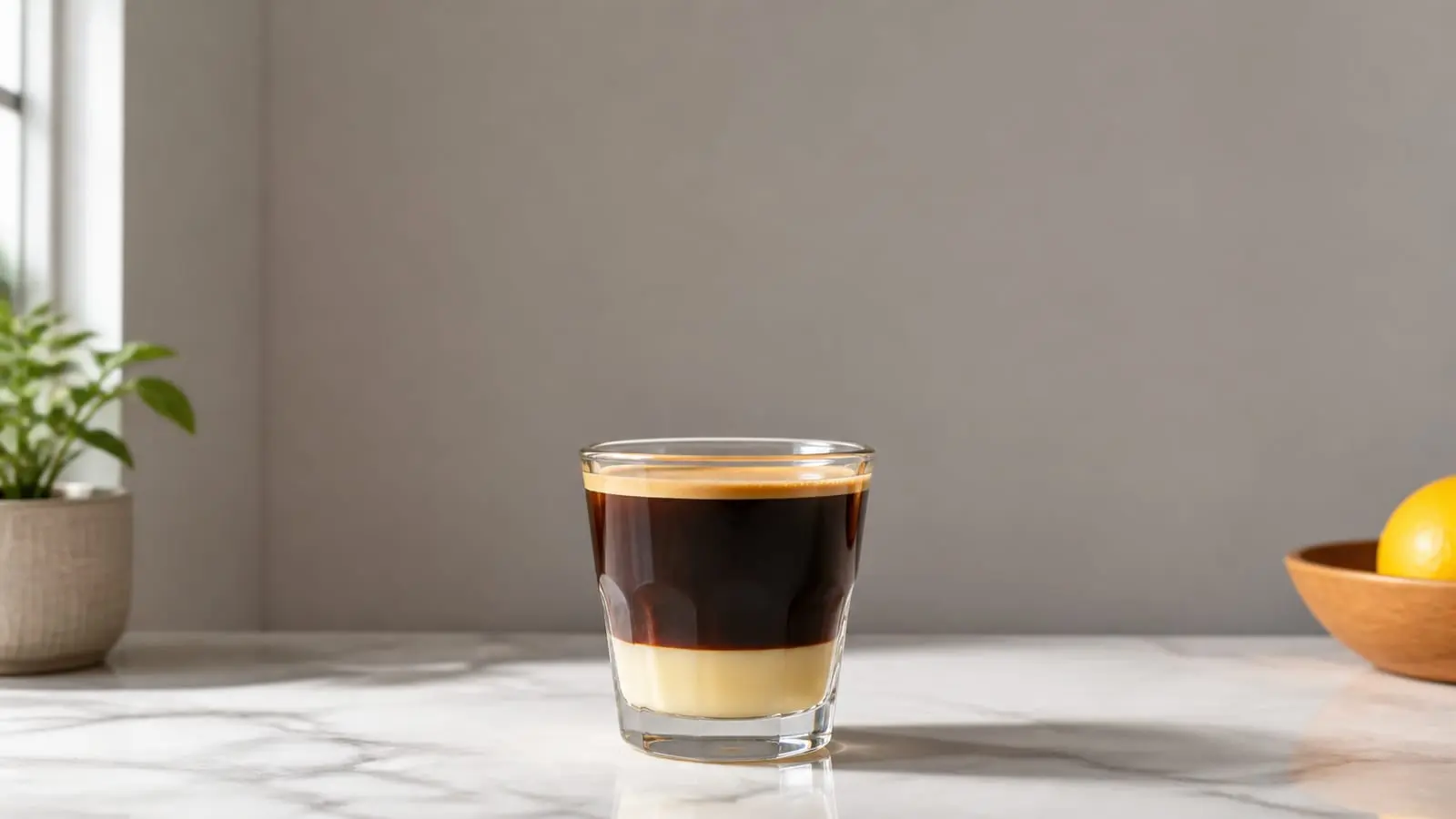

Olive oil coffee is a legitimate flavor and texture experiment, not a coffee breakthrough. The viral trend works best with fresh, mild extra virgin olive oil and well-brewed coffee. Use a small amount, blend it properly, and taste before adding more. If the oil dominates the cup, skip it. Better beans and a sound brew still matter more.
Last updated: 2026-08-25
What is olive oil coffee?
Olive oil coffee is coffee with olive oil shaken, stirred, or blended into it. You can add the oil to hot coffee, iced coffee, espresso, or a milk drink. The goal is a rounder body and a silky texture.
This is different from butter coffee, which usually relies on butter or another solid fat. It also differs from drinks that use coconut oil, cream, or milk as the main source of richness. Olive oil brings its own flavor, so you aren't adding neutral fat.
The basic preparation is simple:
- Brew your coffee or pull your espresso.
- Add a small amount of mild extra virgin olive oil.
- Stir, shake, or blend until the oil breaks into tiny droplets.
- Taste before adding anything else.
A recipe from The Hint of Rosemary's Oleato coffee uses 1 tablespoon of extra virgin olive oil per coffee. That's a bold starting point. It may work in a milk drink, but it can overwhelm a plain black coffee.
The texture depends on emulsification. That means the oil gets dispersed through the coffee instead of floating in one slick layer. Heat, agitation, and milk proteins can help. A lazy stir usually leaves you with an oily surface and an uneven first sip.
How did Starbucks Oleato bring olive oil coffee into the mainstream?
Starbucks Oleato turned an unusual home experiment into a branded coffee category. The drinks were infused with award-winning Partanna extra virgin olive oil, which gave the idea a polished menu name and a recognizable product behind it. You can read the company's description of Starbucks Oleato for its own take.
The concept was inspired by the Italian habit of consuming olive oil as part of daily food culture. Starbucks developed the drinks around coffee, milk, foam, and extra virgin olive oil rather than treating oil as a random add-in.
The Oleato Caffe Latte used light roasted coffee infused with extra virgin olive oil and topped with frothy warm oat milk. That format made sense to people who already liked lattes. Milk softened the oil's green and peppery notes, while foam spread the fat through the drink.
The Oleato Golden Foam Cold Brew took a different route. Extra virgin olive oil was infused into the cold foam and piled on top of strong cold brew. That kept the oil in a distinct layer, so the drink looked dramatic and delivered the flavor in bursts.
Starbucks helped the trend travel because the idea was easy to show on social media. A glossy foam cap and an oil-infused drink create a stronger visual hook than a regular latte. The name also made the drink sound deliberate instead of improvised.
The brand didn't invent the idea of combining coffee and fat. It did make the combination easy to discuss, order, copy, and argue about. That's enough to turn a niche drink into a viral one.
Why did olive oil coffee go viral?
Olive oil coffee hit several attention buttons at once:
- It sounds wrong at first. People understand cream in coffee. Olive oil creates an instant pause.
- The ingredients are familiar. You don't need rare fruit, a custom syrup, or a specialist machine.
- The texture is visible. Foam, shine, and a thickened surface show well in short videos.
- The reactions are strong. Fans describe it as silky and savory. Critics describe it as greasy and bitter.
- A major chain gave it credibility. Starbucks made the drink feel accessible to people who would never invent it at home.
- Wellness claims added fuel. Olive oil has a healthy reputation, so some people treated the drink as a functional upgrade.
That last point needs a firm correction. Adding olive oil doesn't turn poor coffee into a health drink, and it doesn't fix stale beans, scorched espresso, or bad water. The drink still succeeds or fails on flavor and texture.
Social video rewards surprise more than balance. A creator may show the dramatic pour and the first sip, but not the greasy layer left at the bottom. You should judge the whole drink, not the three-second reveal.
What does the specialty coffee industry think about it?

Coffee professionals tend to judge olive oil coffee by the same standard as any flavored drink: does the ingredient support the coffee, or bury it?
Fresh coffee comes first. If your grind, brew ratio, or water is off, olive oil only makes the problem harder to identify. A bitter coffee can taste heavier with oil. A thin coffee can feel fuller without becoming more balanced.
Ingredient quality matters too. Fresh extra virgin olive oil can taste grassy, fruity, buttery, peppery, or slightly bitter. A tired or harsh oil brings those faults into the cup. You don't need the most expensive bottle. You need one that tastes clean on its own.
Balance is the hard part. Coffee has acidity, bitterness, sweetness, and aroma. Olive oil adds fat and its own plant-like flavors. Too much fat dulls brightness and makes the finish drag. Too little may disappear, which is fine if you only want a softer texture.
Some professionals see value in the drink as a sensory exercise. It makes you notice body, aroma, and how ingredients change the finish. Others see it as a clever novelty with no reason to replace a good latte.
Both views can be right. The trend has value if it teaches you to taste critically. It has less value if it becomes another excuse to ignore the basics.
If your coffee needs work, start with the oat milk latte recipe before adding oil. A clean latte gives you a better baseline.
Can olive oil improve coffee's flavor and mouthfeel?
Olive oil can make coffee feel heavier, smoother, and more coating. That change comes from fat, not magic. The oil spreads across your palate and gives the coffee a longer finish.
Flavor depends on the oil. You may notice:
- Buttery notes, which soften sharp espresso.
- Green or fruity notes, which can echo light roasted coffee.
- Peppery notes, which add a punchy finish.
- Bitterness, especially when the oil and coffee are both intense.
- A savory edge, which can work with oat milk or a little sweetness.
The coffee style matters just as much. A delicate pour-over may lose its bright citrus and floral character under a strong oil. Espresso has more concentration and can stand up to a small amount. Milk drinks give the oil somewhere to settle, which usually makes the combination easier to enjoy.
I wouldn't add olive oil to a coffee you already love. Try it with a solid but uncomplicated brew where the texture is part of the experiment. Otherwise, you risk covering the flavors you paid attention to in the first place.
Oil can also expose weak technique. If the coffee tastes bitter before the oil, the finished drink may taste muddy and heavy. Fix the brew first, then test the ingredient.
Which olive oil flavors pair best with coffee?
Choose the oil based on the roast and the drink. You don't need a tasting chart to get close. Match intensity, then adjust after the first sip.
| Olive oil style | Best coffee match | What you'll notice | What can go wrong |
|---|---|---|---|
| Mild and buttery | Medium roast with milk | Round, soft, creamy texture | The drink may taste flat |
| Mild and fruity | Light roast or gentle espresso | Bright fruit with a green lift | Delicate coffee can disappear |
| Peppery and grassy | Dark roast or strong cold brew | Punchy finish and more body | Bitterness can pile up |
| Robust and bitter | Usually skip it | Strong savory character | Greasy, harsh, and distracting |
A mild oil is the safest place to start. It gives you texture without turning the cup into a salad dressing. A fruity oil can work with a light roast, but only if the coffee has enough sweetness.
Hearty oils are harder to use. Dark coffee already brings smoke and bitterness, so a peppery oil can make the finish rough. Strong cold brew has more room for bold flavors, but it still needs restraint.
Avoid pairing a delicate, floral coffee with a harsh oil. The coffee's aroma will vanish first. That is a poor trade unless you specifically want the oil to lead.
What do consumers and experts actually think?
Reception is mixed because people are reacting to two different things: flavor and texture.
Fans usually like the drink's smoothness. They describe a fuller mouthfeel, a soft finish, and a savory edge that works with oat milk. Some enjoy the novelty alone. Coffee doesn't need to become a daily ritual to be worth trying once.
Critics often notice the oil before the coffee. Their complaints are predictable: a slick surface, bitter aftertaste, separated oil, or a drink that feels heavy without tasting richer. Those are valid complaints, especially when the oil is too strong.
The preparation explains some of the disagreement. A blended hot latte can feel integrated and creamy. An iced drink that was barely stirred may leave oil floating on top. Two people can use the same ingredients and get completely different results.
The coffee itself also changes the verdict. A sweet espresso with creamy milk has a better chance than weak drip coffee with a sharp, grassy oil. The trend isn't one fixed recipe. It's a broad idea with a wide range of bad versions.
My judgment is simple: olive oil coffee is interesting, but it isn't automatically good. Try it for the contrast. Keep it only if the cup tastes better to you.
How can you add olive oil to coffee without ruining it?

Start with a small amount, even if a recipe calls for more. You can add oil. You can't remove it after it coats the whole drink.
Hot black coffee
Brew a balanced cup and add a small amount of mild extra virgin olive oil. Stir hard while the coffee is hot, then taste after the surface looks even.
If the coffee feels rounder and the oil stays in the background, add a little more next time. If you taste pepper, grass, or grease before coffee, back off.
The 1 tablespoon amount belongs to The Hint of Rosemary's Oleato coffee recipe. Treat it as that recipe's measure, not a universal rule for every mug.
Hot milk drinks
Milk makes the easiest home version. Add the oil to the hot coffee, then blend in warm frothed milk. A handheld frother works well, and a tight-lidded jar can help with the milk if you don't have a machine.
For a familiar starting point, build it like a latte and keep the oil modest. The latte macchiato method explains how milk-first drinks change the order and texture, which is useful here.
Sweetness can help. A little sugar, vanilla, or syrup rounds off peppery oil and bitter coffee. Don't use sweetness to hide a rancid oil or a badly brewed cup.
Iced coffee
Iced oil coffee needs more agitation because cold liquid doesn't blend as easily. Add the coffee and oil to a jar with a tight lid, then shake firmly before pouring over ice.
You can also use a blender or handheld frother. Add milk after the oil and coffee have started to combine. That gives the fat less chance to sit in a single layer.
Expect some separation over time. Oil and water-based coffee want to split. Re-shake the drink if needed, and serve it soon after mixing.
As a finishing accent
A few drops on the surface give you the aroma without forcing the whole drink to carry the oil. This is the best method if you're unsure about the trend.
Take a sip with the oil at the top, then stir and taste again. The difference tells you whether you like the flavor, the texture, or just the visual effect.
What usually goes wrong?
The oil floats on top
The mixture hasn't emulsified enough. Stir more aggressively, shake it in a jar, or use a frother. Hot milk drinks are usually easier because heat and milk help create a smoother texture.
The coffee tastes greasy
You added too much oil or used a strong one. Diluting with milk may soften the drink, but it won't erase the oil's flavor. Make the next cup with less.
The drink tastes bitter
Coffee bitterness and olive oil bitterness can stack up. Use a smoother coffee, choose a milder oil, and correct the brew before testing again.
The coffee tastes flat
Fat can soften acidity. If the coffee was already low in brightness, the oil may remove what little lift it had. Try a fresher, lighter coffee or leave the oil out.
The drink tastes like grass or pepper
That character comes from the oil. It may be good in food and wrong in coffee. Switch to a mild, buttery oil before blaming the beans.
The milk drink feels too heavy
Use less oil and more airy foam. A thinner milk can reduce richness, but it may separate more easily. Texture and stability trade places here.
Is olive oil coffee worth trying?

Yes, if you're curious and willing to taste critically. Start with fresh coffee, a mild extra virgin olive oil, and a small amount. Blend it into a hot milk drink first because that format hides fewer texture mistakes.
Skip it if you want a cleaner cup or if you dislike savory flavors in coffee. You also shouldn't buy expensive gear for it. A jar, spoon, or handheld frother can do the useful work.
Olive oil coffee is best treated like a flavor test. Brew the coffee well, add the oil carefully, and change one thing at a time. The trend has done its job if it gets you paying attention to balance, body, and finish.
Great coffee still comes from fresh ingredients, sound ratios, and a willingness to taste and adjust. Olive oil is one more lever. It isn't the whole machine.
FAQ
Does olive oil coffee contain dairy?
No. Olive oil itself contains no dairy. The finished drink only contains dairy if you add milk, cream, or another dairy ingredient.
Can you use regular olive oil instead of extra virgin olive oil?
You can, but the flavor may be flatter or less clean. Extra virgin olive oil gives you more noticeable fruit, butter, green, or pepper notes. Choose a bottle you enjoy tasting on its own.
Is olive oil coffee vegan?
Black coffee with olive oil is vegan. Add plant milk if you want a creamy drink. Check flavored syrups and foams separately because their ingredients vary.
Can you prepare olive oil coffee ahead of time?
You can, but the mixture may separate as it sits. Make it close to serving, especially when the drink is iced. Shake or stir again if the oil gathers on the surface.
Who should skip olive oil coffee?
Skip it if you dislike oily textures, strong savory flavors, or bitter finishes. You should also skip the experiment with a delicate coffee you want to taste clearly. A plain brew will give you a better read on those beans.