Jump to Recipe
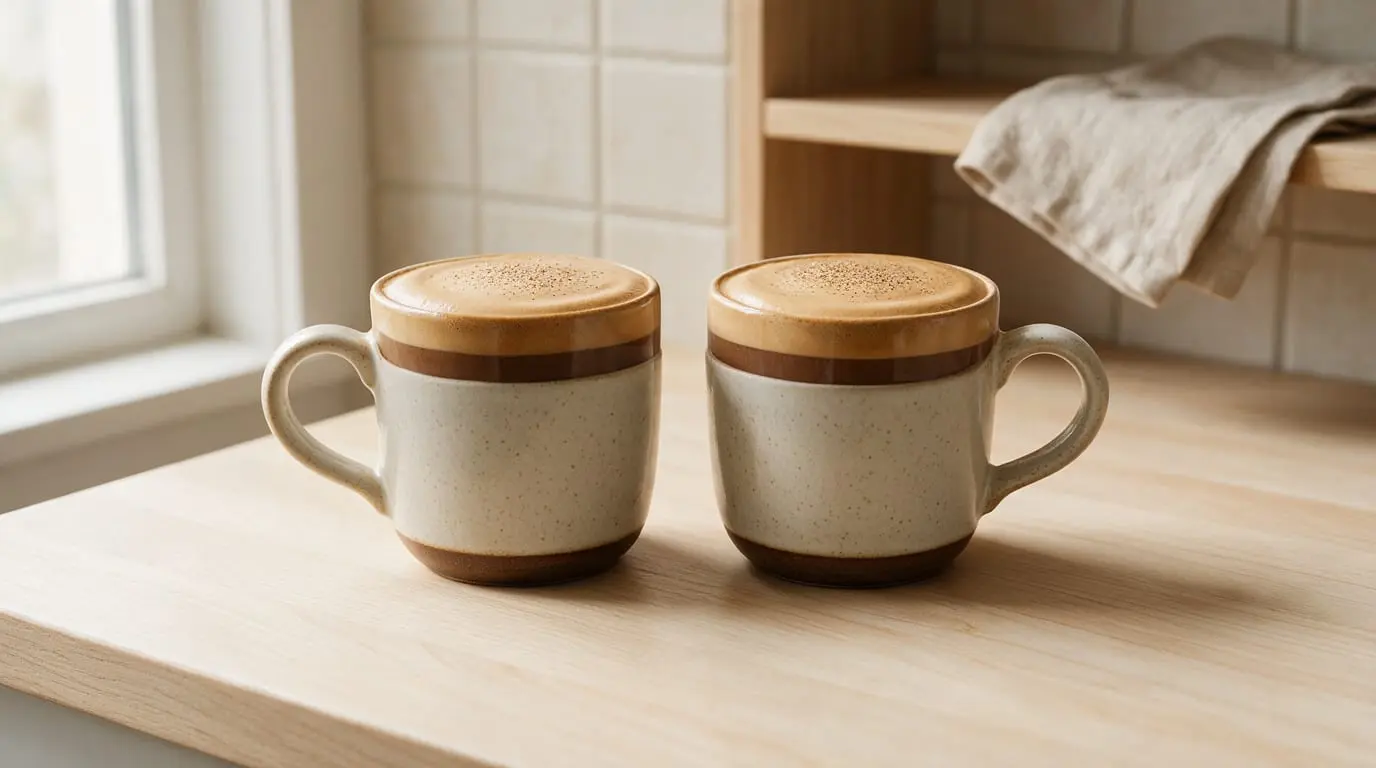
Sage brown butter coffee is brewed espresso blended with butter that’s been cooked until golden and fragrant, steeped with fresh sage leaves, then poured over or frothed into your cup.
The flavor is richer than a standard bulletproof-style coffee and more complex than any homemade coffee syrup. The sage adds a soft herbal note that fades into the background after the first sip, leaving mostly the nutty, almost butterscotch depth of the brown butter.
The one place this recipe goes wrong is burning the butter. The window between golden brown and acrid black is about 30 seconds at medium heat. Watch the pan, not your phone.
I use a double shot of espresso here. A strong moka pot brew or a concentrated French press works too, but diluted drip coffee loses the flavor balance entirely.

Why You’ll Love This Recipe
- Deep nutty flavor from browned butter, no syrup needed
- Fresh sage adds a subtle earthy note to espresso
- Blends into a frothy, latte-like texture in seconds
- Ready in under 10 minutes with pantry staples
Ingredient Notes
- Unsalted butter: Use unsalted so you control the salt level. Salted butter works but makes the drink noticeably salty, which some people like. Ghee is a fine swap and browns even faster.
- Fresh sage leaves: Fresh sage gives a soft, almost floral herbal note. Dried sage is much more intense and piney – if you use it, cut the amount to a pinch or it overpowers the butter.
- Espresso: A double shot, roughly 60 ml, is the base here. Strong moka pot coffee works well. Standard drip coffee is too weak and the butter ratio will taste greasy.
- Whole milk or oat milk: Whole milk froths best and adds body. Oat milk is thinner but foams reasonably well. Skip milk entirely if you want a pure black-coffee-plus-fat experience.
- Honey or maple syrup: Optional, but a small drizzle of honey complements the nutty butter without masking the sage. Maple syrup also works. Skip for a sugar-free cup.
Sage Brown Butter Coffee with Toasted Notes
Ingredients
Method
- Place the butter in a small stainless steel skillet over medium heat. Let it melt, then continue cooking, swirling the pan every 20 to 30 seconds, until the foam subsides and the milk solids on the bottom of the pan turn golden brown, about 3 to 4 minutes. It should smell like toasted hazelnuts.
- Add the sage leaves to the pan. They will crackle and crisp up in 60 to 90 seconds. Remove them with a slotted spoon as soon as the edges look lightly crisped - do not leave them in longer or they turn bitter.
- Pour the brown butter into a small heatproof cup and let it cool for 2 minutes. Set the crisped sage leaves aside for garnish if you like.
- Brew a double shot of espresso, about 60 ml. If using a moka pot, brew on medium-low heat and aim for a concentrated, dark pull.
- Add the espresso, browned sage butter, and honey or maple syrup (if using) to a blender. If you're adding milk, add it now. Blend on high for 20 to 25 seconds until the mixture looks frothy and the butter is fully emulsified - no visible oil slick on the surface.
- Pour immediately into a prewarmed cup. Top with one crisped sage leaf and a small pinch of flaky salt if you like. Serve right away.
Notes
- Brown the butter over medium, not high heat - it goes from golden to burned in under 30 seconds at high.
- Remove sage leaves as soon as they crisp up; leaving them in longer makes the butter bitter.
- Use a double espresso shot (60 ml) minimum - a weaker base gets overwhelmed by the butter.
- Blend on high for 20 seconds minimum to emulsify the butter into a frothy texture.
- Serve immediately; the emulsion starts to separate after about 20 minutes.

Tips for Success
- Swirl the pan constantly once the butter foams so the milk solids brown evenly instead of burning on one side.
- Pull the sage leaves out of the butter as soon as they crisp up, about 60 to 90 seconds, before they turn bitter.
- Let the brown butter cool for 2 minutes before adding to the blender or the hot fat can crack a glass jar.
- Blend for at least 20 seconds on high to emulsify the butter fully and create a frothy crema-like top.
- Pour the blended coffee over a single large ice cube if you prefer it iced – the drink holds its texture for about 5 minutes before separating.
Variations
- Spiced sage brown butter coffee: add one small pinch of ground cardamom to the butter while it browns.
- Iced sage brown butter latte: blend with cold oat milk and pour over ice for a summer version.
- Sage brown butter cortado: skip the milk entirely and blend just the butter and a single espresso shot for a concentrated, oil-rich sip.
Storage and Reheating
The browned sage butter can be made ahead and stored in a small jar in the fridge for up to 5 days. It solidifies when cold, so scoop out about 1 teaspoon and let it sit at room temperature for a few minutes before blending.
The finished drink does not keep well. The emulsion breaks within 20 minutes and reheating makes it greasy rather than frothy. Make it fresh each time.
If you want to batch the butter component, brown a full stick (113 g) with 8 to 10 sage leaves, strain into a jar, and refrigerate. Scoop to order.
Serving Suggestions
Sage brown butter coffee works as a standalone breakfast drink alongside a slice of sourdough toast or a plain croissant. The fat content is enough to carry you through a few hours without food, so many people drink it in place of breakfast.
For a brunch table, serve it in small glass cups so guests can see the golden color. A light dusting of flaky salt on top and one fried sage leaf as garnish make the presentation look intentional without much effort.
If you’re pairing it with food, avoid anything sweet or syrupy. The drink pairs better with savory pastries, eggs, or bitter dark chocolate than with pancakes or jam.

FAQ
Why does my sage brown butter coffee taste greasy instead of frothy?
The butter wasn’t emulsified long enough. Blend for at least 20 full seconds on high speed – the fat needs to be fully broken down and suspended in the liquid. If you add the butter straight to the cup without blending, it will just float on top and coat your mouth with grease rather than creating a smooth, integrated drink.
Can I use dried sage instead of fresh sage in brown butter coffee?
You can, but use far less – about a pinch rather than full leaves. Dried sage is concentrated and resinous, and it can turn the butter sharp and medicinal if you use the same quantity as fresh. Fresh sage gives a softer, more floral note that’s easier to control during the browning step.
How do I know when the brown butter is ready and not burned?
The butter is ready when the foam subsides and you see golden-brown specks on the bottom of the pan, and it smells like toasted hazelnuts. If it smells sharp or acrid, or the specks look dark brown to black, it’s burned and you need to start over. The whole process takes about 3 to 4 minutes over medium heat.
Is sage brown butter coffee keto-friendly?
Yes, if you skip the honey or maple syrup and use unsweetened milk or no milk. A serving made with just butter, sage, and espresso contains roughly 1 gram of carbohydrates and around 90 calories from fat. It fits a standard ketogenic macro target. Add a splash of heavy cream instead of milk to keep it richer and still low-carb.
Can I make sage brown butter coffee with a French press instead of espresso?
Yes, but brew it strong. Use a 1:10 coffee-to-water ratio, steep for 5 minutes, and press firmly. The bold, slightly bitter French press coffee holds up well against the butter fat. A standard 1:15 ratio will produce a drink that tastes mostly like buttery milk with a vague coffee background.
What’s the difference between sage brown butter coffee and bulletproof coffee?
Bulletproof coffee traditionally uses butter plus MCT oil blended into black coffee, with no added flavor, whereas a pear and brown butter latte shows how browning butter first unlocks a much deeper, nuttier dimension. Sage brown butter coffee uses only butter, but cooks it to a brown stage first for a nutty depth that plain melted butter doesn’t have, then infuses it with sage for an herbal note. The technique and flavor profile are distinct even though both are fat-blended coffee drinks.