Medium or Dark Roast? Pick the Right Coffee
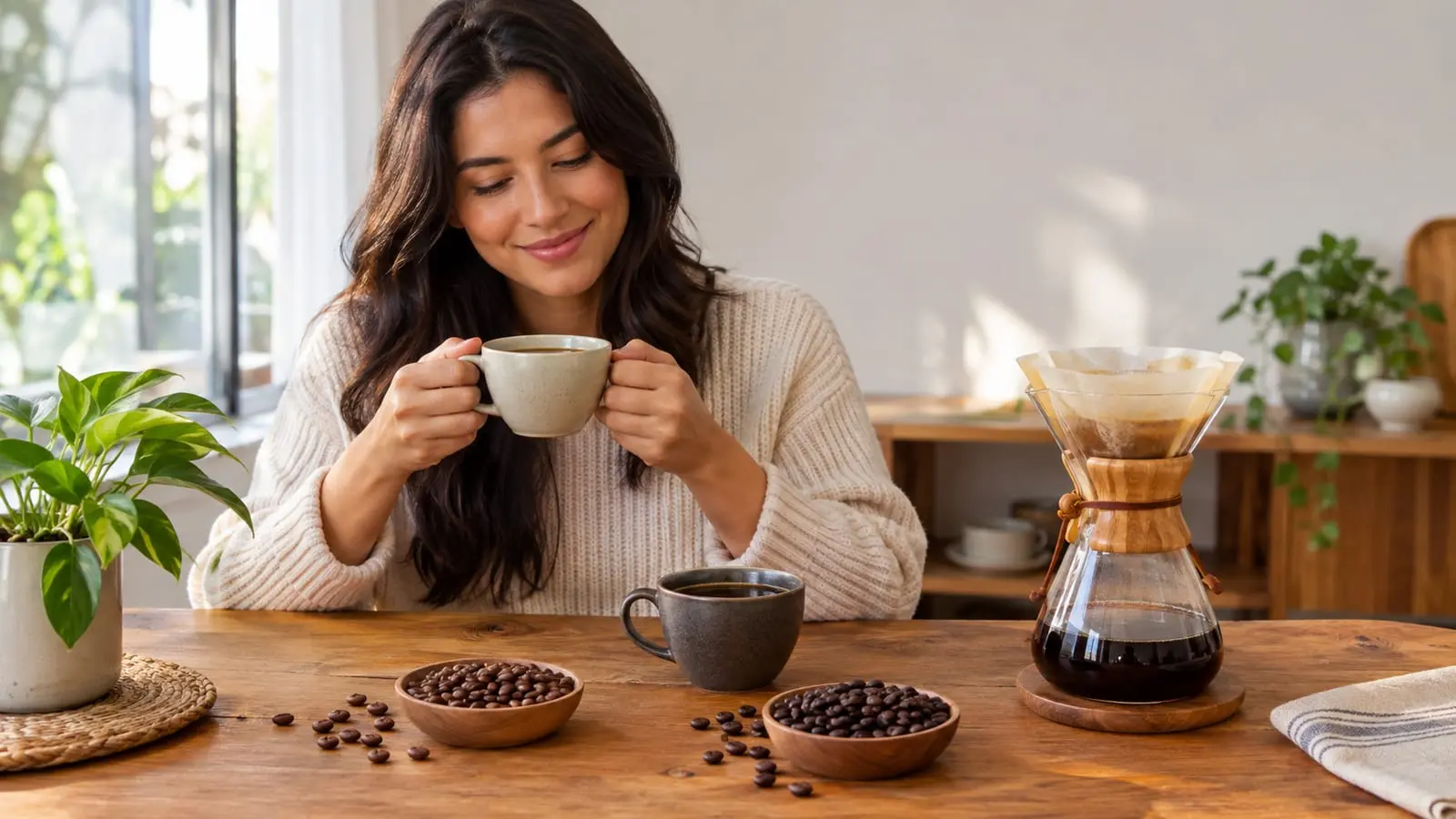
Medium roast offers balance and origin flavor, while dark roast brings smoky body. Compare caffeine, acidity, mouthfeel, and the best brew uses for each.

Medium roast offers balance and origin flavor, while dark roast brings smoky body. Compare caffeine, acidity, mouthfeel, and the best brew uses for each.
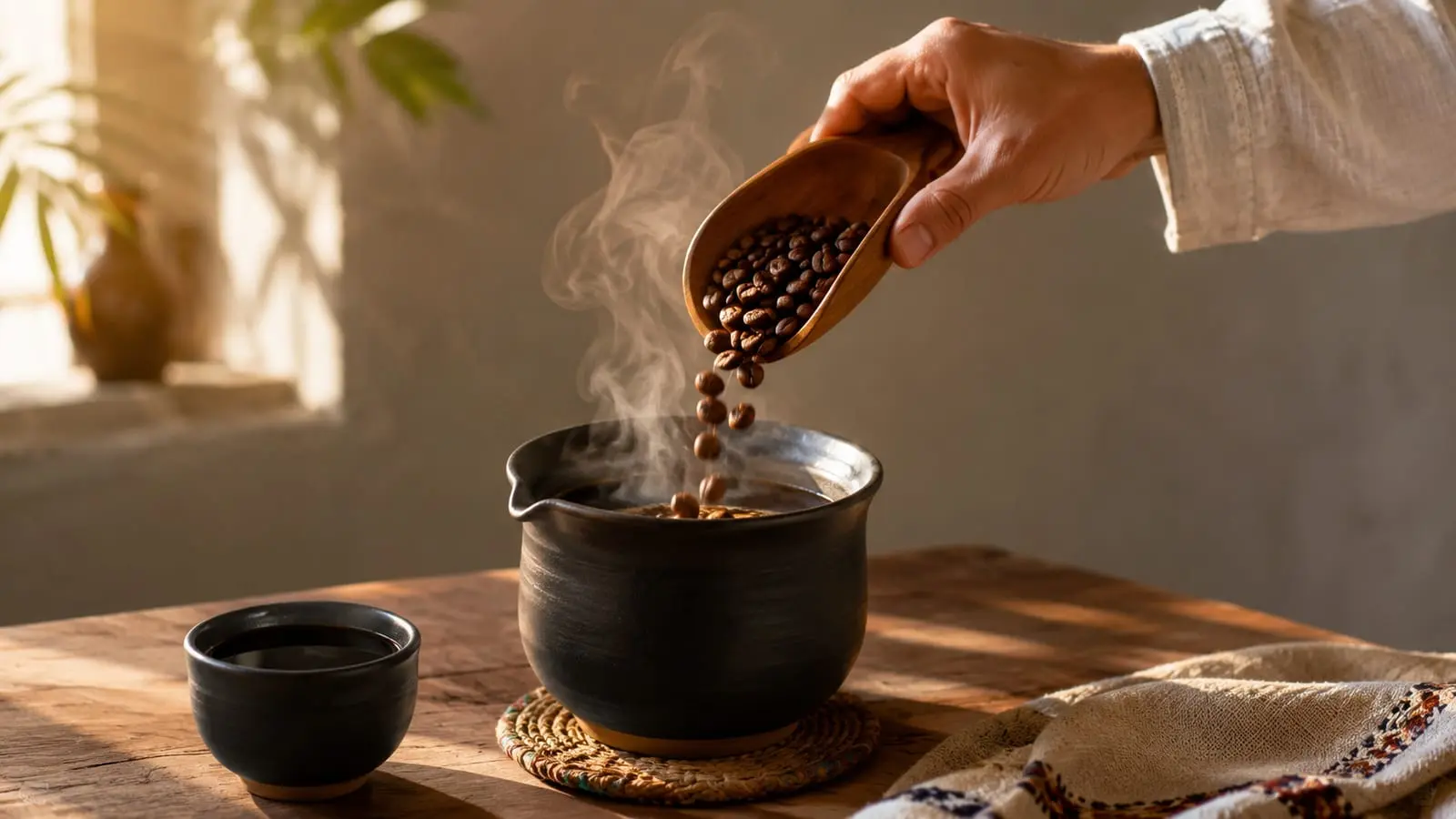
Arwa’s naturally processed Yemeni beans deliver wild fruit, floral notes, and deep chocolate that requires no fancy gear to taste. Brew it simply and black.

Fermentation, oxygen, fruit contact, and drying reshape coffee flavor. See what washed, natural, honey, anaerobic, and co-fermented methods deliver.

Did you know the human palate can detect over 10,000 distinct flavors? Yet, most of us describe our morning brew with just two words: “strong” or “bitter.” There’s a whole world of taste waiting to be discovered in your cup. I’ve spent years testing beans from different origins. My mission was to understand the complex … Read more

Here’s a fact that changed how I brew: beans from two farms just a mile apart can taste completely different. That’s the power of origin. Terroir is that unique fingerprint of place. It’s the soil, climate, and altitude that shape a plant’s entire life. I’ve spent years walking through these growing regions. I’ve seen how … Read more

Colombian coffee is 100% Arabica grown in the Andes. Learn why altitude and washed processing create the clean, balanced cup that forgives imperfect brewing.

Maragogipe’s oversized beans signal a distinctive variety, and this guide helps you assess its floral aroma, gentle acidity, rounded body, and brewing tips.

I still remember the first time I tasted the bright, lemony kick of a washed Ethiopia. Then, a few sips later, the jammy, sun‑warmed rush of a natural—wet vs dry processed coffee explained in one delicious mini-lesson. Processing is simply how the seed is freed from the cherry—removing skin, pulp, mucilage, and parchment—and that choice … Read more

High-altitude coffee means beans are grown way up high, from 1,000 to 8,000 feet. At these heights, quality coffee with great traits is produced. Cooler temperatures and less oxygen make coffee cherries ripen slower. This leads to beans that are more flavorful and complex. Let’s look at Boyer’s Coffee in Denver, roasted at 5,400 feet. … Read more

Temperature, rainfall, altitude, and water stress shape coffee’s acidity, sweetness, body, and complexity; processing helps define the cup before you brew.

Welcome to an exciting coffee tasting adventure! We’re starting a journey into the world of regional coffee varieties. Our exploration will reach across continents, revealing more than just regular coffee blends found in stores. With our guide, Tom from batchcoffee.co.uk, let’s discover tastes that match your liking. We’ll experience the gentle, floral flavors of Ethiopian … Read more

Dark roast usually tastes less acidic than light roast. Compare flavor, brewing tips, and a practical pick for a smoother, less tangy cup at home.

Blonde roast pulls brighter, citrus flavors from shorter roasting; medium caramelizes sugars for sweetness and balance. Here’s how heat time shapes your cup.

Washed coffee brings crisp acidity and clarity, while natural coffee delivers fruit, sweetness, and body. Compare both styles and choose your next cup.

Organic Honduran coffee tastes clean when altitude, ripe picking, careful processing, and freshness align. Learn what regions, labels, and brewing reveal.

The best black coffee starts with fresh, light-to-medium roast beans ground before brewing. Stumptown Hair Bender leads our picks for balance and reliability.