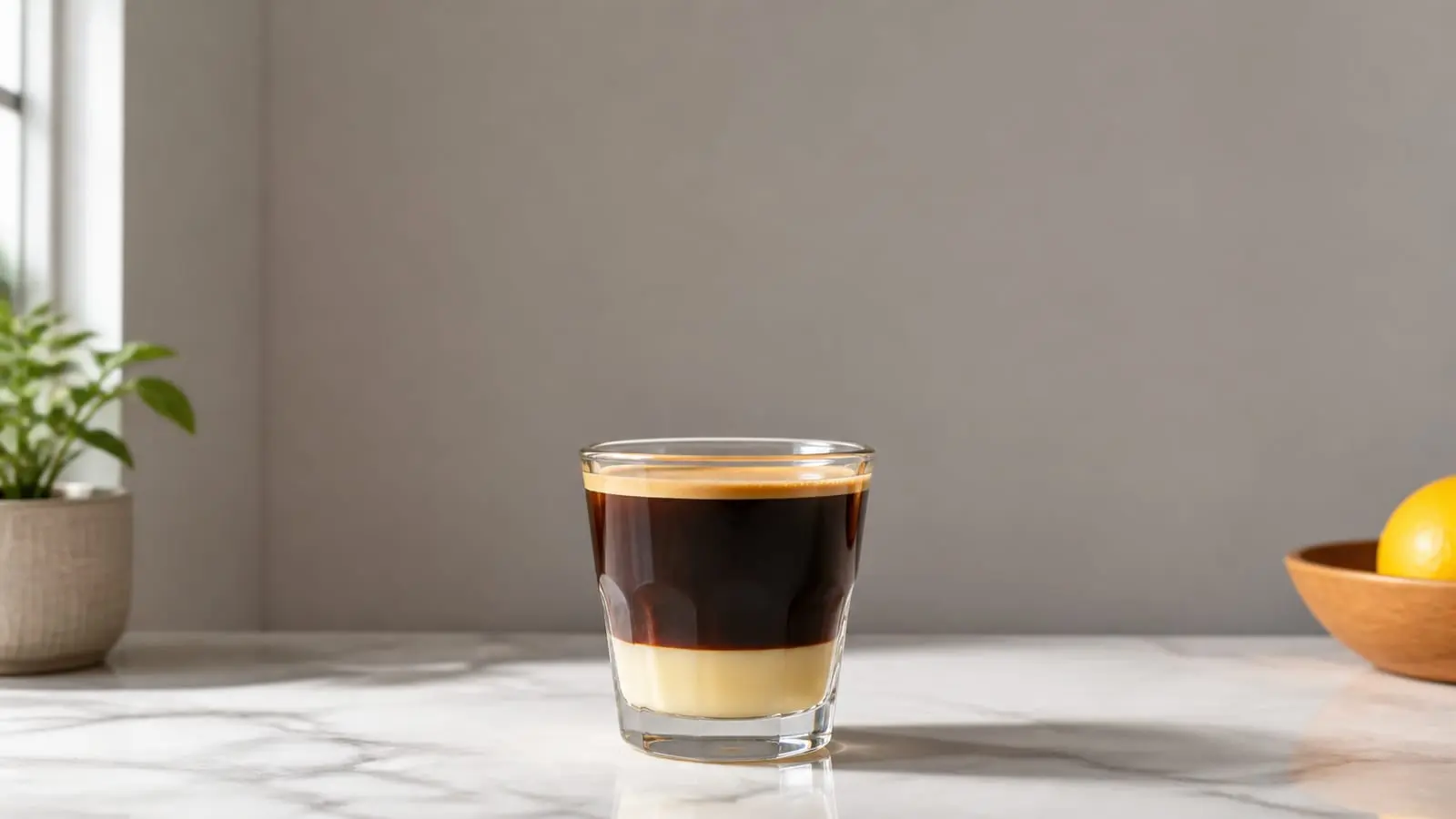

My take on espresso macchiato vs. latte macchiato is simple: I pick the espresso macchiato when I want coffee first. It’s concentrated espresso softened with a small amount of milk. Choose a latte macchiato when you want a larger, gentler, milk-forward drink. The names sound close, but the ratios, pouring order, and drinking experience are nearly opposites.
Last updated: 2026-08-26
Espresso macchiato vs. latte macchiato: what’s my take?
The espresso macchiato is the better everyday choice for tasting fresh espresso. You get a small, bold drink with just enough textured milk to round off sharp edges without burying the coffee.
A latte macchiato suits a different mood. It’s larger, softer, and built around steamed milk, with espresso added near the end to mark it. You’ll notice the milk before the coffee, and that’s the whole point.
Here’s the useful split:
| Drink | Main ingredient | Milk amount | Pouring order | Flavor |
|---|---|---|---|---|
| Espresso macchiato | Espresso | 1-2 tablespoons of milk foam | Espresso first, milk second | Bold and espresso-led |
| Latte macchiato | Steamed milk | Much more milk | Milk first, espresso last | Soft, creamy, milk-forward |
| Caffè latte | Espresso and steamed milk | About 1:3 espresso to milk | Espresso first, milk second | Balanced but milk-heavy |
| Cappuccino | Equal parts espresso, steamed milk, and foam | Moderate | Espresso first, milk added after | Stronger and foamier |
The espresso macchiato wins for intensity and coffee character. The latte macchiato wins for volume, sweetness, visible layers, and a gentler texture.
What is an espresso macchiato?
An espresso macchiato is espresso topped with a small amount of steamed or foamed milk. The Italian word macchiato means “stained” or “spotted,” because the milk marks the espresso.
Traditional versions use milk steamed on an espresso machine steam wand. The finished drink has a concentrated coffee base with a spoonful or two of soft foam on top.
A researched serving guide puts the milk at 1-2 tablespoons of milk foam. That’s enough to soften the shot, but it won’t turn the drink creamy or mild. You’ll still taste the espresso’s roast, acidity, sweetness, and finish.
The espresso macchiato is worth ordering when the beans are fresh and the shot is balanced. It’s less forgiving than a latte because milk can’t hide stale coffee or a harsh extraction. If the espresso tastes burnt, the foam only gives you a small distraction.
Latte macchiato: milk marked by espresso

A latte macchiato starts with steamed milk. Espresso is added last, marking the milk and creating visible layers of milk, espresso, and foam in a tall glass.
That order matters. Pouring milk first gives the drink its layered appearance, while adding espresso through the foam creates a darker band between the milk and the froth.
The flavor is gentler because the espresso spreads through a much larger amount of milk. You’ll get creamy sweetness, soft foam, and a lighter coffee presence in each sip.
I’d choose a latte macchiato when I want something mellow and slow to drink. It’s also the better choice if straight espresso tastes too sharp. Still, the tall glass can make the drink look more dramatic than it tastes. The layers are fun, but the coffee remains quiet.
Macchiato vs. latte macchiato: the name hides the ratio
The difference between macchiato and latte macchiato starts with what gets marked. An espresso macchiato is espresso marked with milk. A latte macchiato is milk marked with espresso.
A traditional macchiato has roughly a 2:1 espresso-to-milk ratio. A latte has roughly a 1:3 ratio, and a latte macchiato uses the same broad milk-forward idea.
That shift changes the drink in three practical ways:
- Espresso macchiato: small and concentrated, with coffee leading from the first sip.
- Latte macchiato: tall and layered, with milk setting the tone.
- Espresso macchiato: espresso goes in first, then milk softens it.
- Latte macchiato: steamed milk goes in first, then espresso flavors it.
- Espresso macchiato: the milk rounds off the coffee.
- Latte macchiato: the espresso gives the milk a coffee edge.
So, what is a macchiato? In the traditional sense, it’s espresso with a small mark of milk. If a menu gives you a huge, syrupy drink called a macchiato, check the description before ordering. The name alone doesn’t tell you the size or strength.
Macchiato vs. espresso: what changes when milk enters the cup?
A straight espresso is just brewed espresso. It has no steamed milk or foam to soften bitterness, acidity, or a rough finish.
An espresso macchiato adds a small amount of milk foam. That changes the texture first, then the flavor. The milk can make the shot feel rounder and slightly sweeter, but the coffee still leads.
The difference between espresso and macchiato is small in ingredients and noticeable in the cup. Espresso gives you the cleanest read on the shot. A macchiato gives you a little cushion without turning the drink into a milk beverage.
If you’re learning to taste espresso, start with the straight shot. Then try the macchiato. You’ll see what the milk changes, and you’ll know if the coffee itself is doing good work.
My choice between macchiato and espresso depends on the beans. For a bright, balanced espresso, I prefer the macchiato when I want a softer edge. For a delicate shot with floral or fruit notes, I drink it straight first.
Latte macchiato vs. latte: the mark and the method
A latte and a latte macchiato both use espresso, steamed milk, and milk foam. The traditional latte has three ingredients: espresso, steamed milk, and milk foam.
A typical latte uses about one part espresso to two or three parts steamed milk. A typical 12-ounce latte contains a double shot of espresso, about 2 ounces, and roughly 8 ounces of steamed milk.
The difference is mostly the method and presentation:
- A latte starts with espresso, so the coffee and milk blend together quickly.
- Steamed milk is added to the espresso, which makes the drink easy to mix.
- The drink tastes even from the first sip.
- A latte macchiato starts with steamed milk, so the first sip is softer.
- Espresso is added last, leaving the layers visible.
- The drink changes as you work through the glass.
A latte tastes more blended from the first sip. A latte macchiato gives you milk, espresso, and foam in changing amounts as you drink down the glass.
The latte macchiato vs. latte choice is easy. Pick a latte for an even, creamy coffee drink. Pick a latte macchiato for layers and a softer first sip. The latte is more practical for everyday drinking because you don’t need to protect the layers.
Macchiato vs. latte: small correction or full milk drink
Macchiato vs. latte is mainly a question of scale, milk quantity, and coffee intensity. An espresso macchiato makes a small correction to espresso. A latte turns espresso into a larger milk drink.
The milk difference is substantial. A macchiato has 1-2 tablespoons of milk foam, while a latte has 6-8 ounces of steamed milk.
That makes the espresso macchiato the better pick for tasting coffee. You’ll notice the espresso immediately, and the milk only rounds it out.
The latte is the better pick for a longer, gentler drink. It works well with dark roasts, chocolatey blends, and a little sweetness. However, a latte can make mediocre espresso seem acceptable without fixing it.
If you’re comparing espresso macchiato, latte macchiato, and latte, ask how much milk you actually want. Most ordering confusion disappears there.
Espresso macchiato, latte macchiato, and the wider café menu
The espresso versus latte versus cappuccino versus macchiato comparison gets easier once you focus on ratio and texture.
- Espresso: concentrated coffee with no milk. Choose it when you want the clearest read on the shot.
- Espresso macchiato: espresso with a small amount of milk foam. It’s the smart middle ground when straight espresso feels too sharp.
- Cappuccino: equal parts espresso, steamed milk, and milk foam. It brings more body without making the coffee disappear.
- Caffè latte: espresso with mostly steamed milk and a thin foam layer. Pick it for a smooth, dependable milk drink.
- Latte macchiato: steamed milk marked with espresso, usually served in visible layers. Choose it for a gentler drink and a slower pace.
A cappuccino sits between a macchiato and a latte. Its equal parts of espresso, steamed milk, and foam give it more body than a macchiato and more coffee presence than a latte.
You can read more about the difference between a macchiato and cappuccino if the foam is what’s confusing you. The short version is that cappuccino has enough milk to become a full drink, while espresso macchiato keeps the shot in charge.
The espresso macchiato and latte macchiato comparison comes down to the same rule. Look at what fills the cup first. Espresso-first means bold and compact. Milk-first means soft and layered.
How to make both macchiatos at home without fussy rules

You don’t need expensive gear for either drink. You need fresh-ground coffee, well-textured milk, and a ratio you can repeat.
Make an espresso macchiato
- Brew a balanced shot of espresso.
- Steam a small amount of milk until it feels smooth and glossy.
- Spoon 1-2 tablespoons of milk foam over the espresso.
- Taste it before adding sugar.
- If the coffee still tastes harsh, fix the espresso next time. More milk only changes the symptom.
The milk should sit on top without flooding the cup. Keep the foam fine and soft. Big bubbles disappear quickly and leave a thin, wet layer behind.
If you don’t have a steam wand, use a small handheld frother or shake warm milk in a tightly closed jar. Be careful with hot liquid and leave room for expansion. The goal is texture, not a tower of foam.
Make a latte macchiato
- Steam enough milk for a tall drink.
- Pour the steamed milk into a tall heat-safe glass.
- Hold back some foam and spoon it over the milk.
- Brew espresso separately.
- Pour the espresso slowly into the milk and foam.
- Serve immediately while the layers are still clear.
The espresso should mark the milk rather than disappear into it at once. Pour gently and aim near the center of the foam.
Use fresh milk and fresh-ground coffee. If the drink tastes too weak, adjust the espresso or use less milk next time. If it tastes too bitter, back off the extraction before piling on more foam.
The best home version is the one you can make consistently. Dial in the coffee first, then taste and adjust the milk. You don’t need a precise ritual if the cup tastes balanced.
Which macchiato should you order or make?
Choose an espresso macchiato for:
- A bold, concentrated drink that keeps espresso in charge.
- A clear taste of the espresso.
- A small amount of softening milk.
- Bright, fresh coffee that you want to study.
- A short drink without a heavy milk finish.
Choose a latte macchiato for:
- A tall, mellow drink.
- More steamed milk and foam.
- Visible layers in a glass.
- A softer espresso presence.
- A creamy texture that lasts longer.
My clear pick is the espresso macchiato. It gives fresh espresso room to show its work, and the small amount of milk makes rough edges easier to handle. It’s also the better test of whether the coffee is balanced.
The latte macchiato is still the right choice when you want volume and comfort. Just don’t order it expecting a stronger macchiato. You’re getting a milk-forward drink with espresso folded into the experience.
For the best cup, start with fresh beans and a clean ratio. Then taste and adjust. The name on the menu helps, but the milk-to-coffee balance decides what lands in your cup.
FAQ
Is a macchiato stronger than a latte macchiato?
An espresso macchiato tastes stronger because very little milk surrounds the espresso. A latte macchiato stretches that same coffee through steamed milk, so each sip lands softer and less punchy.
Does a latte macchiato have more caffeine than an espresso macchiato?
The caffeine depends on how many espresso shots the café uses. Milk changes the drink’s body and flavor, but it doesn’t add caffeine. Ask about the shot count if you need a reliable answer.
Can you make a latte macchiato with cold milk?
You can, but cold milk changes the drink completely. You’ll lose the warm body and the clean bands of milk, espresso, and foam that make the traditional version recognizable.
Why do cafés sometimes use “macchiato” for a sweet iced drink?
Some menus use macchiato as a loose label for sweet iced drinks. Those versions may include syrup, cold milk, or whipped toppings, so read the ingredient list if you want the small espresso drink.