Wiener Melange is Vienna’s balanced answer to a cappuccino: mild espresso or filter coffee softened with steamed milk and finished with a light foam. Make it with fresh coffee, cold whole milk, and a ratio you can taste and adjust. The card uses one shot of espresso with whole milk, then adds soft foam and an optional cocoa or cinnamon garnish. You don’t need premixed powder or expensive equipment.
Last updated: 2026-09-23

Wiener Melange Coffee
Ingredients
Equipment
Method
- Grind and Brew the Espresso: Grind high-quality espresso beans and brew a strong espresso shot using an espresso machine.
- Steam the Milk: Use a steam wand to froth the whole milk until it reaches a smooth and creamy consistency, reserving some of the light foam to top the coffee. The milk should have a velvety texture without large bubbles.
- Combine the Espresso and Milk: Pour the freshly brewed espresso into a cup, then gently add the steamed milk in a 1:3 to 1:5 ratio (espresso to milk).
- Top with Milk Foam: Add a cap of the milk foam on top for a smooth finish.
- Garnish and Serve: Optionally, sprinkle cinnamon or cocoa powder over the milk foam for added flavor. Serve immediately and enjoy!
Notes
What is a Wiener Melange?
A Wiener Melange is an Austrian coffee drink made from filter-brewed coffee or mild espresso, heated milk, and soft milk foam. It’s served in a cup of approximately 200 ml, traditionally with a small glass of water on the side.
A Viennese melange is a half-and-half of brewed coffee and steamed milk, capped with a little foam, and it lands closer to a mellow cappuccino than a dessert drink. Vienna’s coffee houses build it from equal parts espresso and steamed milk, but you don’t need a machine at home.
The coffee should still taste like coffee. The milk rounds off sharp edges, adds body, and brings a little natural sweetness. The foam gives the first sip a soft finish without turning the drink into whipped cream and sugar.
You may also see melange coffee, Wiener Melange coffee, or Wiener Melange kaffe used for the same Viennese-style drink. The name changes by language. The basic idea stays put: mild coffee, warm milk, and a light cap of foam.
The ratio that makes it a melange
The classic balance is close to equal parts coffee and steamed milk, with foam on top. That’s the useful starting point because it keeps the drink gentle without burying the coffee.
The recipe card uses one shot of espresso with whole milk. That makes a softer, milkier cup than the equal-parts version. Use less milk when you want more coffee flavor. Use more when you want a calmer afternoon drink.
A Wiener Melange uses mild coffee rather than the hard, concentrated punch you get from a cappuccino. Some descriptions use filter coffee, while others use a small espresso diluted slightly with hot water. Both work if the coffee stays balanced after the milk goes in.
A regular mug of black coffee has no milk to soften the brew. A latte has much more milk and usually less foam. The melange sits between them, which is why it works so well as an everyday drink.
The Viennese coffee-house tradition behind the drink
The melange is Vienna’s everyday coffee, the drink people actually order and linger over. Wiener means Viennese, and melange means blend, so the name just says Viennese blend.
The word melange comes from the French word for mix. In Vienna, that mix became a way to serve coffee as part of a longer café visit. You weren’t expected to gulp it down and leave. The cup came with room to sit, talk, read, and let the afternoon take its time.
Viennese coffee houses became part of Vienna’s cultural identity, and the tradition is recognized by UNESCO. That history still explains the drink’s appeal. A melange is less about showing off a brewing trick and more about making a coffee you can stay with.
You’ll also hear a repeated story linking the drink’s pale brown color to friar robes. The same color story is often used to explain the name cappuccino and the drink Franziskaner. It’s a useful bit of café lore, but origin stories around these names are less tidy than menus make them sound.
A Franziskaner usually takes the idea in a richer direction with whipped cream and cocoa. A standard Wiener Melange keeps the topping lighter with milk foam. Order the plain version first if you want to taste the coffee and milk balance.
Is a Wiener Melange the same as a cappuccino?
No. They’re close cousins, but the coffee base, milk balance, and foam make them different drinks.
| Drink | Coffee base | Milk balance | Topping | Overall feel |
|---|---|---|---|---|
| Wiener Melange | Mild espresso or filter coffee | Equal parts traditionally; the recipe card uses more milk | Light milk foam | Smooth and gentle |
| Cappuccino | Strong espresso | Less milk | Thick foam | Punchy and compact |
| Latte | Espresso | Much more milk | Thin foam or little foam | Soft and milky |
| Café misto | Brewed coffee | About half coffee and half steamed milk | Usually little or no foam | Familiar and easygoing |
A cappuccino puts espresso first. The melange lets milk share the lead, so the cup tastes rounder and less intense.
If you already like the balance of brewed coffee and steamed milk, try this café misto recipe. It has a similar coffee-to-milk idea, but the Viennese drink is defined by its soft milk foam and café-house presentation.
The ingredients for a reliable cup
Fresh ingredients matter more than fancy hardware. Start with:
- High-quality, freshly ground coffee
- Cold whole milk
- Optional cocoa powder or cinnamon for garnish
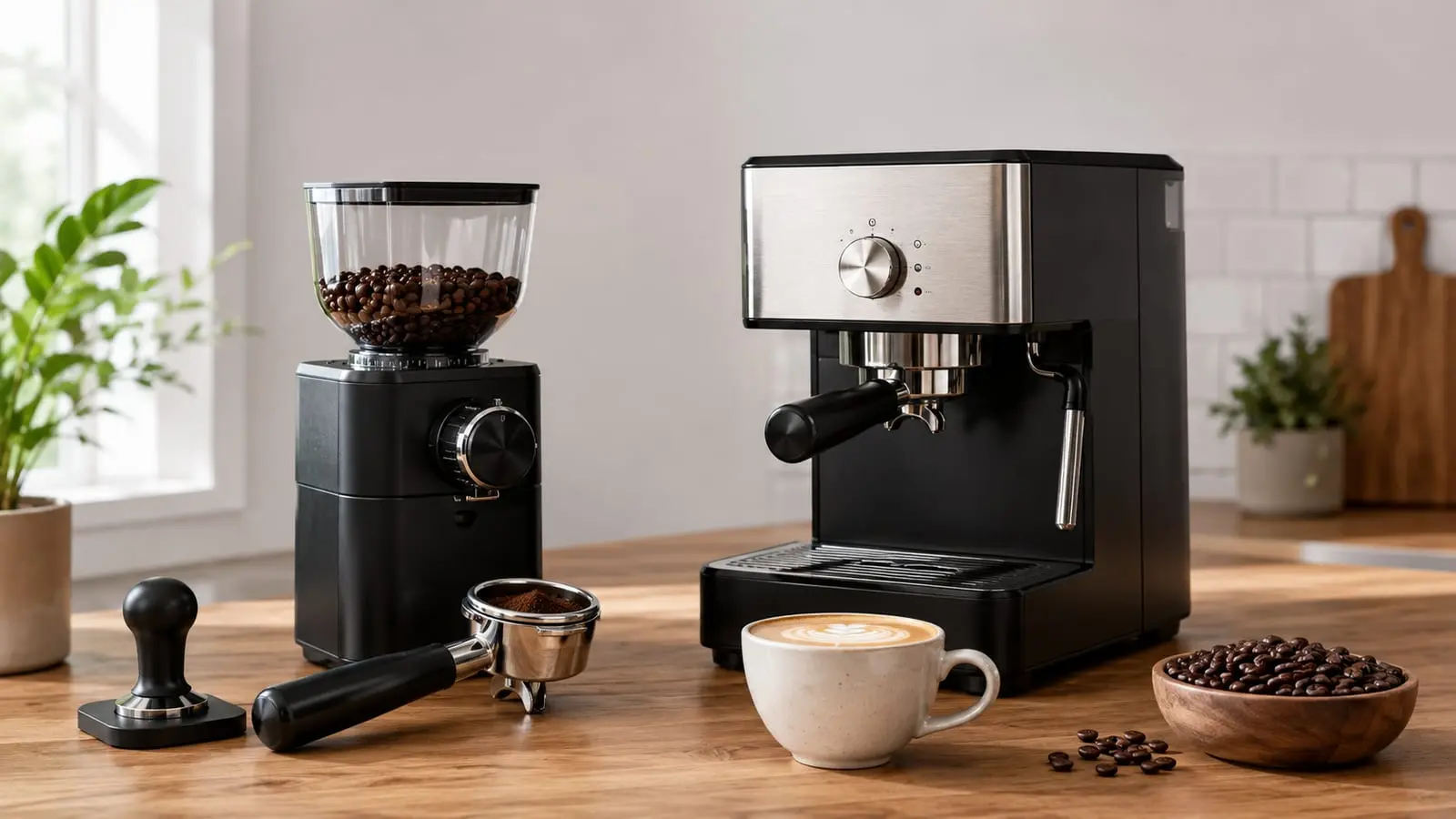
- An espresso machine and grinder
- A steam wand, handheld frother, or jar for the foam
Whole milk gives the smoothest body and the richest foam. A lower-fat milk can still work, but it will feel lighter. Plant milk changes the texture, so use one made for steaming if you want dependable foam.
Medium roast coffee is the safest match. It gives you sweetness and cocoa without the smoky edge of a dark roast. Light roast coffee can work, but its bright acidity may clash with warm milk unless you already enjoy that sharper style.
Skip flavored powder mixes. They often add cocoa, sugar, or artificial flavor before you’ve had a chance to control the cup. Fresh coffee and milk give you a cleaner drink with better texture.
Wiener Melange recipe
The recipe card gives you the complete ingredient list and method. Its practical starting point is one shot of espresso with steamed whole milk, finished with soft foam and an optional dusting of cocoa or cinnamon.
The card takes 15 minutes total, including preparation and cooking. It uses an espresso machine, grinder, and steam wand because that setup gives you the smoothest milk texture and the clearest coffee flavor.
Traditional Wiener Melange recipes often use equal parts espresso and steamed milk. The card’s milkier balance makes a milder, larger cup. Both styles belong to the same family, but they don’t taste equally strong.
Choose your starting point like this:
- Use less milk for a clearer coffee flavor.
- Use more milk for a gentler, creamier cup.
- Add the foam last so it stays light on the surface.
- Use cocoa or cinnamon only as a garnish, not as a rescue for poor coffee.
The goal is a smooth cup where the coffee doesn’t disappear. If you need a heavy dusting of cocoa to make it enjoyable, fix the coffee first.
How to make it at home

Brew the espresso first, then prepare the milk while the coffee is still hot. Grind the espresso beans fresh and brew one strong shot.
Steam the whole milk until it feels smooth and creamy, then reserve the light foam for the top. Keep the texture glossy and loose. Stiff, dry foam belongs on a different drink and collapses into a spoonful of bubbles.
Pour the espresso into your cup and add the steamed milk gently. Follow the card’s stated coffee-to-milk balance. Finish with the foam, then add cocoa powder or cinnamon if you want it.
If the cup tastes weak, use less milk next time or brew a stronger coffee base. If it tastes harsh, use a milder coffee or dilute the espresso slightly with hot water before adding the milk. Change one thing at a time so you know what fixed it.
For a more classic foam technique, the cappuccino method explains how to create smooth milk texture. Use a lighter hand here. Wiener Melange foam should feel soft, not like a stiff cap.
Wiener Melange without an espresso machine
You can make a good melange without an espresso machine. The coffee needs enough strength to stand up to milk, but it doesn’t need artificial pressure or expensive equipment.
Moka pot
A moka pot makes a concentrated coffee that works well with milk. Brew it, then add the hot milk and foam according to the recipe card’s balance.
Don’t pack the basket down like espresso. That can choke the brew and bring out bitter flavors. Use a fresh grind suited to the moka pot and keep the heat controlled.
French press
A French press gives you a fuller, rounder coffee base. Brew it a little stronger than your normal black coffee, then strain carefully before adding milk.
This method won’t taste like espresso. That’s fine. The melange is also made with filter-brewed coffee, and the milk does much of the smoothing work.
Strong filter coffee
Strong filter coffee is the least fussy option. Brew a small amount, then pair it with steamed milk and a cap of foam.
A saucepan and whisk can warm and aerate the milk if you don’t have a frother. A sealed jar also works, but don’t shake boiling milk in a closed container. Let it cool enough to handle safely, then froth it and pour it into the coffee.
Melange coffee in Vienna and beyond
Melange coffee in Vienna isn’t identical at every café. Some places use mild espresso. Others use filter coffee. Milk quantity and foam can shift from one menu to the next.
That variation is why coffee melange can be a slippery term outside Austria. In one country, it may mean brewed coffee with steamed milk. In another, it may describe a sweetened coffee, a cream-topped drink, or a commercial blend of roasted beans.
Some Viennese café versions use half a cup of brewed coffee with half a cup of steamed cream, topped with milk foam. That’s richer than the everyday home version and shows why café recipes shouldn’t be treated as one universal law.
Packaged products can use “melange” for a flavored coffee blend. The label may tell you about the beans or blend, but it doesn’t replace the drink’s preparation.
Fresh ingredients beat commercial melange mixes
A café-made Wiener Melange is built from brewed coffee, heated milk, and foam. Commercial mixes may contain cocoa or other flavorings, which can make the drink sweeter and heavier.
That powder changes more than flavor. It can make the cup taste dusty, flatten the coffee’s aroma, and leave foam that feels thick rather than silky. If you want chocolate, add a small garnish after brewing so you stay in control.
Commercial coffee mixes have their place for convenience. They just shouldn’t be confused with the fresh Viennese drink. Fresh-ground coffee and properly textured milk do the important work.
Serving and adjusting the finished cup

Serve the drink immediately, preferably with a small glass of water. The water clears your palate and keeps the milk from making every later sip taste dull.
Use these fixes when the cup misses:
- Too strong: Add more steamed milk or use a milder coffee base next time.
- Too weak: Reduce the milk or brew the coffee a little stronger.
- Bitter: Use a milder roast, a less concentrated brew, or a splash of hot water with the espresso.
- Flat: Use fresher coffee and make sure the milk isn’t overpowering it.
- Foam too stiff: Froth less aggressively and aim for a glossy, soft texture.
- Foam disappearing: Serve at once and avoid overfilling the cup with liquid milk.
- Too sweet: Leave out added sugar and use fresh milk.
- Too plain: Add a light dusting of cocoa or cinnamon after tasting.
A small amount of sugar can suit the drink, especially with darker coffee. Still, taste the milk and coffee first. You may already have enough sweetness.
The drink is best fresh. Don’t store the assembled cup for later, because the foam collapses and the milk loses its clean texture.
FAQ
What does Wiener Melange taste like?
It tastes smooth, mild, and gently sweet from the milk. The coffee remains present, but the cup has less sharpness than black coffee and less force than a cappuccino.
Can you use decaf coffee for a Wiener Melange?
Yes. The milk and foam method stays the same. Choose a decaf coffee with enough body to remain noticeable after the milk is added.
Does a Wiener Melange always use espresso?
No. Viennese versions can use filter-brewed coffee or mild espresso. A moka pot or strong filter brew works well at home because the drink depends on balance more than machine pressure.
Why is water served with Viennese coffee?
The water refreshes your palate between sips. It also makes the drink feel less heavy, especially when the cup uses rich milk and soft foam.
What pastry goes with a Wiener Melange?
Apple strudel is the classic match. A plain croissant or another lightly sweet, buttery pastry works too. Skip anything heavily frosted, because it buries the coffee’s mild flavor.