
I make my grapefruit espresso tonic when I want a bright, bubbly coffee drink that actually cools me down on hot days and still smells like real coffee.
The first sip hits citrus sparkle, then the crema aroma curls over the surface. I start by chilling the can and glass so the bubbles stay lively and the ice doesn’t melt too fast.
Use a fruit-forward coffee — Ethiopian beans usually sing here — and try a 1:4 shot-to-fizzy ratio as a starting point. Build the drink in a tall glass: ice, chilled tonic water, then a gentle pour of hot espresso so it layers neatly.
It’s an easy summer recipe that feels a bit like a cocktail but is just coffee and soda. If you want a twist, check how I paired citrus and coffee in this short guide: cranberry-orange espresso tonic.
Key Takeaways
- Chill the can and glass to protect fizz and texture.
- Use a bright, fruit-forward coffee for best citrus pairing.
- Try a 1:4 espresso-to-tonic ratio and tweak to taste.
- Build the drink over ice: tonic first, then a gentle espresso pour.
- Serve immediately so the bubbles and layers stay lively.
Why this sparkling coffee hits the spot on hot days
Hot weather calls for a sparkling coffee that stays crisp from first sip to last. The carbonation lifts the high notes of a light roast. That bright citrus and berry character feels cleaner than a standard iced coffee.
Cold temps matter. Chilled tonic water keeps fizz and slows dilution when you pour over ice cubes. The chill also tames bitterness while quinine adds a sharp, lively bite—more like zest than pith.

- Fizz pushes citrus and berry notes forward, so the flavor reads brighter.
- Start by pouring chilled tonic water onto ice to preserve carbonation.
- Use fruit-forward coffees or a light-roast brew for clarity and sparkle.
- Pre-chill your glass, pour slowly, and don’t shake the can—small moves keep it crisp.
| Feature | This drink | Iced coffee |
|---|---|---|
| Temperature effect | Chill preserves brightness | Can dilute faster |
| Texture | Snappy bubbles and ice | Flat, smooth |
| Flavor focus | Citrus, quinine, clean notes | Roast and body |
What you’ll need for a crisp, balanced coffee drink
Start by lining up a few simple items so you can build a crisp, balanced drink in minutes. I keep this station compact: tools on one side, cold ingredients on the other.
Simple ingredient list
- Freshly pulled espresso (about 1 shot).
- 4 oz chilled tonic water; use cold water to protect bubbles.
- A strip of grapefruit peel or a splash of juice for brightness.
- Ice or large ice cubes to slow dilution.
- Optional simple syrup or oleo-saccharum for sweetness.
- A couple drops of vanilla if you want a rounder finish.

Gear that helps
- Large glass (a highball is ideal) — gives foam and bubbles room to rise.
- Clear ice cubes or large cubes — they melt slowly and look clean.
- Citrus peeler — extracts oils without pith.
- Small pitcher — pull the shot into it to pour gently and avoid splashes.
Yield, time, and serving
This recipe makes one cup in about 5 minutes. My base ratio: one ounce shot to four ounces chilled tonic. Serve in a tall glass over clear cubes and garnish by expressing a peel over the top.
| Yield | Time | Serving glass |
|---|---|---|
| 1 drink | ≈5 minutes | Tall highball or large glass |
If you want a twist, try the cranberry-orange variation linked here: cranberry-orange espresso tonic. It’s a nice reference for pairing citrus and coffee at home.
How to make it at home: fast, fizzy, and foolproof
Make this at home in five minutes for a fizzy, layered pick-me-up that’s easy to nail. I keep the routine tight so the bubbles and coffee notes stay bright.
Chill everything so the ice doesn’t melt away your flavors
Pre-chill the can and a large glass. Cold glass protects the carbonation and slows melting.
Build on ice: pour tonic water first to protect the bubbles
Fill the glass to the top with ice cubes. Add chilled tonic water gently to lock in fizz and form a cushion for the hot shot.
Pull the shot and pour gently to float the coffee
Pull a shot espresso into a small pitcher. Pour slowly down the side or over the back of a spoon so the crema floats instead of erupting.
Blend or sip the layers—two legit ways to enjoy it
- Try a 1:3 to 1:4 espresso-to-tonic ratio as a starting point. Taste and adjust with a splash of water or tonic.
- For layered sipping, don’t stir—your first sips are espresso-forward, then they brighten as you go.
- For even flavor, give it a quick stir and drink right away while the bubbles are lively.
Notes I rely on: slow pour to control foam, never shake the bottle, and serve immediately. These small tips keep this recipe consistent at home.
Choose the right coffee, tonic water, and ratios
Start by matching a fruit-forward shot to a crisp, well-chilled mixer. I lean light-to-medium roasts that sing citrus and floral notes. Ethiopian single origins are my go-to when I want lift and clarity.
Espresso and alternatives
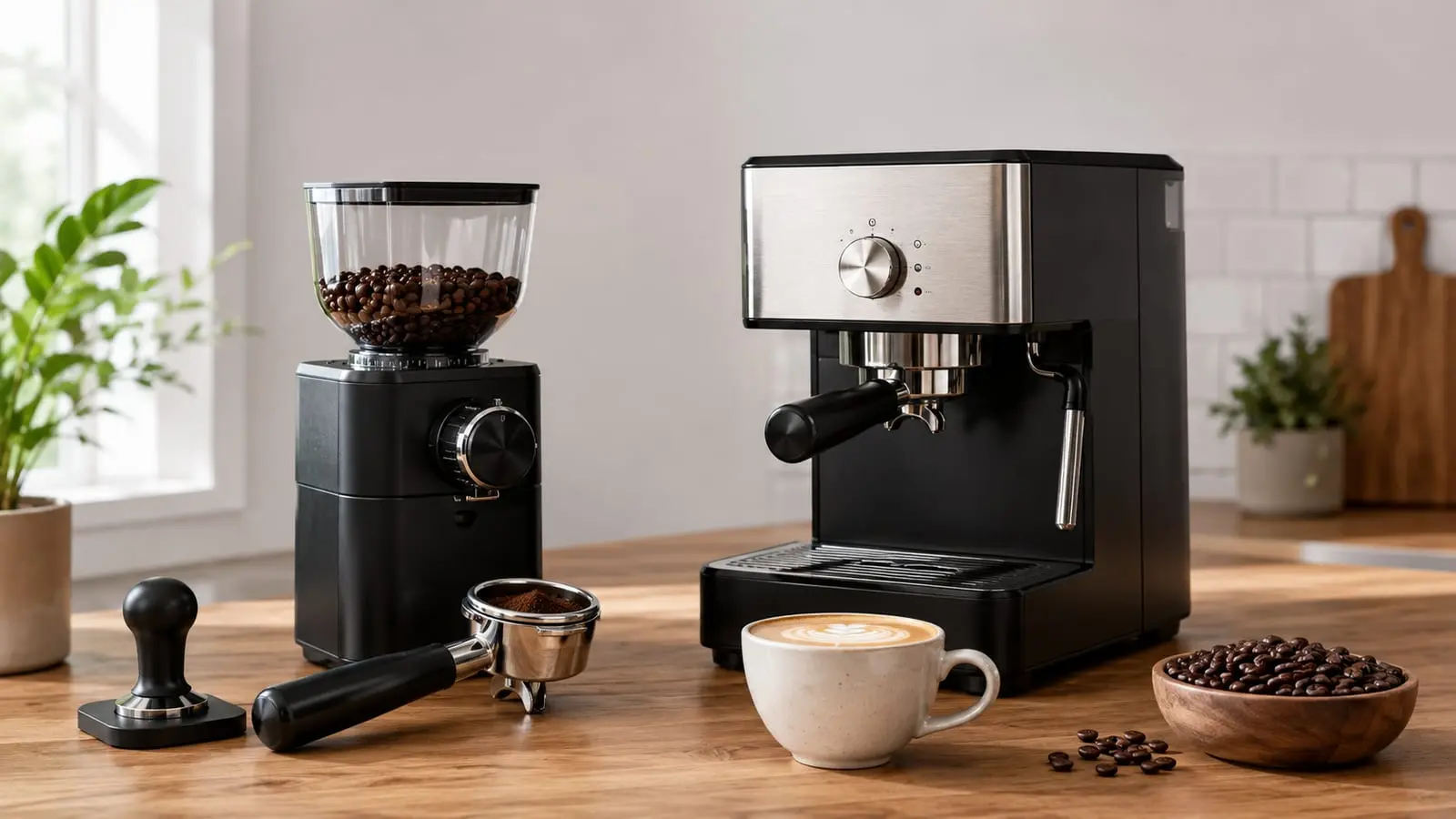
If you lack an espresso machine, pull a strong Aeropress or use concentrated cold brew. A robust iced coffee can work too. Dial strength so the coffee still cuts through the fizz.
Tonic matters
Pick a high-quality tonic water with balanced sweetness and a clean quinine finish. Fever-Tree is a dependable choice. Chill the bottle so it won’t flatten the ice when poured.
My go-to ratio
I start at one part coffee to three or four parts mixer. Use 1:4 for punchy shots and 1:3 for delicate brews. If it feels heavy, add a splash of tonic water; if too thin, drop the mixer slightly.
| Component | Best pick | Use case |
|---|---|---|
| Coffees | Ethiopian single origin | Bright citrus and floral notes |
| Alternatives | Aeropress, cold brew | When no machine is available |
| Tonic | Fever-Tree (well-chilled) | Balanced sweetness, clean quinine bite |
Dialing in espresso tonic with grapefruit for bright, citrusy balance
Dialing in the citrus balance makes this bubbly coffee sing without stealing the show. I test small changes and taste between pours. That helps me avoid drowning the shot in juice.
Juice, zest, or syrup: pick the right format
Juice adds direct tartness. Start at 0.5–1 ounce so the drink stays coffee-first. Too much juice mutes the brew.
Zest or a wide peel boosts aroma with almost no sweetness. I express oils over the glass for instant lift.
Syrup gives rounder mouthfeel. Use 1/4–1/2 ounce to preserve bubbles and balance.
Sweetness control and small finishing touches
Stir simple syrup 1/2 teaspoon at a time. You can always add more, never take it out. Oleo-saccharum brings silk and depth when you want peel-forward sweetness.
A few drops of vanilla smooth sharp edges and warm the cup. Use sparingly so the coffee notes still shine.
| Format | Effect | Suggested dose |
|---|---|---|
| Juice | Bright, tart; can mute coffee if overused | 0.5–1 oz |
| Zest/Peel | Strong aroma, dry profile, minimal sweetness | Express oils or use wide peel |
| Syrup / Oleo-saccharum | Round mouthfeel, deeper peel notes, smoother sweetness | 0.25–0.5 oz or ½ tsp sugar macerate |
| Vanilla | Warms and rounds acidity; subtle | 2–4 drops |
Variations and pro tips you’ll actually use
If you like to tinker, these easy swaps give you big flavor without killing the bubbles. I keep changes small so the core coffee drink stays bright.
Cold brew or iced coffee tonic
Cold brew tonic: use 2–3 oz of concentrated cold brew to 4–6 oz chilled tonic water for a smoother, lower-acid drink. This is my go-to when I want a mellow cup that still fizzes.
Iced coffee tonic: pour strong chilled coffee over ice, then add soda or tonic last to protect bubbles. Keep the coffee cold so dilution stays low.
Flavor boosts and syrups
Start small. Floral syrups (lavender, elderflower) or maple should begin at 0.25–0.5 oz. Vanilla syrup works great as a swap for extract—add 1/4–1/2 oz, taste, then adjust.
Bitters, herbs, and seasonal ideas
- Herbs: smack a mint sprig or express a rosemary sprig over the glass for aroma—no muddling needed.
- Bitters: 2 dashes of orange or cardamom add depth without sugar.
- Seasonal ideas: summer citrus peels, fall cinnamon stick, winter cranberry syrup plus thyme.
| Variation | Measure | Effect |
|---|---|---|
| Cold brew tonic | 2–3 oz concentrate : 4–6 oz tonic water | Smoother, lower acidity |
| Iced coffee tonic | Strong chilled coffee : 4–6 oz soda/tonic | Quicker prep, retains fizz |
| Flavored syrup | 0.25–0.5 oz | Adds aroma, keeps bubbles lively |
| Herb or bitters garnish | 1 sprig or 2 dashes | Bright aromatic lift |
Pro tip: always build over fresh ice—tonic or soda first, then the coffee. Pour slowly so you keep those neat layers and a crisp mouthfeel. Try one idea at a time and note what you like. That’s the fastest way to find your favorite variation.
Serve it right: garnish, texture, and the best moment to drink
A quick garnish and a tall glass make this sparkling brew feel deliberate and fresh.
Fill a tall glass packed with fresh glass ice or large ice cubes so bubbles stay tight and the layers look sharp.
Express a lemon or grapefruit peel over the top to mist oils across the cup, then drop the peel in as a simple garnish.
If you want silkier texture, give one gentle stir. If you love the layered look, sip first and then decide whether to mix.
Serve immediately—this recipe is best in the first few minutes when carbonation and crema are both present. A tiny touch of vanilla or a hint of juice helps only when the espresso tastes edgy; keep sweetness restrained.
For a soda-forward finish, add a splash of soda or water at the end. For more coffee presence, float another half shot. If you also like exploring, try a chilled cold brew version in a chilled cup to compare notes.
Best time to drink? Sunny afternoon breaks or post-brunch cool-downs in summer—any place that calls for a crisp, sparkling pick-me-up.