Pink Bourbon coffee earns its “unique brew” label with floral aromas, bright fruit, clean sweetness, and a tea-like finish. However, the name can’t rescue stale beans or careless processing. The best cups come from traceable Colombian lots, fresh roasting, careful cultivation, and a brew you’ve tasted and adjusted.
Last updated: 2026-08-26

Pink Bourbon Coffee Brew
Ingredients
Method
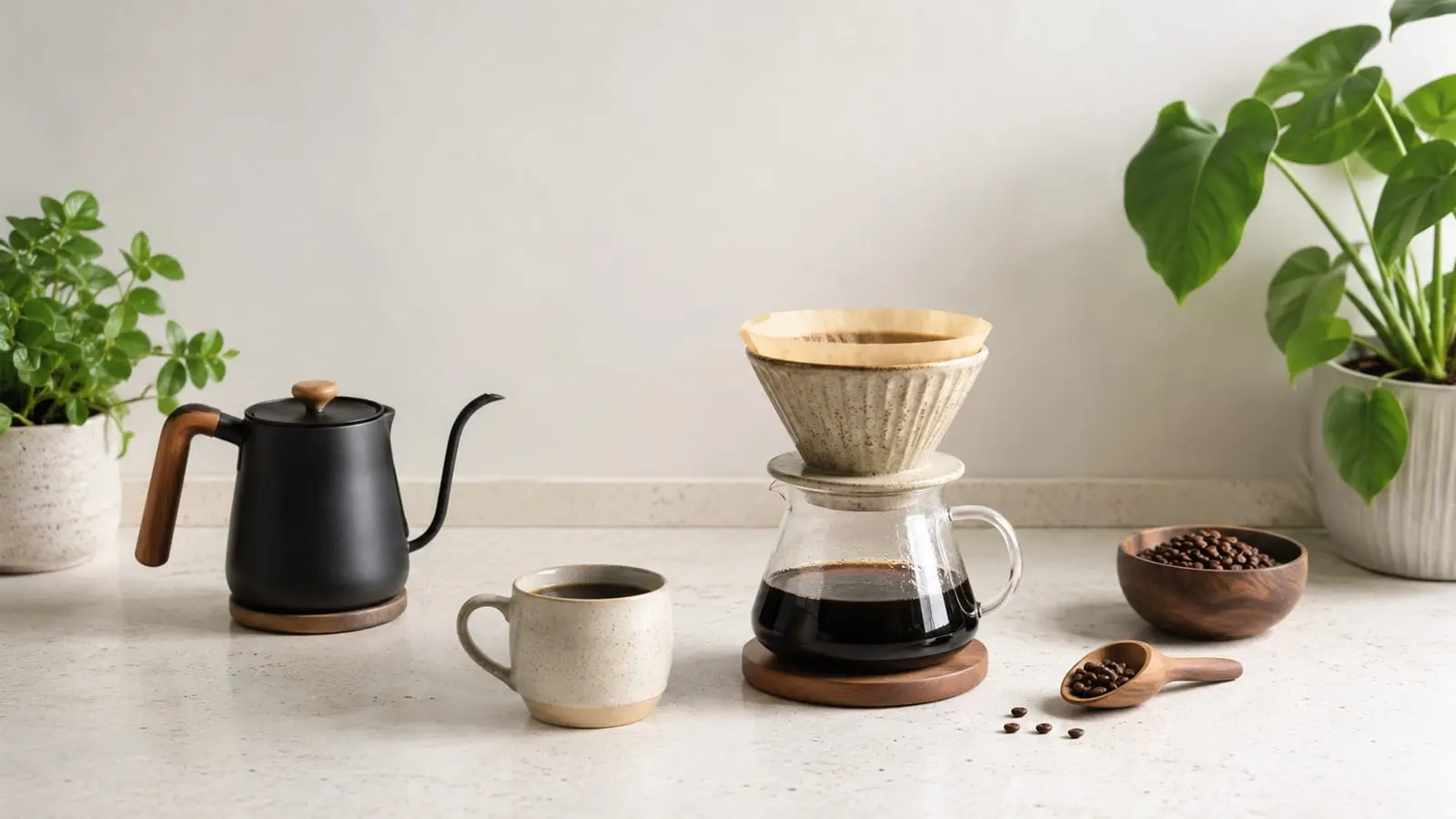
- Gather your coffee brewer (pour-over, French press, or Aeropress), grinder, and gooseneck kettle (if available).
- Use a burr grinder to grind 2 tablespoons (10g) of Pink Bourbon coffee beans to a medium-fine consistency.
- Heat 1 cup (240ml) of filtered water to about 200°F (93°C). If you don’t have a thermometer, let the water boil and then sit for 30 seconds.
- If using a pour-over, place a filter in the dripper and rinse it with hot water. Discard the water. For French press or Aeropress, set them up according to the manufacturer’s instructions.
- Place the ground coffee into the filter (for pour-over) or directly into the French press or Aeropress.
- Slowly pour hot water over the coffee grounds, ensuring even saturation. If using a pour-over, pour in a circular motion. For French press or Aeropress, follow the recommended pouring technique.
- Let the coffee steep for 3-4 minutes. Adjust the time slightly based on your taste preference.
- For a French press, press the plunger down. For an Aeropress, press the plunger down before serving.
- Pour the brewed coffee into your cup. Add sugar, sweetener, milk, or cream if desired.
Notes
Is Pink Bourbon coffee a unique brew?
Yes. Pink Bourbon is a distinctive coffee variety known for cherries that turn pink when ripe and beans with strong floral and fruit potential. The color belongs to the ripe coffee fruit, not the roasted bean in your bag.
You may also see sellers call them pink coffee beans. That’s loose wording. After processing, the raw beans look pale green or tan, while roasting turns them brown.
Pink Bourbon coffee isn’t dyed, flavored, or mixed with rose petals. If a bag contains colored beans or added flavoring, you’re looking at a novelty product. Read the label before paying a premium.
Pink Bourbon genetics and plant traits
Pink Bourbon coffee cherries develop a salmon-pink color at maturity. That color comes from modified anthocyanin pigment expression. Anthocyanins are plant pigments responsible for many red, purple, and blue shades.
The color is linked to a genetic variation that changes the cherry’s pigmentation as it ripens. That makes harvesting trickier because workers need to recognize the right shade of pink rather than wait for deep red fruit.
You’ll often hear that Pink Bourbon is a natural cross between Red Bourbon and Yellow Bourbon. It’s a tidy origin story, which is exactly why it gets repeated. The lineage hasn’t been settled well enough to treat that claim as fact.
Genetics matter because they shape plant growth, cherry color, disease response, and cup potential. Still, variety is only the starting material. Soil, weather, processing, roasting, and brewing decide how much of that potential reaches your cup.
The Bourbon family of coffee varieties
Bourbon is a major family within Arabica coffee. Traditional Bourbon plants are valued for sweetness and cup quality, though they can be demanding to grow. The World Coffee Research variety catalog gives useful background on documented coffee varieties and their farm traits.
Coffee variety names can refer to inherited plant traits, local selections, mutations, or farmer-observed differences. They don’t always provide a complete genetic family tree.
| Variety name | Ripe cherry color | What the name tells you |
|---|---|---|
| Red Bourbon | Red | A traditional Bourbon selection with red ripe fruit |
| Yellow Bourbon | Yellow | A selection with different ripe-fruit pigmentation |
| Pink Bourbon | Salmon-pink | A distinctive pigmentation trait with lineage still under study |
That uncertainty doesn’t make Pink Bourbon fake. It means the coffee trade got ahead of the genetic paperwork. Treat the name as a useful plant label, not a full ancestry report.
If you want more context, this guide to distinctive coffee varieties explains how variety affects flavor without pretending it controls everything.
Its Colombian origin and reputation
Pink Bourbon built its specialty-coffee reputation in Colombia, especially through small, carefully separated lots. Producers noticed plants with pink ripe cherries, kept their seeds apart, and continued selecting them for cultivation.
The early history is less tidy than many product pages suggest. There isn’t one clean discovery story with a universally accepted farm, date, and genetic record. Claims about a lucky Bourbon cross should be read as trade history unless they come with documented plant research.
Colombia still matters to the story because farmers there turned an unusual field selection into a recognizable coffee category. Better separation and processing also helped buyers taste what the plants could offer. The result was a coffee associated with bright aromatics, high sweetness, and careful lot handling rather than bulk production.
How producers cultivate Pink Bourbon
Pink Bourbon needs attentive picking because its ripe cherries don’t follow the familiar deep-red signal. Workers must learn which salmon-pink shade indicates proper maturity. Pick too early and the coffee may taste grassy or sharply sour; pick too late and fermented flavors can take over.
Higher-elevation farms often allow cherries to mature more slowly, which can support sweetness and acidity. However, elevation alone proves little. Shade, plant health, rainfall, soil care, and harvest timing all affect the result.
After picking, producers sort out underripe, damaged, and overripe fruit. That work is slow, but it prevents a few rough cherries from muddying an otherwise clean lot.
Processing changes the cup
Processing means removing and drying the fruit around the coffee seed. Each approach pushes Pink Bourbon in a different direction.
| Process | Likely effect in the cup | Main risk |
|---|---|---|
| Washed | Cleaner acidity, floral clarity, crisp citrus | Thin or sharp flavor if the coffee is poorly developed |
| Honey | More sweetness and rounder fruit | Uneven drying can create muddled flavors |
| Natural | Fuller tropical fruit and heavier sweetness | Excess fermentation can taste boozy or overripe |
Fermentation is the controlled breakdown of fruit material around the seed. Producers may adjust it by separating batches and monitoring how the coffee changes before drying. More fermentation doesn’t automatically mean more flavor. Push it too far and every variety starts tasting like the process.
Our guide to honey-processed coffee explains why that middle method can produce such rounded sweetness.
Flavor profile and cup potential

A good Pink Bourbon can taste floral, bright, and unusually clear. Common notes include citrus, tropical fruit, berries, honey-like sweetness, and delicate tea. Some lots feel silky, while lighter washed versions can be crisp and almost weightless.
Pink Bourbon usually suits drinkers who enjoy aromatic, fruit-led coffee. If you want dark chocolate, smoke, and a heavy roast flavor, choose a darker coffee instead.
Processing can move those flavors around. A washed lot may show jasmine, citrus, and clean acidity, while a natural lot can lean toward ripe tropical fruit. Meanwhile, roasting too dark strips away much of the distinction you paid for.
Flavor notes aren’t added ingredients. They’re tasting comparisons based on aroma, acidity, sweetness, and texture. A label that says pink grapefruit should suggest bright citrus, not flavored coffee.
Traceability matters more than rarity
A credible bag of Colombia Pink Bourbon should tell you where the coffee came from and how it was handled. “Rare Colombian coffee” is sales copy. It gives you nothing useful for brewing or judging quality.
Look for these details:
- Producer or farm name
- Region within Colombia
- Pink Bourbon listed as the variety
- Washed, honey, natural, or another clearly described process
- Harvest or lot information
- Visible roast date
- Specific tasting notes
- Whole-bean packaging
Region matters because climate and growing conditions change across Colombia. Producer information matters because farming and processing choices can vary even between neighboring properties.
Meanwhile, the roast date tells you whether the coffee still has the aromatics you’re buying it for. A famous variety sitting stale on a shelf is still stale coffee.
A producer spotlight from Huila
A documented example comes from La Pelota in Huila, Colombia. Maria Rovira Muñoz de Burbano produced a 300 kg washed Pink Bourbon lot entered in the Colombia 2022 Cup of Excellence competition. The competition record identifies it as the highest-scoring Pink Bourbon entry in that event.
That record is useful because it names the producer, place, variety, process, and lot size. It doesn’t prove that every coffee carrying the same variety name will taste similar.
Careful Pink Bourbon production usually means picking cherries at an even stage of ripeness, removing defects, separating batches, controlling fermentation, and drying the coffee evenly. Producers can then taste each batch and keep the cleanest lots apart. That practical work builds quality; the pink cherry only opens the door.
What makes the best Pink Bourbon coffee
The best Pink Bourbon coffee is fresh, traceable, and roasted to preserve the flavors you want. Buy the lot, not the legend.
Use this buying order:
- Check the roast date. Floral and fruit aromas fade as roasted coffee sits.
- Find the producer and region. A country name alone is thin traceability.
- Read the process. Washed, honey, and natural lots won’t taste the same.
- Match the notes to your preferences. Choose citrus and florals for clarity or ripe fruit for a fuller cup.
- Buy whole beans. Grind immediately before brewing.
- Skip vague rarity claims. Scarcity doesn’t fix poor roasting or sloppy processing.
A light-to-medium roast is usually the safest choice for showing Pink Bourbon’s floral and fruit character. Dark roasting can work if you prefer heavier flavors, but much of the variety’s detail will be gone.
Brewing Pink Bourbon without expensive gear

The recipe card below uses 10 grams of fresh-ground coffee with 240 milliliters of filtered water. That’s a light 1:24 ratio, so expect a delicate cup. If it tastes thin, use more coffee next time rather than extending the brew until it turns bitter.
A burr grinder matters more than a fancy brewer because even grounds extract at a similar pace. Start with the card’s medium-fine grind. If the cup tastes harsh or dry, back off a click; if it tastes sour and weak, grind a little finer.
For pour-over, wet all the grounds evenly and let the first splash bloom. A bloom is the brief release of trapped gas when hot water first reaches fresh coffee. Then pour steadily and give it a gentle stir if dry pockets remain.
The card also works with a French press or AeroPress. Each brewer changes the body more than the bean’s basic flavor. Pour-over gives the clearest cup, while the other methods feel rounder and heavier.
For more help with water flow and grind adjustment, see this Colombian coffee brewing guide.
Tips, variations, and storage
Taste the coffee black before adding anything. That first sip tells you whether the brew is balanced or needs adjustment.
- Add sugar or another sweetener if the acidity feels too sharp.
- Use a splash of milk or cream for a softer, rounder cup.
- Choose pour-over when you want floral clarity.
- Use French press when you want more body.
- Pick AeroPress for a punchier cup with little cleanup.
- Change one brewing detail at a time so you know what worked.
Brewed Pink Bourbon tastes best fresh. If you have some left, move it to a covered container and refrigerate it once it has cooled. Reheating will flatten the floral notes, so serving it cold over ice usually works better.
Store the beans whole in an airtight container away from heat, moisture, and direct light. Skip the fridge for your bean container because condensation and food odors can dull the coffee.
Pink coffee beans versus ordinary beans
The visual difference appears on the plant, not in your mug. Pink Bourbon cherries turn pink at ripeness, while many common coffee varieties ripen red or yellow.
| Feature | Pink Bourbon | Other coffee varieties |
|---|---|---|
| Ripe fruit | Salmon-pink | Often red or yellow |
| Processed raw bean | Pale green or tan | Pale green or tan |
| Roasted bean | Brown | Brown |
| Flavor potential | Often floral, fruity, bright, and tea-like | Depends on variety, origin, process, and roast |
| Added color or flavor | None by definition | None unless the label says otherwise |
You can’t confirm Pink Bourbon by staring at roasted beans. Once roasted, they look like ordinary coffee. Traceability and honest labeling carry more weight than color claims.
Pink Bourbon is worth trying
Pink Bourbon coffee is a unique brew for anyone who enjoys bright acidity, floral aroma, tropical fruit, and clean sweetness. It’s less convincing for drinkers who want dark, smoky coffee covered with milk.
Buy it because the producer, process, roast, and flavor notes make sense. Don’t pay extra just because the bag says rare. Fresh beans and a dialed-in brew will beat a neglected prestige lot every morning.
FAQ
Does Pink Bourbon coffee have more caffeine?
The variety name doesn’t give you a reliable caffeine answer. Roast, brewing method, serving size, and the amount of ground coffee have a larger practical effect on what ends up in your cup.
Can you make espresso with Pink Bourbon beans?
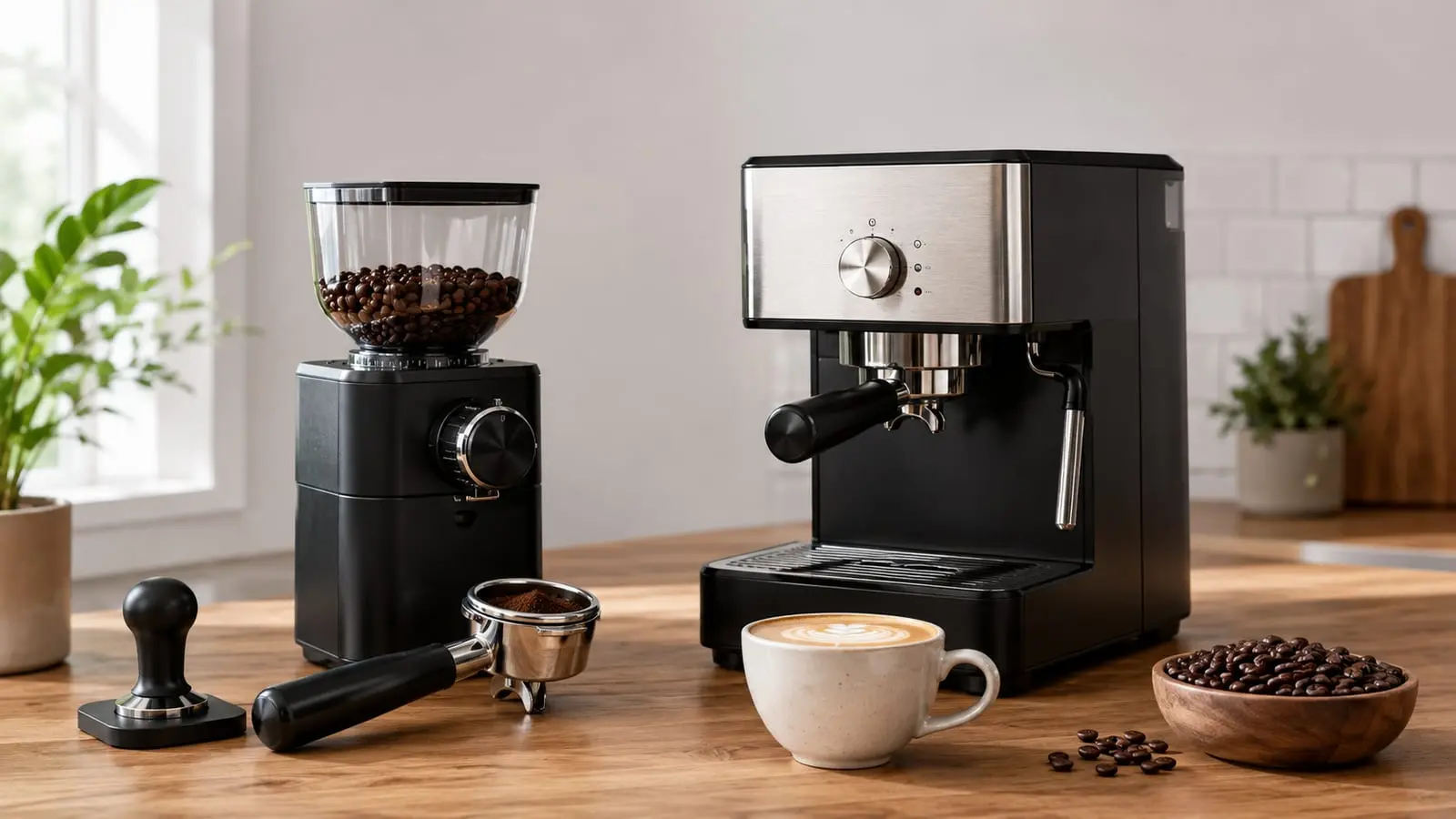
Yes. Pink Bourbon can make bright, aromatic espresso with lively fruit and a silky finish. However, lighter roasts may taste sharply sour if the shot runs too quickly, so grind finer and taste again before changing several settings.
Why does Pink Bourbon often cost more?
Supply is limited, and ripe pink cherries demand careful selection during harvest. Small separated lots also require more tracking and handling. Those costs can be reasonable, but a high price still doesn’t guarantee a good roast.
Can Pink Bourbon be blended with other coffee?
Yes, though blending can hide the delicate flavors that make the variety interesting. Try it alone first. If the acidity feels too bright, blending it with a sweeter, fuller coffee can produce a more balanced cup.
Does all Pink Bourbon come from Colombia?
Colombia is most closely tied to Pink Bourbon’s development and reputation, but plants and seeds can move. Check the country, region, producer, and variety details on the bag rather than assuming the origin from the name alone.