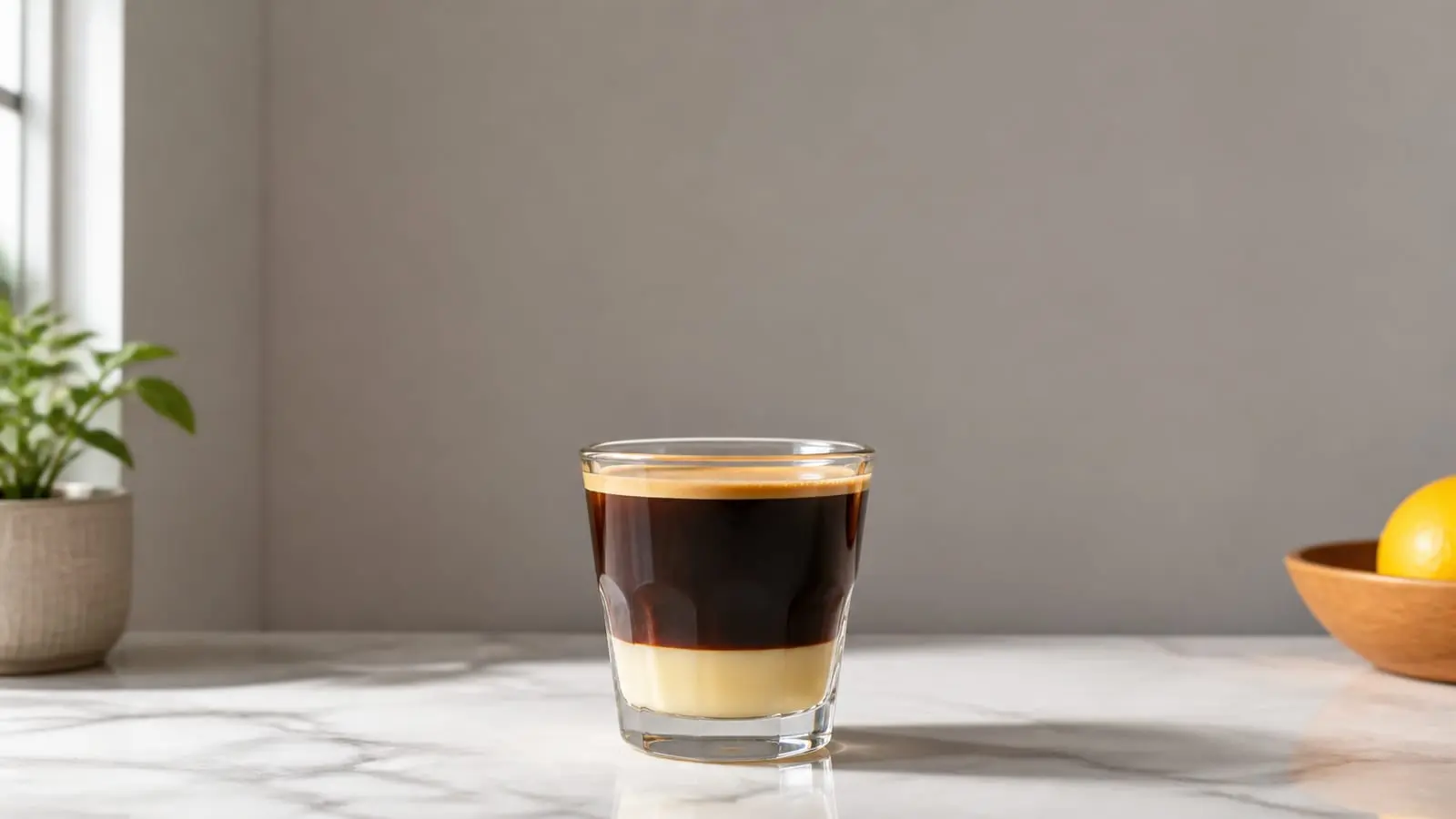
Yuanyang milk tea is a delicious Hong Kong-style blend of strong black tea, fresh coffee, milk, and measured sweetness. Tea gives the drink structure and a bright aromatic lift. Coffee adds roast, bitterness, and body. Milk rounds the edges, while sugar brings the flavors together without turning the cup into dessert. The best ratio comes from tasting and adjusting, not expensive gear or rigid rules.
Last updated: 2026-08-26
Yuanyang is a coffee tea drink with a split personality that somehow stays balanced. Use strong tea and assertive coffee, then keep both fresh. If one flavor takes over, the fix is usually a small ratio change.

Yuanyang Milk Tea
Ingredients
Method
- Brew the Tea: In a saucepan, bring 1 cup of water to a boil. Add black tea leaves and steep for 3-5 minutes until strong. Strain the tea and set it aside.
- Prepare the Coffee: Brew 1 cup of coffee using your preferred method (espresso, drip, or instant).
- Combine Ingredients: In a serving cup, mix the brewed tea and coffee together.
- Add Milk and Sugar: Stir in milk and sugar to taste, adjusting for sweetness and creaminess.
- Serve Hot or Cold: Enjoy hot or pour over ice for a refreshing iced Yuanyang.
Notes
How does yuanyang milk tea become a delicious blend of flavors?
The first sip is roasted and creamy, with black tea sitting underneath the coffee. You may notice caramel-like sweetness, gentle bitterness, and a dry edge from the tea. Milk softens the finish without erasing the coffee or tea.
That balance makes yuanyang different from an ordinary milk tea. Coffee brings weight and roast. Black tea brings tannic structure, which means a light drying sensation that keeps the drink from tasting flat.
Sweetness should support the blend. Too little sugar can make the coffee and tea taste sharp. Too much covers the roasted flavors and leaves you with a sugary milk drink.
Yuanyang milk tea: a delicious blend of flavors works because each ingredient has a job. The drink tastes layered instead of muddled.
Hong Kong roots and alternative names
Yuanyang comes from Hong Kong’s coffee-milk-tea tradition. You’ll also see it written as yuenyeung, yuan yang drink, yuan yang coffee, coffee milk tea, Hong Kong coffee tea, or Hong Kong-style coffee.
The Cantonese term yuanyang literally means male and female mandarin ducks. That name fits the pairing: two distinct parts sitting together in one drink. You can learn more about the bird behind the name through mandarin ducks.
Hong Kong’s milk tea culture gives the drink its backbone. Strong black tea and milk were already a familiar combination. Coffee adds another roasted layer, creating the coffee tea blend people now order as yuanyang.
The name changes across menus, but the basic idea stays put. Look for the words yuanyang, yuenyeung, or coffee milk tea when you’re ordering.
Why coffee and black tea work together
Coffee and tea share bitterness, but they don’t taste bitter in the same way. Coffee supplies roasted depth, cocoa-like notes, and body. Black tea adds fragrance, tannin, and a cleaner finish.
That contrast keeps the drink lively. Coffee alone can feel heavy with milk. Tea alone can feel thin if it lacks enough strength. Together, they fill in each other’s gaps.
Fresh coffee matters here because stale coffee tastes papery and dull. Brew it shortly before mixing. Strong black tea matters just as much, since weak tea disappears as soon as milk and coffee arrive.
Use a full-flavored black tea rather than a delicate tea. The blend needs enough character to stand beside coffee.
The right tea-to-coffee balance
There isn’t one sacred ratio for every yuanyang drink. Published Hong Kong recipes use different balances, including 1:1 coffee to milk tea and 3 parts coffee to 7 parts tea. Those are useful starting points, not commandments.
| Balance | What you’ll taste | Best use |
|---|---|---|
| 1:1 coffee to milk tea | Coffee balances the milk tea | A bold, balanced hot cup |
| 3 parts coffee to 7 parts tea | Tea leads, with coffee underneath | A lighter, more tea-forward drink |
| More coffee than tea | Darker, heavier, and more bitter | Coffee drinkers who want tea in the background |
| More tea than coffee | Brighter and drier | Tea drinkers who want extra roast |
Start with the recipe card’s equal brewed tea and coffee approach. Then taste before adding more sugar. If the tea vanishes, brew a stronger tea next time or shift toward the tea-forward balance. If coffee dominates, reduce its share rather than burying the drink under milk.
The right yuanyang tea has a clear tea aroma and a noticeable coffee finish. You shouldn’t have to guess which ingredients are in the cup.
Whole-milk steeping builds a richer cup
Whole milk gives yuanyang a fuller, silkier texture. Some Hong Kong-style methods gently steep strong tea with whole milk, which creates a rounder drink and lets the milk carry more tea flavor.
Keep the heat gentle. Scorched milk tastes sweet, cooked, and slightly bitter, while high heat can flatten the tea’s aroma. One published Hong Kong coffee milk tea method brings the milk to steaming in about 12 minutes. That method belongs to its own preparation, so don’t change the recipe card’s water-brewed tea method if you’re making this version.
For the recipe on this page, brew the tea in water, prepare the coffee separately, then stir in the milk. That approach is easier to control and gives you a cleaner way to taste the tea and coffee before adjusting the cup.
Evaporated milk, condensed milk, and sweetness
Evaporated milk adds creaminess without pushing the drink into candy territory. It’s the better choice if you want the coffee and tea to stay sharp and visible.
Sweetened condensed milk brings more body and a strong caramel note. It also adds sugar quickly, so start with less sweetness and taste before adding more. A splash can make a thin cup feel richer, but too much will cover the tea.
Regular milk works well in the recipe card and gives you a lighter, softer drink. Whole milk is the richest option. Evaporated milk lands between regular milk and condensed milk in texture, while condensed milk is the sweetest choice.
Sugar is part of the classic balance, but it shouldn’t be the main flavor. Add it gradually. Yuanyang should taste creamy, roasted, and fragrant before it tastes sugary.
Hot and iced yuanyang serving methods

Hot yuanyang keeps the flavors closest to the brewed ingredients. Serve it soon after combining the tea, coffee, milk, and sugar. Heat makes the roast smell fuller, while the tea’s dry finish keeps the cup from feeling too rich.
For iced yuanyang, make the tea and coffee strong enough to handle melting ice. Pour the finished drink over ice rather than adding ice to weak tea and hoping for the best. That creates a watery coffee tea drink with very little tea character.
Chilled yuanyang has a softer texture and a cleaner finish. It’s refreshing, but cold temperatures mute aroma, so the tea and coffee need enough strength before chilling.
Milk also changes how you judge the ratio. A hot cup may taste balanced, while an iced cup can seem weaker after dilution. Taste the drink cold before adding more sugar. Cold sweetness reads differently, and extra sugar is hard to remove.
A dependable yuanyang milk tea method

The recipe card provides the full ingredient list and steps. Follow that sequence because it keeps the two brews separate long enough to adjust them.
- Brew the black tea until it tastes strong and fragrant.
- Prepare fresh coffee using drip coffee, espresso, or instant coffee.
- Mix the tea and coffee before adding milk.
- Stir in the milk and sugar gradually.
- Taste the hot drink, or pour it over ice for an iced yuanyang.
The coffee choice changes the drink’s weight. Drip coffee gives a familiar, rounded base. Espresso makes the cup punchier. Instant coffee works in a pinch, but its roast can taste harsher, so keep the tea strong enough to stay present.
If coffee-and-tea combinations interest you, try this guide to coffee tea mix recipes. Yuanyang is the one to start with if you want milk and sweetness to smooth the edges.
Fix an unbalanced cup
Small changes work better than rebuilding the drink. Change one thing, taste again, and keep the adjustment that helps.
- Too bitter: Use less coffee next time, or brew the coffee a little lighter. If the tea tastes harsh, shorten its steeping instead of adding more sugar.
- Weak tea: Brew stronger black tea or move toward the tea-forward 3:7 balance. Adding milk will only make a weak tea base harder to taste.
- Harsh coffee: Use fresher coffee or reduce its share. Espresso can overwhelm the tea quickly.
- Thin texture: Use whole milk or evaporated milk. Condensed milk adds body too, but it also adds plenty of sweetness.
- Too sweet: Add more unsweetened tea or coffee if you have it. Otherwise, make the next cup with less sugar.
- Too milky: Add a little more brewed tea and coffee in the same balance. More milk won’t fix a drink that already tastes washed out.
- Flat flavor: Check freshness first. Old coffee and weak tea leave you with sweetness and milk but no structure.
The cleanest cup has a strong tea aroma, a clear coffee finish, and enough milk to make both feel smooth. If you taste only sugar, the balance has already gone too far.
Variations worth keeping
A hot yuanyang is the best starting point because you can judge the full aroma. Once that works, the iced version makes sense. Ice changes the strength, so don’t copy a hot cup without tasting the chilled result.
For a richer drink, choose whole milk. For a more traditional coffee-milk-tea direction, try evaporated milk or a small amount of sweetened condensed milk. Each one changes texture and sweetness, so pick based on the cup you want.
You can also adjust the ratio toward tea or coffee. Tea-forward yuanyang tastes brighter and more fragrant. Coffee-forward yuanyang tastes darker and heavier. Neither is automatically better, but a delicate tea will lose the argument against a very strong coffee.
Skip elaborate toppings. Foam, syrups, and spices can be fun, but they cover the reason this drink works. Get the tea, coffee, milk, and sugar balanced first.
Storage and freshness
Yuanyang tastes best soon after mixing. Coffee loses aroma as it sits, and milk makes the drink feel flatter after chilling.
If you need to hold it, refrigerate it in a covered container and stir before serving. Pour it over fresh ice rather than letting old ice melt into the drink. Don’t leave a milk-based drink sitting at room temperature for a long stretch.
For the best result, brew only what you plan to drink. Fresh coffee and freshly brewed tea do more for this drink than a special glass or expensive brewer.
FAQ
Is yuanyang the same as Hong Kong milk tea?
No. Hong Kong milk tea is built around strong black tea and milk. Yuanyang adds coffee to that base, giving the drink more roast, bitterness, and body.
Does yuenyeung taste more like coffee or tea?
That depends on the ratio. The recipe card combines equal amounts of brewed tea and coffee, while a 3:7 coffee-to-tea blend tastes more tea-forward. Your brewing strength matters too.
Can you make yuanyang with instant coffee?
Yes. The recipe card allows instant coffee, along with drip coffee or espresso. Instant coffee is convenient, but its flavor can be sharper, so use strong tea and adjust the coffee amount carefully.
Why is my yuanyang milk tea watery over ice?
The ice is diluting the drink. Brew the tea and coffee with enough strength to handle that dilution, then taste the iced drink before adding more sugar or milk.
What does yuanyang mean?
Yuanyang is the Cantonese name associated with the pairing of coffee and tea. Its literal English meaning is male and female mandarin ducks, which points to two different parts joined in one drink.