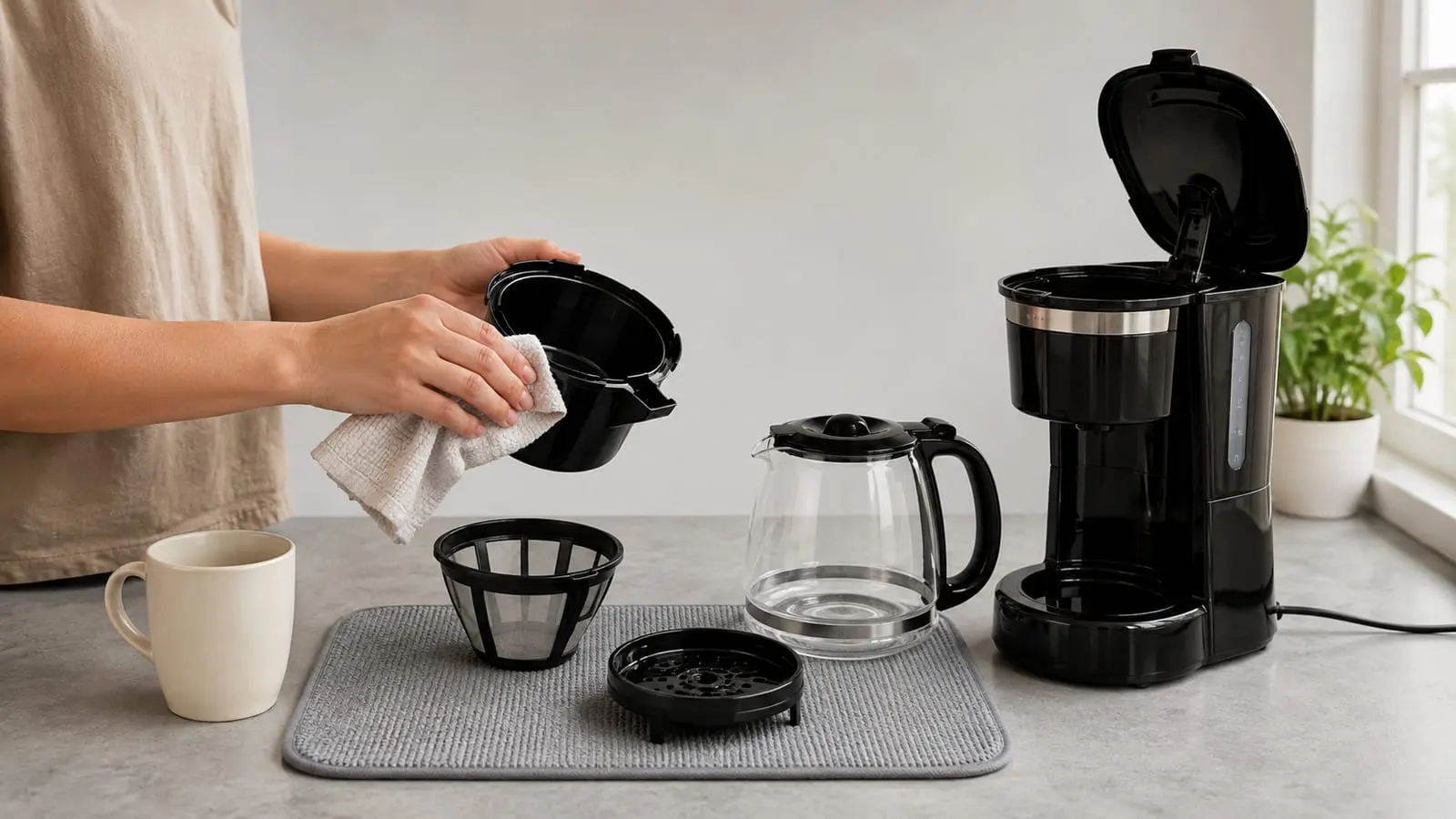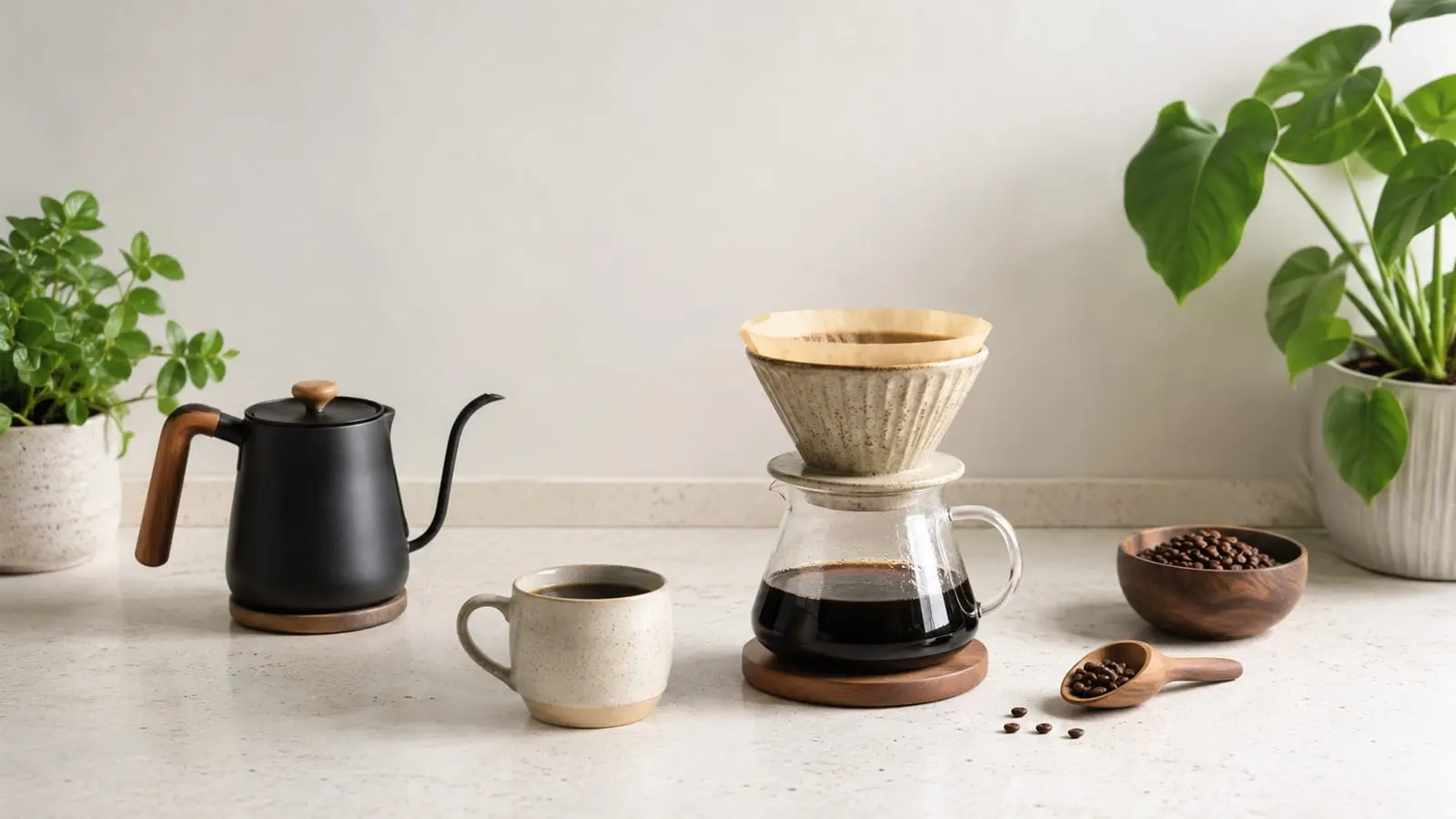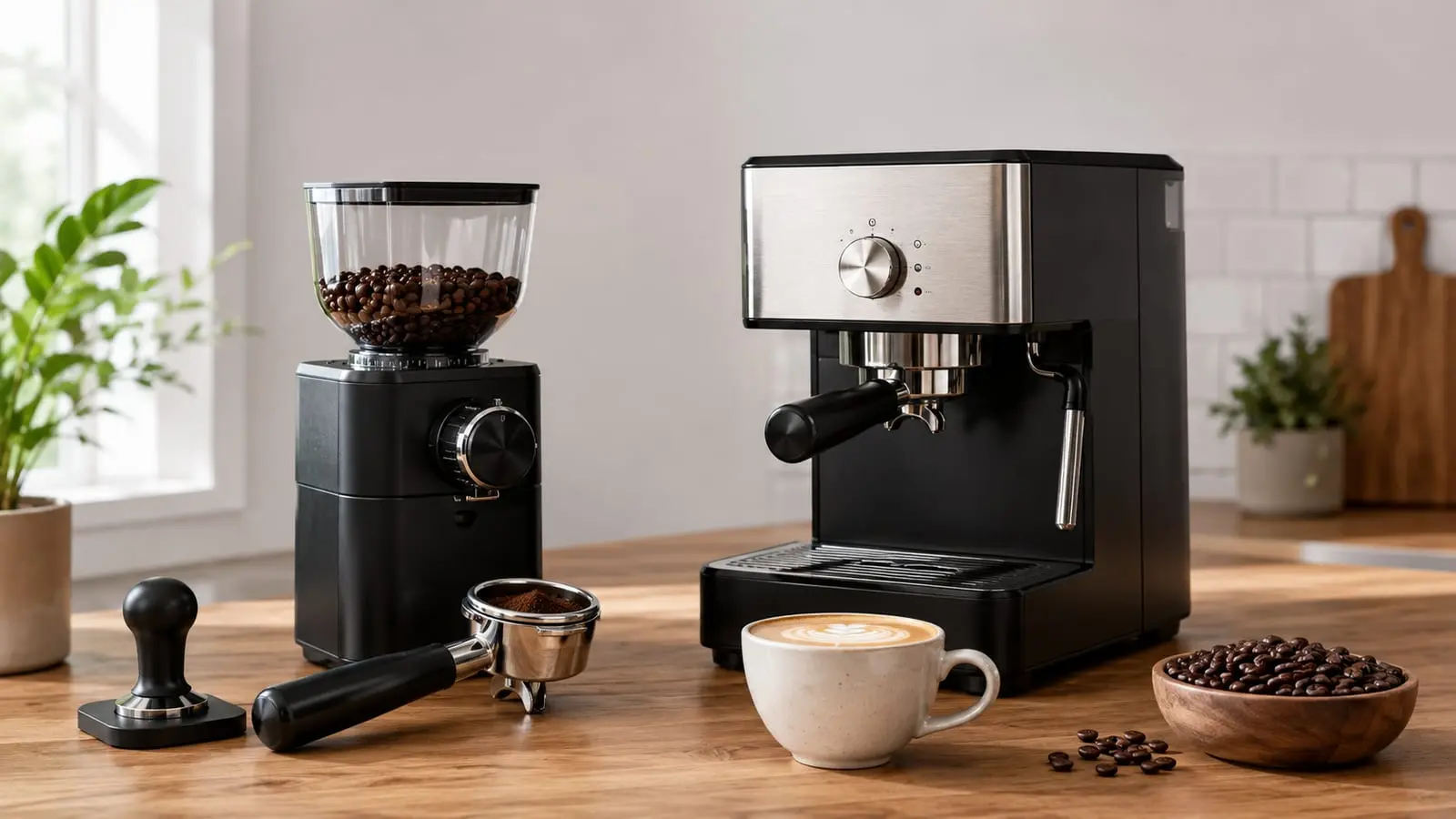

The best coffee décor earns its counter space. A dresser coffee bar, rolling cart, open shelves, mug hooks, a chalkboard wall, a built-in pantry zone, a small apartment shelf, and a taste-and-adjust brew board all make strong coffee-inspired home décor ideas. Start with furniture you already own, keep daily tools close, and display only mugs or artwork you genuinely like. Expensive machines and matching signs won’t rescue a cramped station with stale beans and nowhere to put the filters.
Last updated: 2026-08-10
What makes a coffee-inspired home décor idea worth using?
A coffee station should make brewing easier. You need room to measure, grind, pour, and wipe the surface without moving half the display first. If the décor blocks that workflow, it’s clutter wearing a cute label.
Keep coffee beans in an airtight container in a cool, dark location. Avoid cabinets near the oven or dishwasher, along with spots hit by strong afternoon sun. Clear jars look good, but sunlight and heat flatten coffee faster than most people expect.
A coffee station earns its space when it helps you brew and clean up with less fuss. Good looks matter, but the routine comes first.
Before buying furniture, list what you use every morning. Then store backup filters, extra mugs, and occasional tools somewhere else. Our guide to designing a home coffee bar covers the full setup process.
| What matters | The right move | The common wrong turn |
|---|---|---|
| Freshness | Use airtight storage away from heat and light | Leaving beans open in decorative jars |
| Workflow | Keep the grinder, brewer, and cups close | Spreading tools across the kitchen |
| Cleanup | Leave one clear working surface | Filling every inch with signs and plants |
| Display | Show a small, personal collection | Buying generic café props in bulk |
| Flexibility | Use shelves, trays, or movable furniture | Building around one machine forever |
The strongest focal point
The strongest focal point is usually a coordinated group, not one oversized coffee sign. Pair a useful surface with mugs, bean storage, warm lighting, and one piece of art. That gives the eye somewhere to land without turning the kitchen into a themed gift shop.
Choose one lead material or color. For example, warm wood can carry the station while white ceramics keep it calm. Meanwhile, black metal hooks can tie the grinder, shelf brackets, and picture frames together.
Coffee decoration ideas work best in layers:
- Furniture gives the station weight.
- Shelves and rails keep supplies visible.
- Mugs and canisters add color.
- Lighting makes measuring and cleanup easier.
- Artwork adds personality after the practical pieces are settled.
The 30 ideas, compared by space and effort

Use the comparison below to choose a setup that fits your room, equipment, and patience. Furniture gives you the most storage, while trays and shelves take less commitment.
Furniture-based stations

Furniture-based stations suit renters, busy kitchens, and anyone who doesn’t want new cabinetry. However, check the surface for wobble, water damage, and enough room to brew safely.
1. Repurposed dresser coffee bar
A sturdy dresser is the strongest all-around coffee station. The top gives you a broad brewing surface, while the drawers swallow filters, towels, scales, and spare cups.
Skip delicate antique pieces with warped tops or sticky drawers. Coffee drips, grinders vibrate, and morning hands aren’t gentle.
2. Vintage cabinet coffee bar
A vintage cabinet gives a small kitchen concealed storage without stripping away personality. Keep the daily brewer on top and hide bulk supplies behind the doors.
However, don’t confuse old with useful. A charming cabinet that rocks on the floor or smells musty will become a project, not a coffee bar.
3. Hutch mug display station
A hutch is the best choice for showing off mugs while keeping supplies organized below. Use the upper shelves for a tight mug edit, then place beans and tools in the lower cabinets.
Leave some empty space around each group. A shelf packed edge to edge reads as storage overflow.
4. Rolling coffee cart
A rolling cart works when the station needs to move between the kitchen, dining room, and patio. Use the top for brewing and reserve the lower shelves for cups and supplies.
The tradeoff is stability. Locking wheels and a solid top matter more than gold handles or a trendy frame.
5. Console table coffee bar
A slim console table creates a polished station along a narrow wall. It’s a smart fit for dining rooms and hallways where a dresser would feel heavy.
Still, the shallow top limits large machines and sprawling pour-over setups. Measure your actual equipment before buying the table.
Bookshelves and wall storage

Vertical storage frees the counter, but it also puts every messy bag and stained filter box on display. Use matching containers where they help. Don’t force every object into a staged color scheme.
6. Bookshelf coffee station
A bookshelf creates an affordable vertical coffee bar and turns your mug collection into décor. Keep everyday mugs near hand level, with backup beans and less-used tools higher or lower.
Use trays or baskets to stop small items from scattering across every shelf. Also, anchor tall furniture properly, especially in homes with children or pets.
Bookshelves work best for manual brewers and compact machines. A deep espresso setup can feel cramped, and steam may damage the shelf above it.
7. Open-shelf coffee supply wall
Open shelves keep beans, filters, and cups visible, so the daily routine moves faster. Group supplies by task rather than color: brewing tools together, cups together, and cleaning items together.
However, open storage collects dust and kitchen grease. If you hate wiping shelves, choose a cabinet.
8. Reclaimed wood coffee shelves
Reclaimed wood brings warmth and texture to a plain coffee corner. It works especially well against white tile, painted brick, or a flat neutral wall.
Seal the surface before using it near coffee and water. Rough, unfinished boards catch dust and make spills harder to clean.
9. Floating shelves with mug hooks
Floating shelves with hooks use wall space well and keep favorite mugs close. Put lighter items above and hang sturdy everyday cups below.
Check that each hook suits the mug handle. Also, mount the shelf into proper support rather than trusting light-duty wall hardware with a full ceramic collection.
10. Industrial pipe shelf station
Pipe shelving fits an industrial kitchen and holds mugs, jars, and brewing supplies without looking flimsy. Black metal works best when the room already has matching lights, handles, or frames.
Skip it in a soft, traditional kitchen unless you want the shelf to dominate. The hardware has a strong visual weight.
Chalkboards and artwork
Walls can hold useful information as well as decoration. Brew notes, bean names, and tasting reminders have more value than another wooden sign telling you coffee exists.
11. Chalkboard coffee bar wall
A chalkboard wall adds character and gives you space for brew notes, menus, or a rotating message. Write down the ratio, grind setting, and result when you dial in a new bag.
Use chalk sparingly. A wall crowded with loops, arrows, and fake café prices becomes hard to read and harder to clean.
12. Coffee-themed gallery wall
A restrained gallery of café signs, botanical prints, and brewing sketches adds coffee character without feeling forced. Mix image sizes, but keep the frame colors or subject matter connected.
For the bottom row of mismatched pictures above furniture, leave at least 6 inches. That gap stops the display from pressing down on the station.
One coffee photograph can also carry the wall. These coffee photography tips help if you’d rather hang your own image than buy generic art.
Built-in kitchen stations

A kitchen station needs a sensible route from storage to water, power, brewing, and cleanup. Plan that route before choosing tile or cabinet hardware.
13. Kitchen appliance garage
An appliance garage keeps the coffee maker accessible and hides visual clutter after brewing. It suits kitchens where clear counters matter more than displaying equipment.
However, heat and steam need somewhere to go. Pull the machine forward or leave the door open while brewing if the cabinet design traps moisture.
14. Built-in kitchen coffee station
A built-in station is the cleanest long-term choice when cabinetry can follow your coffee workflow. Plan space for the brewer, grinder, cups, beans, waste, water, and electrical outlets.
This is also the least flexible option. A tight machine cubby becomes useless if your next brewer is taller, wider, or needs more ventilation.
15. Pantry coffee zone
A pantry zone keeps counters clear and holds backup beans, filters, and syrups in one place. Use the front of the shelf for daily supplies and push sealed backups behind them.
Check light and heat before storing beans there. Airtight and cool storage protects flavor; a warm pantry beside an appliance does not.
Small-space setups

Small coffee bars succeed through discipline. Keep one brewer, one grinder, and the mugs you actually use. The backup equipment can live elsewhere.
16. Corner coffee nook
An unused corner can become a complete station with a narrow surface, shelves, and focused lighting. Corner setups work because they claim space that often does nothing.
Still, avoid deep triangular shelves. Things disappear at the back, and wiping around them is a nuisance.
17. Under-stair coffee bar
The space beneath stairs can hold a compact station that feels built in. Low cabinets fit the awkward slope, while the taller end can house the brewer and mugs.
Check headroom, power, and airflow before committing. If you have to crouch to pour, the clever location isn’t clever anymore.
18. Breakfast nook coffee bar
Placing coffee near a breakfast nook creates a natural morning routine without taking another room. A slim sideboard can hold the brewer while cups and napkins stay close to the table.
This setup also works well for serving cappuccinos or pastries to guests. If milk drinks are your usual order, learn a reliable homemade cappuccino method before buying decorative extras.
19. Small apartment coffee shelf
A single wall shelf can handle the essentials when floor space is scarce. Add a tray below for the brewer, then store mugs and beans above.
Keep the setup strict. A shelf sagging under novelty cups and unopened syrup bottles makes a small room feel smaller.
20. Hidden closet coffee bar
A shallow closet can hide a full coffee station and close away clutter. Add shelves for cups and supplies, then use the main surface for brewing.
However, enclosed spaces trap steam, heat, and smells. Keep the doors open while brewing and don’t store coats or linens beside the machine.
Materials and color palettes

Materials should match the room before they match a café fantasy. Coffee already brings deep brown, cream, black, and warm metal tones. You don’t need to paint everything mocha to make the idea clear.
21. Minimalist white coffee bar
A restrained white palette keeps the station bright and lets mugs, beans, and brewers supply the contrast. It works well in small kitchens because the setup feels lighter.
White also shows every coffee splash. Choose wipeable finishes, and keep a cloth nearby rather than pretending drips won’t happen.
22. Warm wood and brass coffee bar
Wood and brass create a welcoming café mood without relying on costly equipment. Use wood for the main surface, then repeat brass through handles, a lamp, or a small tray.
Don’t cover every object in metallic paint. A few warm accents feel deliberate; a whole row of shiny accessories looks staged.
Containers and working tools
Daily tools make better decoration than fake coffee sacks and oversized word art. They also justify the space they take.
23. Coffee bean jar display
Clear labeled jars make beans and brewing staples easy to see. For coffee, choose an airtight container and keep it in a dark, cool place rather than beside a sunny window.
Also, don’t open several bags just to create a prettier row. Beans taste better when you finish one fresh bag before starting another.
24. Coffee scoop and tool rail
A wall rail gives scoops, brushes, towels, and small tools a defined home. It also makes resetting the station faster because every piece has an obvious place.
Hang only tools you use often. A rail crowded with spare whisks and decorative spoons becomes kitchen junk on display.
25. Ceramic mug collection display
A curated mug collection makes the station personal while keeping favorites accessible. Mix handmade pieces, travel mugs, and simple everyday cups, but give the group one link such as color or shape.
Rotate the collection if you own too many to show neatly. You’ll notice forgotten mugs again without burying the shelf.
26. Color-coded coffee canisters
Color-coded canisters make beans, filters, tea, and sweeteners easy to identify. They add order without demanding that every mug and machine match.
Labels still matter. Similar-looking powders and decaf beans are hard to tell apart during a half-awake morning.
Lighting and placement

Good placement cuts unnecessary movement. Good lighting stops you from guessing at measurements before sunrise. Both matter more than another framed slogan.
27. Coffee station with under-cabinet lighting
Under-cabinet lighting improves visibility while you measure, grind, and clean. A warm light also softens a station surrounded by hard tile and metal.
Position the light so your hands don’t cast a shadow over the scale. Also, keep cords and switches clear of drips.
28. Window-side coffee nook
A window-side station creates a pleasant morning destination and gives the area natural light. It’s especially good for a small table, manual brewer, and one comfortable chair.
However, strong afternoon sun and heat are bad for stored coffee. Keep beans in airtight storage away from the window, even if a glass jar looks good there.
29. Coffee-themed serving tray
A dedicated tray is the simplest low-commitment idea in the list. It groups beans, cups, spoons, and a small brewer, then moves when you need the counter.
Choose a tray with raised edges and a surface you can wipe. Woven trays look warm, but loose grounds settle into every gap.
Taste-and-adjust décor
The most useful coffee décor tells you what worked last time. That means recording ratios, grind changes, and tasting notes instead of filling the wall with vague quotes.
30. Taste-and-adjust brew board
A small brew board gives you a place to record your usual ratio, grind setting, bean, and result. If the cup tastes thin or sour, note the change you made. If it turns heavy or bitter, back off a click and write that down too.
Use a chalkboard, magnetic board, or framed wipe-clean sheet. Keep the notes short enough to scan while the kettle heats.
These 30 coffee-inspired home décor ideas work because they support the coffee rather than competing with it. Fresh beans, careful ratios, and a willingness to taste and adjust will improve your mornings more than a costly display ever will.
FAQ
Can I make a coffee station in a rental without drilling holes?
Yes. Use a console table, dresser, bookshelf, or rolling cart, then add removable hooks and a freestanding mug rack. Keep heavy mugs off adhesive hooks unless the product is rated for the load and the wall finish can handle removal.
How do I stop a coffee bar from looking cluttered?
Limit the counter to the tools used for your normal brew. Put backups, unopened bags, cleaning products, and occasional serving pieces behind doors or in labeled baskets. A clear patch of work surface makes the whole station look calmer.
What should I do with used coffee grounds?
Coffee grounds and paper filters are nitrogen-rich green materials for a backyard compost pile. Mix them with dry brown material rather than dumping them into one wet clump. Finished compost aims for roughly 30:1 elemental carbon to nitrogen, so coffee waste needs balance from leaves, cardboard, or similar dry matter.
Is coffee-themed décor suitable outside the kitchen?
Yes, especially in a dining room, home office, breakfast nook, or covered entertaining area. Use a movable tray or cart where access to water and cleanup is limited. Skip active brewing in bedrooms or carpeted corners where spills and steam become harder to manage.